GLP-1 pills are a real, FDA-approved option for type 2 diabetes — but only one product currently qualifies. Rybelsus, the oral form of semaglutide, was approved by the FDA in 2019 and remains the only GLP-1 agonist you can take as a tablet. It works the same way as the injectable class, with similar benefits and side effects, but requires strict fasting dosing to be absorbed. Here is what to know about how GLP-1 pills work, how effective they are, and what the label says.
What GLP-1 Pills Are
GLP-1 (glucagon-like peptide-1) receptor agonists mimic a natural gut hormone that slows gastric emptying, improves insulin response to meals, suppresses glucagon, and reduces appetite. Most drugs in this class are injectable because peptide molecules are destroyed by stomach acid and digestive enzymes. Rybelsus solves that problem by combining semaglutide with an absorption enhancer called SNAC (sodium N-[8-(2-hydroxybenzoyl) amino] caprylate), which allows enough semaglutide to cross the stomach lining to reach therapeutic blood levels.
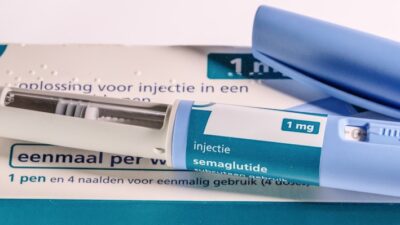
The same molecule used in the weekly Ozempic injection is used in Rybelsus tablets, just delivered differently and taken daily.
FDA-Approved GLP-1 Pills and Doses
| Product | Active Ingredient | Available Strengths | FDA Indication |
|---|---|---|---|
| Rybelsus | Oral semaglutide | 3 mg, 7 mg, 14 mg daily | Type 2 diabetes in adults |
The 3 mg dose is for the first 30 days to build tolerance and is not considered a therapeutic dose. After that, the prescriber steps up to 7 mg; if A1C targets are not met after another 30 days, the dose can be increased to the maximum 14 mg. No other GLP-1 pill is currently FDA-approved.
How to Take Rybelsus Correctly
Because SNAC absorption is easily disrupted, dosing instructions are strict:
- Take the tablet in the morning on an empty stomach
- Swallow whole with no more than 4 ounces of plain water — not coffee, tea, juice, or milk
- Do not split, crush, or chew the tablet
- Wait at least 30 minutes before eating, drinking anything other than water, or taking other oral medications
- If you miss a dose, skip it — do not double up
People who skip the fasting window often find the drug doesn’t work as well; that’s not a failure of the molecule, it’s a failure of absorption.
Benefits Shown in Clinical Trials
The NIDDK and the 2024 ADA Standards of Care summarize the evidence:
- A1C reduction: 1.0-1.4% at the 14 mg dose over 26 weeks
- Weight loss: 3-5 kg on average — less than injectable semaglutide, but meaningful
- Cardiovascular outcomes: The PIONEER 6 trial in adults with type 2 diabetes and high CV risk showed noninferiority for major adverse cardiovascular events; further trials are ongoing
- Convenience: Needle-free alternative for people who cannot tolerate or access weekly injections
Common and Serious Side Effects
Because the active ingredient is the same as injectable semaglutide, the side-effect profile is essentially identical:
- Nausea (reported by 11-20% depending on dose)
- Diarrhea, vomiting, constipation, abdominal pain
- Decreased appetite
- Headache and fatigue during titration
Rare but serious warnings on the label include:
- Boxed warning for thyroid C-cell tumors (rodent data); contraindicated with personal or family history of MTC or MEN 2
- Acute pancreatitis
- Gallbladder disease
- Acute kidney injury from dehydration
- Hypoglycemia when combined with insulin or sulfonylureas
- Diabetic retinopathy progression
- Serious allergic reactions
Beware of “GLP-1” Supplements
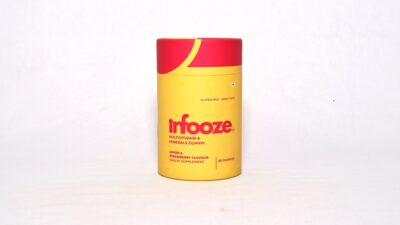
Products marketed online as “natural GLP-1 pills” or “OTC GLP-1 boosters” are not FDA-approved GLP-1 receptor agonists. They are typically combinations of fiber, berberine, or other supplements that may have modest glucose effects but are not equivalent to prescription semaglutide. Be skeptical of weight-loss marketing that uses the GLP-1 name without a prescription label.
Where GLP-1 Pills Fit in a Plan
For type 2 diabetes, Rybelsus is typically considered after metformin, similar to injectable GLP-1 drugs. It is not approved for prediabetes or for weight management alone. Lifestyle-based treatment remains first-line, and prediabetes is often reversible through diet, physical activity, and modest weight loss without medication.
The Bottom Line
Today’s only FDA-approved GLP-1 pill is Rybelsus, the oral form of semaglutide for type 2 diabetes. It works on the same receptor, produces similar (if slightly smaller) benefits compared with the injection, carries the same class warnings, and requires strict empty-stomach dosing to absorb properly. If you prefer a pill to a needle and your clinician agrees it fits your diabetes plan, it is a legitimate option — but no over-the-counter product is an equivalent substitute. Always work with a qualified clinician.
This article is educational and does not replace personalized medical advice.