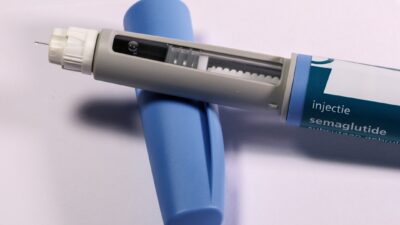
How much is tirzepatide? Cash list prices run about 1,000 to 1,200 dollars per month for Mounjaro and roughly 1,000 to 1,100 dollars for Zepbound, before insurance or discounts. Most people pay less through manufacturer savings cards or insurance, with out-of-pocket costs ranging from 25 dollars to the full list price depending on coverage. This is an informational overview, not an endorsement of any particular savings route.
Branded Tirzepatide: Two Products, One Molecule
Eli Lilly markets tirzepatide under two brand names. Mounjaro is FDA-approved for type 2 diabetes; Zepbound is approved for chronic weight management and obstructive sleep apnea in adults with obesity. Both contain the same active ingredient at the same six dose levels, but their prices and insurance pathways differ because they are treated as distinct products for formulary purposes.
For context on where tirzepatide fits within the overall treatment landscape, and how it layers with nutrition and lifestyle foundations, see our related hubs.
Current Price Landscape
| Payment Route | Mounjaro (monthly) | Zepbound (monthly) |
|---|---|---|
| List price (no insurance) | ~1,069 dollars | ~1,059 dollars |
| GoodRx / discount card | ~1,000 to 1,100 dollars | ~1,000 to 1,080 dollars |
| Manufacturer savings (covered by insurance) | As low as 25 dollars | As low as 25 dollars |
| Manufacturer savings (commercial, not covered) | Up to 573 dollars | Up to 650 dollars |
| Self-pay vials via LillyDirect (Zepbound) | Not applicable | 399 to 799 dollars depending on dose |
| Medicare / Medicaid | Varies; Part D coverage for diabetes | Usually no coverage for weight management |
Prices listed here are illustrative of 2026 conditions and can shift month to month. Always confirm with your pharmacy and insurer before making decisions.
How Insurance Coverage Typically Works
Commercial plans commonly cover Mounjaro for people with a type 2 diabetes diagnosis, usually with prior authorization that may require evidence of metformin use or specific A1C thresholds. Zepbound coverage varies widely; according to the Kaiser Family Foundation, Medicare Part D does not cover drugs used primarily for weight loss, though recent policy proposals have discussed expanding coverage in specific circumstances.
Medicaid coverage depends on the state. Employer self-funded plans vary dramatically — some cover Zepbound fully; others exclude anti-obesity medications altogether. Reviewing your plan documents or calling member services is usually necessary to get a definitive answer.
Manufacturer Savings Programs
Lilly runs savings programs for both brands. For commercially insured patients whose plan covers Mounjaro or Zepbound, the card can reduce out-of-pocket cost to as little as 25 dollars for a one-month supply, with annual caps. For commercially insured patients whose plan does not cover the drug, the savings card reduces the cost from list to several hundred dollars. Patients with Medicare, Medicaid, or other government insurance are generally not eligible for manufacturer savings.
LillyDirect Self-Pay Option
In 2024, Lilly introduced direct-to-consumer vials of Zepbound at lower prices than the pens: 399 dollars for the 2.5 mg dose and rising with each dose step. The vials require drawing with a syringe and are positioned as a cheaper on-label alternative for self-pay patients. The FDA-approved pens remain available through pharmacies at list price.
Compounded Alternatives and the Shortage Context
During the 2023 to 2024 shortage, compounded tirzepatide became widely available at lower prices — often 200 to 500 dollars per month. The FDA has since removed tirzepatide from its shortage list, narrowing the legal window for compounded versions. The agency has also warned repeatedly about dosing errors and impurity concerns with compounded GLP-1 products.
Hidden and Indirect Costs
- Lab monitoring — periodic A1C, kidney function, and sometimes lipase.
- Clinician visits — prior authorization renewals and titration check-ins.
- Sharps disposal and alcohol pads for injection hygiene.
- Nutrition counseling to protect lean mass during weight loss.
- Potential switch costs if a different GLP-1 is needed later.
Questions to Bring to a Pricing Conversation
- Which tirzepatide product does my insurance cover, and at what copay tier?
- Am I eligible for the Lilly savings card, and if so at which reduction level?
- Does my pharmacy stock both pens and self-pay vials?
- Would switching to semaglutide be cheaper given my coverage?
- If I lose coverage mid-year, what is my backup plan?
The Bottom Line
How much is tirzepatide depends less on the sticker price than on your insurance, savings-card eligibility, and which product (Mounjaro, Zepbound, or a compounded alternative) applies. The clinical decision to start, stay on, or stop tirzepatide should be driven by your prescriber’s assessment of benefits and risks, with cost considerations informing — but not replacing — that clinical judgment. Price-check with your pharmacy and insurer before each refill, because this market moves quickly.