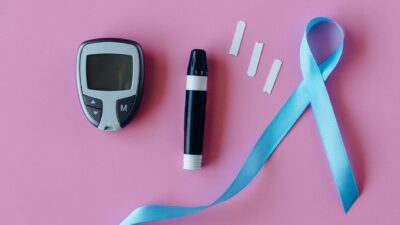
Insulin during pregnancy is the gold-standard treatment for hyperglycemia not controlled by medical nutrition therapy alone. Because insulin doesn’t cross the placenta in clinically meaningful amounts, it has the longest safety record across all three trimesters. Best-studied options include NPH, regular insulin, aspart, lispro, detemir, and glargine. Doses change dramatically by trimester and drop sharply after delivery. Continuous glucose monitoring is increasingly standard.
When Insulin Is Indicated in Pregnancy
- Pre-existing type 1 diabetes (always)
- Pre-existing type 2 diabetes when non-insulin agents aren’t sufficient or aren’t pregnancy-compatible
- Gestational diabetes (GDM) when diet and lifestyle don’t achieve glucose targets — typically defined as more than one elevated reading per week or persistent pattern of highs
- Severe hyperglycemia at any point in pregnancy (random glucose >200 mg/dL, fasting >120 mg/dL)
- Diabetic ketoacidosis (DKA) regardless of underlying diabetes type
Insulins With Pregnancy Safety Data
| Insulin | Type | Pregnancy Data |
|---|---|---|
| Regular human insulin | Short-acting | Extensive; historically the bolus standard before analogs |
| NPH (isophane) | Intermediate basal | Extensive; historically the basal standard |
| Lispro (Humalog) | Rapid-acting analog | Strong observational data; widely used |
| Aspart (Novolog) | Rapid-acting analog | Strong observational and trial data; widely used |
| Detemir (Levemir) | Long-acting basal analog | RCT data supporting safety and efficacy |
| Glargine (Lantus, Basaglar) | Long-acting basal analog | Observational data supports safety; commonly used |
| Glulisine (Apidra) | Rapid-acting analog | Limited human pregnancy data; generally avoided |
| Degludec (Tresiba) | Ultra-long-acting basal | Limited human pregnancy data; emerging studies |
| Afrezza (inhaled) | Inhaled rapid | No pregnancy data; avoid |
How Insulin Needs Change Across Trimesters
| Trimester | Typical Change | Driver |
|---|---|---|
| Weeks 6 to 12 | Decrease 10 to 20% (especially T1D) | Nausea, fetal glucose use, early hCG effects |
| Weeks 13 to 16 | Stable to mild rise | Transition; placenta starting hormonal output |
| Weeks 17 to 28 | Steady rise of 20 to 50% | Placental lactogen, cortisol, progesterone |
| Weeks 29 to 36 | Continues rising — total 50 to 100% above pre-pregnancy | Peak placental hormone output |
| Weeks 37 to 40 | Plateau or modest decline | Placental maturation slowing |
| Within 48 hours postpartum | 50 to 70% reduction | Placental hormones eliminated |
Pregnancy Glucose Targets
The American Diabetes Association and ACOG recommend tight targets across diabetes types in pregnancy:
- Fasting glucose: less than 95 mg/dL
- One-hour postprandial: less than 140 mg/dL
- Two-hour postprandial: less than 120 mg/dL
- A1C goal (if measured): less than 6 percent without significant hypoglycemia
- CGM time-in-range (63 to 140 mg/dL): greater than 70 percent
- CGM time below 63 mg/dL: less than 4 percent
A1C is less reliable in pregnancy due to faster red blood cell turnover; many clinicians rely more on capillary glucose patterns and CGM data.
Basal-Bolus Dosing in Pregnancy
Most pregnant women with type 1 or type 2 diabetes on insulin use a basal-bolus regimen:
- Basal insulin (NPH, detemir, glargine): provides background insulin coverage between meals and overnight. Often given once or twice daily.
- Bolus insulin (lispro, aspart, regular): given before each meal based on carbohydrate count and current glucose.
- Correction doses: small additional insulin for elevated readings between meals.
- Insulin-to-carbohydrate ratio: typically more aggressive (more insulin per gram of carbs) in the second and third trimesters as resistance climbs.
Starting Insulin for Gestational Diabetes
Most women with GDM achieve glucose targets with medical nutrition therapy alone. About 20 to 30 percent need pharmacologic treatment, usually insulin (or metformin, depending on local practice and patient preference). Typical starting approach:
- Identify the pattern — fasting highs only, postprandial highs only, or both.
- Fasting highs: NPH or detemir at bedtime, starting around 0.1 to 0.2 units/kg.
- Post-meal highs: rapid-acting analog before each affected meal, starting around 2 to 4 units.
- Mixed pattern: full basal-bolus regimen.
- Titrate every 3 to 7 days based on glucose logs.
Insulin Pumps and CGM in Pregnancy
The CONCEPTT trial (Feig 2017) demonstrated that continuous glucose monitoring during pregnancy in women with type 1 diabetes improved infant outcomes — reducing large-for-gestational-age babies, neonatal hypoglycemia, and NICU admissions. CGM is now considered standard of care in most type 1 pregnancies and increasingly common in type 2 and gestational diabetes.
Hybrid closed-loop pump systems (automated insulin delivery) are not yet FDA-approved for use in pregnancy, but several have been studied with promising results. Many endocrinology teams use them off-label with explicit informed consent.
DKA Prevention in Pregnancy
Diabetic ketoacidosis is more dangerous in pregnancy because it can develop faster, at lower glucose levels (euglycemic DKA, especially in T1D pregnancies), and carries roughly 9 to 35 percent fetal mortality.
- Check ketones (urine or blood) for glucose readings sustained above 190 mg/dL, not the 240 used in nonpregnant adults.
- Always check ketones with vomiting, fever, infection, or pump failure.
- Don’t omit basal insulin when sick — adjust, but don’t stop.
- Carry a sick-day plan with specific actions for nausea, infection, and elevated ketones.
- Pump users need a backup insulin pen for pump failures.
Side Effects of Insulin in Pregnancy
- Hypoglycemia — the most common side effect; risk peaks early pregnancy and immediately postpartum
- Weight gain — typically modest beyond normal pregnancy gain
- Injection site reactions — redness, soreness, occasional lipohypertrophy
- Allergy — rare with modern human or analog insulins
- Glycemic variability that some women find emotionally taxing
Around Delivery
| Phase | Insulin Approach |
|---|---|
| Onset of labor | Hold long-acting if planned; switch to IV insulin/dextrose infusion |
| Active labor | Target glucose 70 to 110 mg/dL via continuous IV insulin protocol |
| Delivery | Stop IV insulin or reduce sharply at placental delivery |
| First 24 hours postpartum | 50% of pre-pregnancy or third-trimester dose, whichever is lower |
| Day 2 to 7 | Titrate as feeding establishes |
| Weeks 2 to 6 | Settle near pre-pregnancy doses; lower if breastfeeding |
Insulin Storage and Travel
- Unopened vials and pens: refrigerated (36 to 46°F)
- In-use vials and pens: room temperature up to 28 to 56 days depending on product
- Avoid freezing — discard any insulin that has frozen
- Travel: keep insulin cool with cooling pouches; never check insulin in cargo (freezing risk)
- Carry doctor’s letter for airport security with pump and supplies
Related Reading
For more on related topics, see postpartum diabetes care, gestational diabetes blood sugar goals, pregnancy with type 1 diabetes, and our A1C levels guide.
The Bottom Line
Insulin during pregnancy is the gold standard for treating hyperglycemia not controlled by diet alone. NPH, regular, aspart, lispro, detemir, and glargine all have substantial safety data; degludec, glulisine, and inhaled insulin lack robust pregnancy data and are usually avoided. Doses change predictably across trimesters — often dropping early, rising 50 to 100 percent by the third trimester, and plummeting after delivery. Pregnancy-specific glucose targets (fasting under 95, post-meal under 140 at 1 hour) require basal-bolus regimens and frequent monitoring. CGM use is increasing as standard; insulin pumps are commonly used. DKA prevention requires a lower ketone testing threshold of about 190 mg/dL. Talk to your obstetric and endocrine team about a regimen that fits your diabetes type, pregnancy stage, and feeding plans.