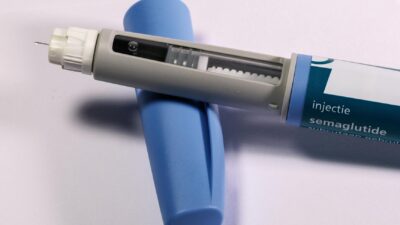
Insulin function is simple to state and complex to appreciate: insulin is the hormone that lets your cells take up glucose from the bloodstream. Without insulin working properly, blood sugar rises and the body’s cells struggle to get fuel. Understanding insulin function explains why conditions like prediabetes and type 2 diabetes develop, and why treatments focus on restoring that balance.
Where Insulin Comes From and What It Does
Insulin is made by beta cells in the pancreas, a gland sitting behind the stomach. When you eat, carbohydrates break down into glucose and enter the bloodstream. Rising blood glucose signals the pancreas to release insulin. Insulin travels to muscle, liver, and fat cells and binds to receptors on their surface. That binding tells the cells to pull glucose in.
Once inside, glucose is used immediately for energy or stored for later. Muscles and the liver store glucose as glycogen. Fat cells convert excess glucose into fatty acids for longer-term storage. Insulin also signals the liver to stop releasing its own stored glucose, keeping blood sugar from overshooting. Together, these actions keep fasting and post-meal glucose within a narrow healthy range.
What Happens When Insulin Function Fails
Two major failures can occur. In type 1 diabetes, the immune system destroys the beta cells, so insulin production drops sharply or stops. People with type 1 diabetes need prescription insulin to live. In type 2 diabetes, cells become less responsive to insulin, a state called insulin resistance. The pancreas compensates by making more insulin. Over years, if the pancreas cannot keep up, blood glucose rises into the diabetes range.
Prediabetes is the intermediate stage in which insulin resistance has developed but blood glucose has not yet reached diabetes thresholds. Most people with prediabetes have no symptoms; the condition is usually detected through an A1C test or fasting glucose test.
Insulin Function at a Glance
| State | Insulin Level | Cellular Response | Typical Blood Glucose |
|---|---|---|---|
| Healthy | Normal after meals | Cells efficiently take up glucose | Fasting under 100 mg/dL |
| Insulin resistance | Higher than normal | Cells respond sluggishly | May still be normal or slightly elevated |
| Prediabetes | Often elevated | Diminished response | Fasting 100 to 125 mg/dL; A1C 5.7 to 6.4% |
| Type 2 diabetes | Variable; may decline over time | Significantly reduced | Fasting 126 mg/dL or higher; A1C 6.5% or higher |
| Type 1 diabetes | Very low or absent | No native insulin response | Requires prescription insulin |
Why Insulin Function Matters Beyond Blood Sugar
Insulin is not only a glucose manager. It also regulates fat storage, protein synthesis, and growth. Chronic high insulin levels, which accompany insulin resistance, are associated with higher blood pressure, abnormal cholesterol, fatty liver, and weight gain around the midsection. This cluster is sometimes called metabolic syndrome, and it raises the risk of heart disease and stroke.
For that reason, improving insulin function through diet and nutrition changes and activity does more than lower A1C. It tends to improve weight, blood pressure, and cholesterol at the same time.
How to Support Healthy Insulin Function
Decades of research, including the NIH-funded Diabetes Prevention Program, show that several lifestyle levers can improve insulin sensitivity:
- Weight loss. Losing 5 to 7 percent of body weight improved insulin action substantially in DPP participants with prediabetes.
- Physical activity. Muscles use glucose during and after exercise, making cells more responsive to insulin for hours.
- Balanced meals. Plates built around non-starchy vegetables, lean protein, and whole grains tend to moderate post-meal glucose compared with refined-carbohydrate heavy meals.
- Adequate sleep. Short sleep has been linked to higher insulin resistance, even in otherwise healthy adults.
Medications, including metformin and in some cases GLP-1 receptor agonists, may be added under a clinician’s guidance when lifestyle changes are not enough. For most people with prediabetes, the first-line approach is still behavioral.
Prescription Insulin: A Separate Topic
Prescription insulin is a life-saving therapy for people with type 1 diabetes and some people with advanced type 2 diabetes. Modern insulin products mimic the structure of natural human insulin and come in rapid-acting, short-acting, intermediate, and long-acting forms. They are almost never the first-line treatment for prediabetes. That level of decision-making belongs firmly with an endocrinologist or primary care clinician who understands the full clinical picture.
The Bottom Line
Insulin’s core function is to let cells absorb glucose from the bloodstream, keeping blood sugar stable and fueling the body. Healthy insulin function underpins metabolic health; impaired function drives prediabetes and type 2 diabetes. Lifestyle changes remain the most studied way to improve insulin sensitivity, and any conversation about insulin as a medication belongs with a clinician who can evaluate your individual needs.
Medical disclaimer: This article is for educational purposes only and does not replace medical advice. Always consult a qualified healthcare provider for diagnosis or treatment decisions.