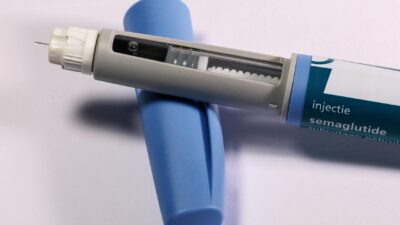
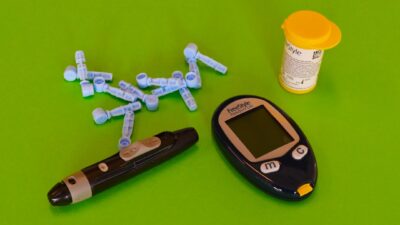
Insulin medication is a hormone replacement therapy that helps your body move glucose from the bloodstream into cells. It comes in several categories based on how quickly it starts working and how long it lasts: rapid-acting, short-acting (regular), intermediate-acting, long-acting, and ultra-long-acting, plus pre-mixed combinations. Your clinician chooses the type or combination based on diabetes type, daily routine, and blood sugar patterns.
Why Insulin Matters
The pancreas normally releases a steady trickle of insulin between meals (the basal supply) and larger pulses with each meal (bolus). In type 1 diabetes, the pancreas makes little or no insulin. In advanced type 2 diabetes, insulin production declines while insulin resistance persists. Injected insulin mimics both the basal and bolus patterns.
Understanding how insulin works alongside other diabetes therapies starts with the broader diabetes treatment landscape.
Five Main Categories
| Category | Examples | Onset | Peak | Duration |
|---|---|---|---|---|
| Ultra-rapid | Fiasp, Lyumjev | 2 to 5 min | 1 to 2 hr | 3 to 5 hr |
| Rapid-acting | Humalog, NovoLog, Apidra, Admelog | 10 to 15 min | 1 to 2 hr | 3 to 5 hr |
| Short-acting (regular) | Humulin R, Novolin R | 30 min | 2 to 4 hr | 6 to 8 hr |
| Intermediate (NPH) | Humulin N, Novolin N | 1 to 2 hr | 4 to 12 hr | 12 to 18 hr |
| Long-acting | Lantus, Basaglar, Levemir, Semglee | 1 to 2 hr | Minimal | 20 to 24 hr |
| Ultra-long-acting | Tresiba, Toujeo | 1 to 2 hr | Minimal | 36 to 42 hr |
Ultra-Rapid and Rapid Mealtime Insulins
These are taken just before (or shortly after) meals to cover the glucose rise from food. Ultra-rapid options (Fiasp and Lyumjev) add ingredients that speed absorption and start acting within 2 to 3 minutes. Standard rapid insulins kick in around 10 to 15 minutes. Both groups peak around 1 to 2 hours and wear off within 3 to 5 hours, matching most meals.
Short-Acting (Regular) Insulin
Regular insulin, sold as Humulin R and Novolin R, was the first mealtime insulin. It starts slower (30 minutes) and lasts longer (6 to 8 hours) than rapid-acting types, so it requires pre-meal timing. It remains common where cost is a major factor because older formulations are available without a prescription in many US states. A concentrated version (U-500) is reserved for people with severe insulin resistance who need large doses.
Intermediate-Acting (NPH)
NPH insulin (Humulin N, Novolin N) has a cloudy appearance because of added protamine that slows absorption. It peaks 4 to 12 hours after injection and lasts 12 to 18 hours. Typical use is twice daily, often mixed with regular or rapid-acting insulin. NPH is less expensive than analog basal insulins but has a more pronounced peak, which can increase hypoglycemia risk, especially overnight.
Long-Acting Basal Insulins
Long-acting analog insulins (insulin glargine in Lantus, Basaglar, Semglee; insulin detemir in Levemir) provide a flatter profile over roughly 20 to 24 hours. Most people take them once a day at the same time; some take Levemir twice daily. They have less pronounced peaks than NPH, which generally reduces overnight low risk.
Ultra-Long-Acting Basal Insulins
Insulin degludec (Tresiba) and concentrated glargine U-300 (Toujeo) last 36 to 42 hours, which gives more dosing flexibility if a dose is late by a few hours. Some people prefer them for shift work or irregular schedules. According to the NIDDK, the choice between long- and ultra-long-acting insulins depends on lifestyle and clinical response.
Pre-Mixed Insulins
Pre-mixed insulins combine a rapid or short-acting insulin with an intermediate insulin in one syringe or pen. Common formulations include 70/30 (NPH + regular) and 75/25 or 70/30 analog mixes (NPH-like component + rapid). They are usually dosed twice daily before breakfast and dinner. Pre-mixes simplify regimens but require more predictable meal patterns, since doses cannot be adjusted independently for basal versus bolus needs.
Regimen Types at a Glance
- Basal-bolus: long-acting insulin once a day + rapid-acting insulin with meals. Standard of care for type 1 and many advanced type 2 cases. Flexible but requires 4+ injections daily.
- Basal-only: one long-acting injection, often added to oral medications in type 2 diabetes.
- Pre-mixed twice daily: fewer injections, less flexibility.
- Pump therapy: a small device delivers rapid-acting insulin continuously plus meal boluses through a catheter.
- Hybrid closed-loop pumps: pump + continuous glucose monitor + algorithm that adjusts basal delivery automatically.
Delivery Methods
- Disposable pens: prefilled, discard when empty or after 28 days.
- Reusable pens: user loads a cartridge.
- Vials and syringes: lowest cost per unit, requires drawing up each dose.
- Insulin pumps: continuous subcutaneous infusion.
- Inhaled insulin (Afrezza): a dry powder inhaled at the start of meals; not for smokers or people with chronic lung disease.
Storage and Handling
| Product | Unopened (Fridge) | In-Use (Room Temp) |
|---|---|---|
| Most insulins | Until label expiration | 28 days typical |
| Tresiba pen | Until label expiration | 56 days |
| Toujeo pen | Until label expiration | 56 days |
| Frozen insulin | Discard | Discard |
Always check the product insert for your specific pen or vial, since in-use times vary.
Side Effects and Safety
The most common side effect is hypoglycemia (low blood sugar). Others include weight gain, injection-site irritation, and rarely lipohypertrophy (lumpy fat tissue at overused injection sites). Severe allergic reactions are uncommon but possible. Keep fast-acting glucose available and, for anyone on insulin or sulfonylureas, discuss whether a glucagon rescue kit is appropriate.
Rotate injection sites across the abdomen, thighs, upper arms, and buttocks. Use a fresh needle for each injection to reduce pain and infection risk.
How Dose Is Calculated
Starting basal doses are often estimated at 0.2 to 0.4 units per kilogram of body weight per day, split into basal (about half) and mealtime (the other half divided across meals). From there, clinicians refine using insulin-to-carb ratios and correction factors. For more on how blood sugar readings feed into dose adjustments, see our A1C levels guide.
Cost Considerations
Insulin costs have been a subject of national attention. The Inflation Reduction Act caps Medicare Part D insulin copays at $35 per month. Many manufacturers offer savings cards for commercially insured patients and patient assistance for the uninsured. Biosimilar insulins (Basaglar, Semglee, Admelog) are often less expensive than the originator products. Older insulins (regular and NPH) remain available at reduced prices through some retailers.
Questions to Ask Before Starting Insulin
- Which insulin type fits my schedule and meals?
- How and when do I check blood sugar?
- What are my blood sugar targets?
- How do I treat a low? Do I need glucagon?
- What side effects should prompt a call or emergency visit?
- What does this insulin cost under my coverage?
- How do I travel with insulin?
The Bottom Line
Insulin medication spans a family of products with different speeds and durations, and regimens can range from a single nightly basal injection to a fully automated pump. The best fit depends on your diabetes type, daily routine, and glucose patterns, and it often evolves over time. Work closely with your endocrinologist, primary care clinician, or diabetes educator to choose, adjust, and safely use the regimen that is right for you.