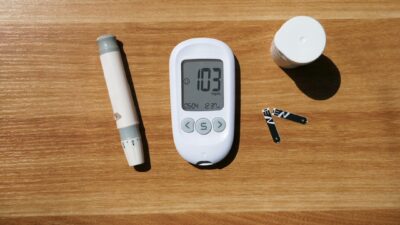
Insulin resistance and weight loss are tightly linked in both directions. Excess weight, especially around the abdomen, drives cells to respond poorly to insulin; and poor insulin response, in turn, promotes fat storage and makes weight loss harder. Breaking the loop is possible: losing just 5 to 7 percent of body weight meaningfully improves insulin sensitivity, and targeted habits accelerate the process even before the scale moves much.
How Insulin Resistance Develops
Insulin is the hormone that ushers glucose from the bloodstream into muscle, liver, and fat cells. When those cells become resistant, the pancreas compensates by producing more insulin. For years, this can keep blood sugar normal while driving up fasting insulin, promoting fat storage, and accelerating cardiometabolic risk. Eventually, the pancreas cannot keep pace, glucose rises, and prediabetes or type 2 diabetes develops.
Drivers include excess visceral fat, chronic inflammation, low muscle mass, short sleep, ultra-processed food patterns, and certain genetic backgrounds. Some medications — corticosteroids, atypical antipsychotics, and some hormonal therapies — also worsen insulin action.
The Bidirectional Cycle
Weight gain and insulin resistance feed each other. Higher insulin levels promote lipogenesis and inhibit lipolysis, making fat easier to store and harder to release. Enlarged adipocytes release inflammatory cytokines that worsen cell-level insulin signaling. Visceral fat in particular delivers free fatty acids directly to the liver, impairing hepatic insulin sensitivity and raising triglycerides. The harder the cycle runs, the more weight loss feels uphill. Breaking any link — through activity, sleep, food quality, or pharmacologic help — weakens the loop.
How Much Weight Loss Matters
| Weight Loss | Typical Metabolic Effect |
|---|---|
| 2-3% | Modest improvements in fasting glucose and triglycerides |
| 5-7% | Substantial improvement in insulin sensitivity; 58% reduction in progression to diabetes in DPP |
| 10-15% | Often reverses prediabetes; meaningful blood pressure and lipid gains |
| 15%+ | Possible remission of early type 2 diabetes in some individuals |
Lifestyle Strategies That Work
Four habits consistently improve insulin sensitivity regardless of weight change. Resistance training two to three times per week builds muscle, the body’s largest glucose sink. Aerobic activity of 150 minutes weekly (even in 10-minute chunks) improves mitochondrial function. Seven to nine hours of sleep normalizes cortisol and appetite hormones. A diet and nutrition plan that prioritizes protein, fiber, and minimally processed foods reduces insulin spikes while preserving muscle during weight loss.
Protein intake deserves special attention. During rapid weight loss, muscle is lost alongside fat unless protein stays high. Targets of 0.6 to 0.8 grams per pound of goal body weight, distributed across three to four meals, preserve lean mass and support resting metabolism.
When Medication Enters the Picture
Lifestyle change is first-line for improving insulin resistance. When it is insufficient — due to severe obesity, advancing A1C levels, or competing health problems — medications add leverage. Metformin, the most studied insulin sensitizer, is guideline-recommended for type 2 diabetes and sometimes for high-risk prediabetes. GLP-1 receptor agonists such as semaglutide and tirzepatide produce substantial weight loss and directly improve fasting glucose and insulin.
According to the American Diabetes Association, pharmacotherapy is a reasonable adjunct, not a replacement, for lifestyle intervention. A coordinated treatment plan combines food, activity, sleep, and medication.
Metrics Beyond the Scale
Scale weight is a lagging indicator. Waist circumference, fasting insulin, HOMA-IR, triglyceride-to-HDL ratio, and A1C all reflect insulin resistance and often change before the scale moves substantially. Tracking one or two of these every three months gives a clearer picture than weekly weigh-ins. A waist reduction of an inch or two, a fasting insulin drop from 18 to 10, or an A1C moving from 5.9 to 5.5 are meaningful wins even if total weight loss feels modest.
Common Traps That Stall Progress
- Chronic undersleep, which blunts both weight loss and insulin sensitivity.
- Liquid calories — juice, sweetened coffee drinks, alcohol — that spike insulin without satiety.
- Low protein intake, leading to disproportionate muscle loss.
- All-cardio, no-strength exercise routines that leave the glucose-sink underdeveloped.
- Stress eating cycles and all-or-nothing thinking that produce frequent restarts.
Realistic Timeline Expectations
Insulin sensitivity begins improving within days to weeks of consistent activity and better sleep, even before visible weight change. Measurable shifts in fasting insulin and triglycerides typically appear at four to eight weeks. Meaningful A1C change requires three months, reflecting the lifespan of red blood cells. Sustained loss of 5 to 10 percent body weight over six to twelve months is the evidence-based milestone for reversing prediabetes in most cases.
When to Seek Clinical Guidance
Consider a conversation with your clinician if your A1C is 5.7 or higher, fasting glucose is above 100, or if family history raises your diabetes risk. If lifestyle change has not moved markers after six months, or if BMI is above 30 (or 27 with a comorbidity), discuss whether medication fits. Polycystic ovary syndrome, gestational diabetes history, and certain ethnic backgrounds warrant earlier screening.
The Bottom Line
Insulin resistance and weight loss operate as a two-way street. A 5 to 10 percent loss of body weight dramatically improves insulin sensitivity, and steady activity, sleep, and protein-forward eating accelerate results even before the scale responds. Track markers beyond weight, consider medication when lifestyle alone is not enough, and work with a clinician to tailor the plan to your individual risk profile.
Medical disclaimer: This article is for informational purposes and is not a substitute for professional medical advice. Consult your healthcare provider before starting any new diet, exercise, or medication program.