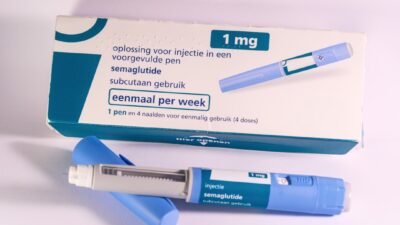
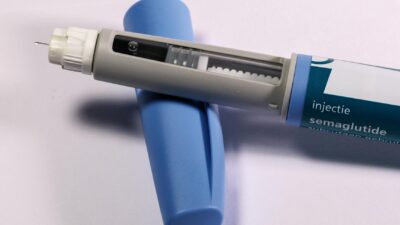
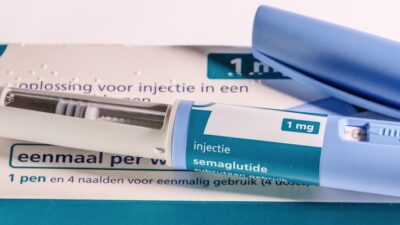
Insulin shots are subcutaneous injections of human or analog insulin that replace or supplement the hormone the body normally makes. They are essential in type 1 diabetes, commonly used in advanced type 2 diabetes, routine in gestational diabetes when diet alone is not enough, and sometimes needed for steroid-induced hyperglycemia. The main categories are rapid-acting, short-acting, intermediate-acting, long-acting, and premixed, each with a different onset, peak, and duration profile. Proper technique, site rotation, and dose titration under endocrine supervision are the three pillars of safe use.
When Insulin Shots Are Needed
- Type 1 diabetes: required from diagnosis — the pancreatic beta cells no longer produce insulin
- Type 2 diabetes: added when oral agents plus GLP-1 therapy cannot reach A1C targets, or in acute decompensation with glucose above 300 mg/dL
- Gestational diabetes: when diet and exercise cannot keep fasting glucose under 95 mg/dL or 1-hour postprandial under 140 mg/dL
- LADA (latent autoimmune diabetes in adults): insulin usually needed within months to a few years
- Steroid-induced hyperglycemia: temporary basal or mealtime insulin during prednisone courses
- Hospital DKA or HHS: IV insulin in hospital, then transition to subcutaneous on discharge
- Pancreatic surgery or pancreatitis with exocrine-endocrine insufficiency: permanent insulin replacement
The Main Categories of Insulin
| Category | Examples | Onset | Peak | Duration |
|---|---|---|---|---|
| Rapid-acting | Lispro (Humalog, Admelog), Aspart (NovoLog, Fiasp), Glulisine (Apidra) | 10–20 min | 1–2 hr | 3–5 hr |
| Short-acting (regular) | Humulin R, Novolin R | 30–60 min | 2–4 hr | 5–8 hr |
| Intermediate-acting | NPH (Humulin N, Novolin N) | 1–2 hr | 4–12 hr | 12–18 hr |
| Long-acting basal | Glargine (Lantus, Basaglar, Toujeo), Detemir (Levemir) | 1–2 hr | Minimal | 20–24 hr |
| Ultra-long-acting | Degludec (Tresiba), Glargine U-300 (Toujeo) | 30–90 min | None | 36–42 hr |
| Inhaled | Afrezza | 12 min | 30–45 min | ~3 hr |
| Premixed | Humalog Mix 75/25, NovoLog Mix 70/30, Humulin 70/30 | Varies | Dual peak | 14–18 hr |
Common Regimens
Basal Only (Type 2)
One long-acting injection at bedtime or morning. Starting dose typically 10 units or 0.1 to 0.2 units per kg body weight, titrated by 2 units every 3 days until fasting glucose is 80 to 130 mg/dL.
Basal Plus (Type 2 Step-Up)
Long-acting plus 1 mealtime rapid-acting injection at the largest meal. Later intensified to basal-bolus.
Basal-Bolus (Type 1 and Advanced Type 2)
One long-acting injection daily plus rapid-acting at each meal. Standard “MDI” (multiple daily injections) regimen; typically 4 shots per day. Meal doses are calculated using an insulin-to-carb ratio (commonly 1 unit per 10 to 15 g carbs, individualized) plus a correction factor for glucose above target.
Pump Therapy
Continuous subcutaneous insulin infusion (CSII) from a reservoir replaces all injections. Modern automated insulin delivery (AID) systems (Medtronic 780G, Tandem Control-IQ, Omnipod 5) automatically adjust basal rates using CGM data.
Injection Technique Step-by-Step
- Wash hands.
- Check the insulin — not frozen, not cloudy (except NPH which is intentionally cloudy), within expiration and 28-day open use window.
- Prime the pen (2 units dial-and-waste) or remove air from syringe.
- Dial the correct dose.
- Choose a site — abdomen (2 inches from navel), outer thigh, back of upper arm, or upper outer buttock.
- Pinch the skin for 4 mm needles only if very lean; otherwise no pinch.
- Insert perpendicular (90 degrees) for 4–6 mm needles; 45 degrees for longer needles in lean patients.
- Press the plunger slowly and count to 10 before withdrawing.
- Withdraw the needle; do not massage.
- Dispose of the needle in a sharps container.
Site Rotation and Lipohypertrophy
Repeatedly injecting into the same spot causes lipohypertrophy — a rubbery, enlarged fat pad where insulin absorbs unpredictably. Lipohypertrophy is a major cause of unexplained glycemic variability. Rotate systematically: imagine a grid over the abdomen and use a new square each time. Check for lumps at every endocrinology visit. Absorption speed also varies by site: abdomen is fastest, upper arms next, thighs slower, buttocks slowest.
Safety: Hypoglycemia and Sick-Day Rules
- Know the symptoms of low blood sugar (shakiness, sweating, confusion) and always carry 15 g of fast-acting carbs.
- Severe lows: use glucagon (Baqsimi nasal spray, Gvoke, or Zegalogue); call 911.
- Sick-day rules: never stop long-acting insulin completely, even if not eating — infection raises glucose, and stopping insulin causes DKA in type 1 diabetes.
- Check ketones if glucose is above 240 mg/dL with type 1 diabetes.
- Adjust mealtime insulin downward for missed meals; never take mealtime insulin if you will not eat.
Storage and Handling
- Unopened: refrigerate (36–46°F / 2–8°C). Do not freeze.
- In use (pen or vial): room temperature (under 86°F / 30°C) for 28 days (some brands 42 days; check label).
- Travel: insulated case; keep out of checked luggage (freezing risk).
- Insulin exposed to high heat (car on a hot day) or freezing should be discarded.
Related Reading
See our guides on treatment approaches, prediabetes basics, and A1C levels for the broader clinical context.
The Bottom Line
Insulin shots are a precise, life-saving therapy that replaces or supplements the body’s natural insulin. The choice of insulin category — rapid, short, intermediate, long, premixed, or inhaled — and the regimen — basal, basal-plus, basal-bolus, or pump — is individualized by an endocrinologist. Good outcomes come from three habits: rotate injection sites, track glucose response, and adjust doses with your care team rather than guessing. Hypoglycemia is the main day-to-day risk; know the signs and carry carbs. CGM and automated insulin delivery systems have transformed the experience for many patients and are worth asking about.