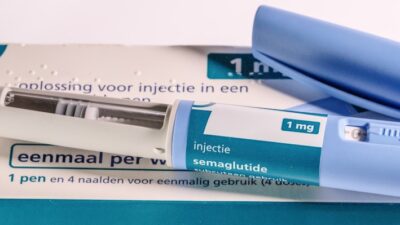
No, metformin is not a semaglutide. They are different drugs from different drug classes. Metformin is an oral biguanide — a pill taken 1 to 3 times daily that has been the first-line treatment for type 2 diabetes for more than 60 years. Semaglutide is a GLP-1 receptor agonist — available as a once-weekly injection (Ozempic, Wegovy) or daily pill (Rybelsus) — that mimics a natural gut hormone. The two drugs are frequently combined because their mechanisms are complementary and their effects on A1C are additive.
Quick Answer
Metformin and semaglutide are two completely separate drugs. They:
- Belong to different drug classes (biguanide vs GLP-1 receptor agonist)
- Have different molecular structures (small organic molecule vs modified peptide hormone)
- Use different routes (oral tablet vs subcutaneous injection or specialized oral peptide)
- Have different dosing schedules (1 to 3 times daily vs once weekly injection or daily pill)
- Produce different side effect profiles, weight effects, and cardiovascular outcomes
- Cost dramatically different amounts (4 to 20 dollars per month vs 800 to 1,400 dollars per month at retail)
What Metformin Is
Metformin is a biguanide first introduced in 1957 and FDA-approved in the United States in 1995. It is the most prescribed oral drug for type 2 diabetes worldwide, available in immediate-release and extended-release forms, and costs as little as 4 dollars per month in its generic form.
How metformin works:
- Reduces hepatic glucose production (the main mechanism)
- Improves insulin sensitivity in muscle tissue (smaller effect)
- Activates AMP-activated protein kinase (AMPK)
- Inhibits mitochondrial complex I in liver cells
- Modestly increases gut GLP-1 secretion as an indirect effect (this is sometimes the source of confusion — metformin is not a GLP-1 drug itself)
- Alters gut microbiome composition in ways that may influence glucose metabolism
What Semaglutide Is
Semaglutide is a GLP-1 receptor agonist developed by Novo Nordisk. It is a modified version of the natural human GLP-1 peptide, with amino acid substitutions and an attached fatty acid chain that prolongs its half-life to about 7 days. It is sold under three brand names in the United States:
- Ozempic — weekly subcutaneous injection for type 2 diabetes
- Wegovy — weekly subcutaneous injection for chronic weight management (obesity)
- Rybelsus — daily oral tablet for type 2 diabetes
How semaglutide works:
- Binds the GLP-1 receptor on pancreatic beta cells, enhancing glucose-dependent insulin secretion
- Suppresses inappropriate glucagon release from alpha cells
- Slows gastric emptying, blunting post-meal glucose rises
- Acts on appetite centers in the hypothalamus to reduce hunger
- May improve beta-cell function over time
Side-by-Side Comparison
| Feature | Metformin | Semaglutide |
|---|---|---|
| Drug class | Biguanide | GLP-1 receptor agonist |
| Type of molecule | Small organic molecule | Modified peptide hormone |
| Brand names | Glucophage, Glucophage XR, Fortamet, Glumetza, generics | Ozempic, Wegovy, Rybelsus |
| Generic available | Yes — widely | No (US, as of 2026) |
| Route | Oral tablet | Weekly SC injection or daily oral tablet |
| Frequency | 1–3 times daily | Weekly (Ozempic, Wegovy); daily (Rybelsus) |
| Typical A1C reduction | 1.0–1.5% | 1.0–2.0% |
| Average weight effect | -1 to -3 kg (2–6 lbs) | -6 to -15 kg (15–30 lbs) |
| Hypoglycemia risk | Very low alone | Very low alone |
| Main side effects | Diarrhea, nausea, metallic taste, B12 deficiency long-term | Nausea, vomiting, diarrhea, constipation |
| CV outcomes data | Long-term protective signal (UKPDS) | Proven MACE reduction (SUSTAIN-6, SELECT) |
| Renal use | Avoid eGFR less than 30 | No dose adjustment for kidney function |
| Typical monthly cost (US) | $4–$20 | $800–$1,400 |
| FDA approval year | 1995 (US) | 2017 (Ozempic) |
| First-line use | Yes for type 2 diabetes | Usually after metformin or as add-on |
Why They Are Often Combined
Because metformin and semaglutide work through completely different pathways, their effects on blood sugar are additive. A common modern regimen for type 2 diabetes is:
- Metformin started first — inexpensive, well-tolerated for most, with long-term safety data
- Semaglutide (or another GLP-1 agonist) added when A1C remains above goal, weight loss is needed, or cardiovascular protection is a priority
- An SGLT2 inhibitor added if heart failure, atherosclerotic cardiovascular disease, or chronic kidney disease are present
The American Diabetes Association Standards of Care 2024 emphasize choosing the second drug based on comorbidities rather than purely by A1C effect. Metformin remains a foundational drug even as semaglutide and other GLP-1 agonists are added.
Where the Confusion Comes From
Several factors contribute to the metformin-semaglutide mix-up:
- Both treat type 2 diabetes
- Both can produce weight loss (though to very different degrees)
- Both share some GI side effects (nausea, diarrhea)
- Media coverage of semaglutide for weight loss has been intense, and casual conversation sometimes lumps diabetes drugs together
- Metformin does modestly increase the body’s own GLP-1 secretion, which is sometimes misinterpreted as metformin being a GLP-1 drug
- The phrase “blood sugar pill” is sometimes used loosely to refer to either drug
Mechanisms in More Detail
| Effect | Metformin | Semaglutide |
|---|---|---|
| Liver glucose production | Strongly reduces | Modestly reduces via glucagon suppression |
| Insulin secretion | No direct effect | Increases (glucose-dependent) |
| Insulin sensitivity | Modestly improves | Indirectly improves via weight loss |
| Glucagon | Minor reduction | Marked reduction |
| Gastric emptying | Minor slowing | Major slowing |
| Appetite | Mild reduction | Strong reduction (CNS effect) |
| Beta-cell function | Mild preservation | May improve |
| Gut microbiome | Substantial changes | Modest changes |
| Cellular target | AMPK activation, complex I inhibition | GLP-1 receptor |
When Each Drug Is Preferred
Metformin is usually preferred when:
- A new diagnosis of type 2 diabetes with mild to moderate A1C elevation
- Cost is a major consideration
- Patient prefers an oral medication
- Kidney function is adequate (eGFR 30 or above)
- Significant weight loss is not the main goal
- Polycystic ovary syndrome (off-label)
Semaglutide is usually preferred or added when:
- A1C remains above goal on metformin
- Established cardiovascular disease or multiple cardiovascular risk factors
- Obesity with BMI of 30 or higher (Wegovy) or 27 with comorbidities
- Weight loss is a primary goal
- Kidney function limits metformin use
- Patient prefers a weekly injection or a once-daily pill (Rybelsus)
What About Tirzepatide?
Tirzepatide (Mounjaro for diabetes, Zepbound for obesity) is sometimes lumped together with semaglutide but is a different drug — a dual GIP and GLP-1 receptor agonist. It produces even greater weight loss than semaglutide in head-to-head trials (SURPASS-2, SURMOUNT). It is also not a metformin — it is a peptide hormone analog, injected weekly. None of these GLP-1 or GIP-based drugs are metformin.
Cost Comparison
| Drug | Typical Monthly Retail (US) | With Manufacturer Card | Generic Available |
|---|---|---|---|
| Metformin IR (generic) | $4–$10 | N/A | Yes |
| Metformin ER (generic) | $10–$30 | N/A | Yes |
| Ozempic (semaglutide) | $950–$1,100 | $25–$200 if eligible | No |
| Wegovy (semaglutide for obesity) | $1,300–$1,400 | $25–$500 if eligible | No |
| Rybelsus (oral semaglutide) | $900–$1,000 | $10–$200 if eligible | No |
For a clarification on related GLP-1 drugs, see is Trulicity a semaglutide. For alternatives if metformin is poorly tolerated, see alternative to metformin.
External Reference for Drug Class Details
For an authoritative overview of how diabetes medications are categorized, see the NIDDK overview of insulin, medicines, and diabetes treatments. For more on glucose targets, see our A1C levels guide.
The Bottom Line
Metformin is not a semaglutide. Metformin is an oral biguanide that reduces liver glucose production and has been the first-line type 2 diabetes drug for more than 60 years. Semaglutide is a GLP-1 receptor agonist that mimics a natural gut hormone, taken as a weekly injection (Ozempic, Wegovy) or daily pill (Rybelsus). They are different drug classes, different mechanisms, different routes, different schedules, and dramatically different costs. They are often combined because the effects are complementary. Talk with your clinician about which drug or combination matches your A1C, weight, kidney function, cardiovascular risk, and cost considerations.