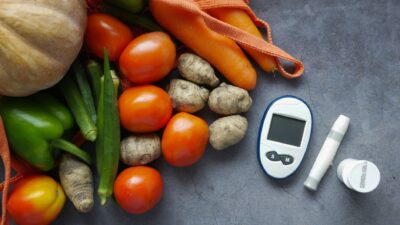
Kerendia (finerenone) is a prescription tablet used to protect the kidneys and heart. According to its current FDA label, Kerendia uses include chronic kidney disease (CKD) associated with type 2 diabetes, CKD associated with type 1 diabetes, and heart failure with a left ventricular ejection fraction (LVEF) of 40% or higher. It does not lower blood sugar.
What Is Kerendia?
Kerendia is the brand name for finerenone, made by Bayer. It belongs to a drug class called non-steroidal mineralocorticoid receptor antagonists (nsMRAs). The FDA first approved it in 2021. It comes as once-daily tablets in 10 mg, 20 mg and 40 mg strengths.
The mineralocorticoid receptor is switched on by hormones such as aldosterone and cortisol. According to the prescribing information, overactivation of this receptor in the kidneys, heart and blood vessels is thought to contribute to inflammation and scarring (fibrosis). Finerenone blocks the receptor. The label notes that it is highly selective and has no relevant affinity for androgen, progesterone, estrogen or glucocorticoid receptors.
Kerendia is not a glucose-lowering drug. It is added to your diabetes and kidney care, not used instead of it.
Kerendia Uses on the Current FDA Label
The Kerendia prescribing information (revised September 2026) lists three uses in adults:
| Condition | What Kerendia is approved to do | Main supporting study |
|---|---|---|
| CKD associated with type 2 diabetes | Reduce the risk of sustained eGFR decline, end-stage kidney disease, cardiovascular death, non-fatal heart attack and hospitalization for heart failure | FIDELIO-DKD and FIGARO-DKD |
| CKD associated with type 1 diabetes | Reduce urine albumin-to-creatinine ratio (UACR), which is expected to reduce the risk of sustained eGFR decline and end-stage kidney disease | FINE-ONE, plus the type 2 diabetes trials |
| Heart failure with LVEF of 40% or higher | Reduce the risk of cardiovascular death, hospitalization for heart failure and urgent heart failure visits | FINEARTS-HF |
The type 1 diabetes use is the newest addition. It is based on Kerendia lowering urine albumin in the FINE-ONE trial, combined with the kidney outcomes already seen in people with type 2 diabetes.
What the Studies Found
The label summarizes the main trials:
- FIDELIO-DKD (5,674 adults with CKD and type 2 diabetes): Kerendia lowered the risk of the main kidney outcome, a combination of sustained eGFR decline of 40% or more, kidney failure or kidney death, compared with placebo (hazard ratio 0.82).
- FIGARO-DKD (7,352 adults): Kerendia lowered the risk of the combined heart outcome of cardiovascular death, non-fatal heart attack, non-fatal stroke or hospitalization for heart failure (hazard ratio 0.87), driven mainly by fewer heart failure hospitalizations.
- FINE-ONE (242 adults with CKD and type 1 diabetes): Kerendia reduced urine albumin compared with placebo over 6 months.
- FINEARTS-HF: in adults with heart failure and LVEF of 40% or higher, Kerendia reduced the combined total of cardiovascular deaths and heart failure events (rate ratio 0.84).
In the kidney trials, almost everyone was already taking an ACE inhibitor or ARB at the highest dose they could tolerate. Kerendia was added on top of that care.
Where Kerendia Fits in Diabetic Kidney Disease Care
Diabetes is the leading cause of kidney disease, and most people with diabetic kidney disease have no symptoms, according to the NIDDK. That is why the NIDDK advises yearly kidney testing if you have type 2 diabetes, or have had type 1 diabetes for more than 5 years, using a urine albumin test and a blood test of kidney filtering, often reported as an eGFR.
The American Diabetes Association Standards of Care 2026 recommend a non-steroidal MRA with proven trial benefit for people with type 2 diabetes and CKD with albuminuria when eGFR is 25 or higher, with potassium checked about 1 month after starting. The ADA also says starting an SGLT2 inhibitor and finerenone at the same time can be considered for adults with type 2 diabetes and a UACR of 100 mg/g or higher who are already on an ACE inhibitor or ARB.
In practice, Kerendia is often one part of a layered plan that may include an ACE inhibitor or ARB, an SGLT2 inhibitor such as Jardiance, blood pressure and blood sugar control, and a statin. Your nephrologist or primary care clinician decides which combination suits you.
Kerendia Dosing: How the Label Sets the Dose
Your prescriber sets and adjusts the dose based on your blood tests. The information below summarizes the label for reference only. It is not a guide to adjusting your own dose.
| eGFR before starting (mL/min/1.73 m²) | Label starting dose |
|---|---|
| 60 or higher | 20 mg once daily |
| 25 to under 60 | 10 mg once daily |
| Under 25 | Starting is not recommended |
- Before starting: potassium and eGFR are measured. The label says not to start Kerendia if serum potassium is above 5.0 mEq/L.
- Target dose: 20 mg once daily for CKD with type 2 or type 1 diabetes. For heart failure, the target is 40 mg daily if eGFR was 60 or higher at the start, or 20 mg if it was 25 to under 60.
- Follow-up: potassium is rechecked about 4 weeks after starting and after any dose change, then periodically. The label includes a table telling the prescriber when to increase, keep or pause the dose based on potassium. For example, in CKD the dose is withheld if potassium rises above 5.5 mEq/L.
- How to take it: once a day, with or without food. If you cannot swallow tablets, the label allows crushing and mixing with water or a soft food such as applesauce right before taking it.
- Missed dose: take it as soon as you remember on the same day. If the day has passed, skip it and take the next dose as scheduled. Do not double up.
Kerendia Side Effects
In the pooled FIDELIO-DKD and FIGARO-DKD data, these side effects were more common with Kerendia than with placebo:
| Side effect | Kerendia | Placebo |
|---|---|---|
| High potassium (hyperkalemia) | 14.0% | 6.9% |
| Low blood pressure (hypotension) | 4.6% | 3.0% |
| Low sodium (hyponatremia) | 1.3% | 0.7% |
Other points from the label:
- Small early change in kidney numbers. Creatinine may rise slightly and eGFR may dip by a few points in the first 4 weeks, then stabilize. This is expected and reversible after stopping.
- Uric acid may rise a little, an effect that appears to lessen over time.
- Worsening kidney function in heart failure. In FINEARTS-HF, kidney-related adverse events were reported more often with Kerendia (18%) than with placebo (12%), so eGFR is monitored in people with heart failure.
- Allergic reactions including angioedema, rash and hives have been reported after approval.
When to get help: Call your doctor if you notice muscle weakness, nausea or an irregular heartbeat, which can be signs of high potassium. Call 911 or go to the emergency room for chest pain, a very slow or irregular heartbeat, severe weakness, fainting, or swelling of the face, lips, tongue or throat.
Learn more about high potassium from MedlinePlus.
Drug and Food Interactions
Finerenone is broken down by the liver enzyme CYP3A4, so drugs and foods that affect this enzyme change how much reaches your blood.
- Strong CYP3A4 inhibitors are contraindicated. Examples include itraconazole, ketoconazole, clarithromycin and ritonavir-boosted regimens. The label’s modeling predicted that itraconazole would raise finerenone exposure by more than 400%.
- Moderate or weak CYP3A4 inhibitors are allowed with extra potassium monitoring when either drug is started or changed.
- Grapefruit and grapefruit juice should be avoided.
- Strong or moderate CYP3A4 inducers should be avoided because they can make Kerendia less effective. Examples include rifampin, efavirenz, carbamazepine, phenytoin and St. John’s wort.
- Anything that raises potassium calls for closer monitoring. This includes potassium supplements, salt substitutes made with potassium chloride, ACE inhibitors, ARBs and trimethoprim. The label advises asking your doctor before using potassium supplements or potassium salt substitutes.
- At the 40 mg dose, Kerendia mildly inhibits CYP2C8, so prescribers watch more closely for side effects of sensitive CYP2C8 drugs such as repaglinide.
Do not stop an ACE inhibitor, ARB or any other prescribed medicine to make room for Kerendia. Your care team manages these combinations with blood tests.
Who Should Not Take Kerendia
According to the label, Kerendia is contraindicated if you:
- Are allergic to finerenone or any ingredient in the tablet
- Take a strong CYP3A4 inhibitor
- Have adrenal insufficiency
The label also advises avoiding it in severe liver impairment (Child-Pugh C) and checking potassium more often in moderate liver impairment. Breastfeeding is not recommended during treatment and for 1 day after the last dose. There are no human data on use in pregnancy, so talk with your care team if you are pregnant or planning a pregnancy. It is not approved for people under 18.
Questions to Ask Your Care Team
- What are my current eGFR, urine albumin (UACR) and potassium levels?
- How often will I need blood tests while taking Kerendia?
- Do any of my current medicines, supplements or salt substitutes raise my potassium?
- Should I limit high-potassium foods, or is my usual diet fine?
- How does Kerendia fit with my SGLT2 inhibitor, ACE inhibitor or ARB?
For an overview of kidney warning signs, read our guide to nephropathy symptoms, or browse more options on our treatment hub.
The Bottom Line
Kerendia uses on the current FDA label include slowing kidney decline and lowering heart risks in adults with CKD linked to type 2 diabetes, reducing urine albumin in CKD linked to type 1 diabetes, and reducing heart failure events in adults with LVEF of 40% or higher. It is not a blood sugar medicine. The main risk is high potassium, so regular blood tests are part of treatment. Avoid grapefruit, check with your pharmacist before starting any new medicine or supplement, and never stop your other kidney or heart medicines without talking to your care team.