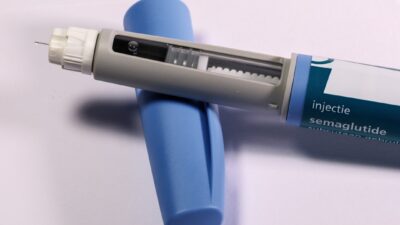
Microdose tirzepatide is not an FDA-recognized term. It is used informally online and on some telehealth platforms to describe dosing below the labeled 2.5 mg starting dose, or staying at very low doses long-term. The FDA-approved Mounjaro and Zepbound labels start at 2.5 mg once weekly and escalate in 2.5 mg steps.
How the FDA-Approved Label Actually Reads
Tirzepatide is sold under two brand names:
- Mounjaro, approved for adults with type 2 diabetes.
- Zepbound, approved for chronic weight management and, since late 2024, moderate-to-severe obstructive sleep apnea in adults with obesity.
Both labels begin at 2.5 mg once weekly for four weeks, then escalate every four weeks to 5 mg, 7.5 mg, 10 mg, 12.5 mg, and finally up to 15 mg. The 2.5 mg dose is labeled as an introduction for tolerability, not a maintenance dose. Pivotal trials that supported FDA approval tested 5 mg, 10 mg, and 15 mg maintenance doses for efficacy endpoints.
What People Mean by Microdose
The term is used loosely and may refer to any of the following:
- Starting below 2.5 mg (for example, 1 mg or 1.25 mg) to reduce initial nausea
- Staying at 2.5 mg indefinitely rather than escalating
- Splitting doses from compounded vials to extend supply or lower cost
- Using low doses intermittently, such as every other week
None of these approaches appear in the FDA-approved labels. That makes them off-label by definition, which is a decision only a licensed clinician can make for you based on your full medical picture.
Why Some People Consider It
Interest in low-dose strategies typically comes from three places:
| Motivation | Reality Check |
|---|---|
| Reduce GI side effects | The labeled 2.5 mg introduction already targets tolerability; many patients find the standard ladder tolerable with proper hydration and meal pacing |
| Lower monthly cost | Compounded sub-label doses may be cheaper but are not FDA-approved for safety/effectiveness |
| Maintenance after weight loss | Limited clinical evidence exists on long-term sub-label dosing for weight maintenance |
If cost is the driver, talk with your prescriber about manufacturer savings programs, formulary positioning, and whether another FDA-approved option better fits your plan. Our treatment overview covers the broader landscape.
Safety Considerations
The FDA label’s warnings apply to any exposure to tirzepatide. According to the prescribing information:
- Boxed warning for thyroid C-cell tumors; contraindicated in personal or family history of medullary thyroid carcinoma or MEN 2
- Pancreatitis and gallbladder disease risk
- Severe GI reactions and dehydration-related acute kidney injury
- Hypoglycemia when combined with insulin or sulfonylureas
- Diabetic retinopathy complications in patients with a history of retinopathy
Lowering the dose does not eliminate these risks; it may reduce but does not remove GI effects. Review the label at the FDA Zepbound prescribing information.
The Compounded Microdose Question
Many advertised microdose regimens rely on compounded tirzepatide. The FDA has made clear that compounded versions are not FDA-approved for safety and effectiveness, and the agency has documented adverse events linked to dosing errors and unapproved salt forms. After tirzepatide left the FDA shortage list in 2024-2025, the regulatory window for mass compounding narrowed substantially. A lower dose delivered through a compounded product is not equivalent to a lower dose of branded Mounjaro or Zepbound.
What a Clinician-Led Low-Dose Plan Looks Like
If your prescriber decides to slow titration or hold at a low labeled dose (for example, 2.5 mg for more than four weeks due to side effects), that plan should include:
- Documented rationale in your chart
- Scheduled follow-up to reassess tolerability and response
- Discussion of realistic goals given sub-therapeutic dosing
- Plan for eventual escalation if tolerated
- Clear instructions for missed doses, dose stacking, and emergencies
This is very different from self-adjusting based on internet guidance. Consider pairing medication with structured lifestyle change; our nutrition guide and prediabetes reversibility overview outline evidence-based foundations.
Medical disclaimer: This article is educational only and is not medical advice. Do not start, stop, or change any prescription medication without consulting a licensed clinician.
The Bottom Line
Microdose tirzepatide is a marketing phrase, not a label-supported protocol. The FDA reviewed doses from 2.5 mg to 15 mg with specific titration steps; anything outside that ladder is off-label and should be a deliberate, documented clinical decision. Do not improvise dosing, and be cautious of platforms selling compounded microdose regimens that sit outside FDA oversight.