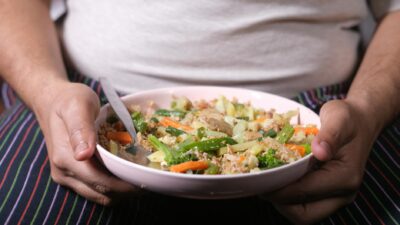
Constipation affects 6 to 20% of adults on Mounjaro (tirzepatide) — among the most common side effects. The cause is slowed gut motility from tirzepatide’s activation of both GIP and GLP-1 receptors. Food moves through the stomach and intestines more slowly, which is part of how the medication produces fullness and reduced appetite, but also means more water absorption in the colon producing harder stools. Constipation typically begins within weeks of starting and may persist throughout treatment, though severity often decreases with time. Most adults can manage constipation through diet (increased fiber to 25-38 g daily), hydration (2-3 L daily), magnesium supplementation at bedtime, regular exercise, and OTC laxatives when needed. The medication’s substantial benefits (weight loss, glucose control, cardiovascular protection) usually outweigh manageable GI side effects.
Why Mounjaro Causes Constipation
- Tirzepatide activates GIP and GLP-1 receptors.
- Both pathways slow gastric emptying.
- Slower small intestine transit.
- More water reabsorption in colon → harder stools.
- Reduced food intake also reduces stool bulk.
- Effect compounds with concurrent medications (opioids, calcium channel blockers, anticholinergics).
Management Strategy
| Strategy | Detail |
|---|---|
| Increase fiber | 25-38 g daily; psyllium husk supplement; vegetables, fruits, legumes |
| Hydration | 2-3 liters daily; especially with fiber increase |
| Magnesium | 200-400 mg citrate or oxide at bedtime; gentle osmotic laxative |
| Exercise | 30 min walking daily improves gut motility |
| Probiotics | Modest evidence; worth trying |
| Regular bowel routine | Same time daily; respond to urges |
| Stool softeners | Docusate (Colace) 100 mg twice daily |
| Osmotic laxatives | MiraLax (polyethylene glycol) daily |
| Bulk-forming laxatives | Psyllium (Metamucil), methylcellulose (Citrucel) |
Fiber Strategies
- Daily target: 25 g for women, 38 g for men.
- Increase gradually over 2-3 weeks to avoid bloating.
- Best food sources: legumes (lentils, chickpeas, black beans), berries, vegetables, whole grains, chia seeds, flaxseed.
- Psyllium husk supplement (Metamucil): 5-10 g daily.
- Soluble fiber (oats, beans, psyllium) particularly helpful for stool consistency.
- Insoluble fiber (whole grains, vegetable skins) for bulk.
- Both types needed.
Hydration Strategy
- 2-3 liters water daily.
- Sip throughout day rather than gulp.
- Adequate hydration with fiber prevents worsened constipation.
- Coffee and tea modestly count toward fluid (caffeine stimulates bowel).
- Avoid excessive alcohol — dehydrating.
- Warm beverages in morning often help.
- Track intake if not naturally drinking enough.
When to Consider Dose Changes
- Severe constipation not responding to standard measures.
- Abdominal distension or pain.
- Multiple weeks of no improvement.
- Significant impact on quality of life.
- Options: reduce dose by 1 step; stay at current dose longer before next escalation; temporary discontinuation; switch to another GLP-1.
- Discuss with prescriber before changes.
Red Flags Requiring Urgent Care
- Complete obstruction: no stool or gas for 3+ days with pain/vomiting.
- Severe abdominal pain.
- Vomiting that doesn’t stop.
- Blood in stool (more than minor streaking).
- Fever with severe constipation.
- Signs of bowel perforation (severe pain, rigid abdomen).
- Inability to keep down fluids.
The Bottom Line
Constipation affects 6 to 20% of adults on Mounjaro (tirzepatide) and is among the most common side effects. The cause is slowed gut motility from tirzepatide’s dual GIP/GLP-1 receptor activation — food moves through the GI tract more slowly, allowing more water reabsorption in the colon and producing harder stools. Management is usually successful with: increased fiber (25-38 g daily through legumes, vegetables, fruits, whole grains, or psyllium supplements), adequate hydration (2-3 L daily), magnesium supplementation at bedtime (200-400 mg citrate or oxide as gentle osmotic laxative), regular exercise (30 min walking daily), and OTC laxatives if needed (MiraLax, docusate, psyllium). Adults with prior bowel surgery, diverticulitis, or chronic constipation should discuss baseline approach with prescriber before starting. Severe persistent constipation may warrant dose reduction or temporary discontinuation but stopping the medication is rarely necessary. Red flags requiring urgent care include complete obstruction (no stool/gas for 3+ days with pain), severe abdominal pain, persistent vomiting, blood in stool, or fever. The medication’s substantial benefits (weight loss, glucose control, cardiovascular protection) usually outweigh manageable GI side effects. For most adults on Mounjaro, proactive constipation management with diet, hydration, and supplements maintains both medication adherence and gut comfort. See our broader Mounjaro vs Ozempic guide for context.