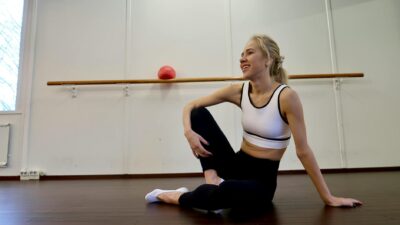
Pilates is a low-impact exercise method developed by Joseph Pilates in early 1900s emphasizing core strength, body alignment, controlled breathing, and mindful movement. Two main forms – mat Pilates (floor exercises on mat using bodyweight) and Reformer Pilates (machine-based using springs and pulleys for resistance). Benefits for diabetes – improves insulin sensitivity (limited research but emerging); builds muscle (more muscle improves glucose uptake); improves core stability (reduces fall risk – important for older adults with diabetes); reduces back pain (common in adults with diabetes due to nerve issues, weight); stress reduction; better posture; improved balance and flexibility. Some research – small studies show Pilates may modestly improve A1C, fasting glucose, insulin sensitivity, lipids, blood pressure; benefits comparable to general exercise programs. Particularly good for – older adults, those with joint issues, post-injury rehabilitation, beginners, those intimidated by high-intensity exercise. Per ADA exercise guidelines – Pilates counts as resistance training (recommended 2-3x weekly) and adds flexibility/balance components. Two main forms with different equipment – mat Pilates (exercises performed on padded mat on floor; uses body weight for resistance; props sometimes used; accessible at home or studio; minimal equipment cost) and Reformer Pilates (performed on Pilates machine – Reformer – with sliding carriage, springs, ropes, footbar; spring resistance varies; performed lying, sitting, standing; more variety of exercises; needs studio). Group classes typically 50 minutes; private sessions available; cost varies. Online Pilates – apps and YouTube widely available; budget-friendly option for mat work. Both forms effective for diabetes – choose based on availability, cost, preference. Limited but emerging evidence for Pilates and diabetes. Several small studies and meta-analyses suggest modest A1C improvement (0.3-0.5% reduction in some studies); improved fasting blood sugar; better insulin sensitivity (HOMA-IR); lipid improvements (lower LDL, triglycerides; higher HDL in some studies); lower blood pressure; weight management (modest); better quality of life scores. Programs studied – typically 8-12 weeks, 2-3 sessions weekly, 50-60 minutes each. Compared to aerobic exercise – similar metabolic benefits; combined approach may be better than either alone.
Pilates Benefits for Diabetes
| Benefit | Mechanism |
|---|---|
| Improved insulin sensitivity | Muscle activity increases glucose uptake |
| Better blood sugar control | Modest A1C reduction in studies |
| Increased muscle mass | Resistance component; more glucose storage |
| Better core stability | Falls prevention; back pain relief |
| Stress reduction | Cortisol effects on blood sugar reduced |
| Improved flexibility | Better mobility and joint health |
| Better balance | Reduces fall risk in older adults |
| Better posture | Reduces musculoskeletal complications |
Pilates Forms Comparison
| Type | Equipment | Cost | Access |
|---|---|---|---|
| Mat Pilates | Mat, props (optional) | $20-30 per class; home affordable | Studio or home |
| Reformer Pilates | Reformer machine | $30-50 group, $100-150 private | Studio only |
| Tower/Cadillac | Pilates vertical attachment | Similar to Reformer | Specialized studio |
| Pop Pilates | Mat (more cardio) | $15-30 per class | Many gyms; YouTube free |
| Barre Pilates | Ballet barre + mat | $15-30 per class | Specialized studios |
| Clinical Pilates | Various | $50-150 per session | Physical therapy settings |
Pilates Programs for Diabetes
- Beginner mat Pilates 2-3x weekly, 30-50 minutes.
- Reformer Pilates 1-2x weekly + home mat work.
- Combine with walking 30 minutes 3-5x weekly (aerobic).
- Add swimming or cycling for cardio variety.
- Progress to intermediate after 2-3 months.
- Online Pilates apps (Pilates Anytime, Glo, etc.).
- YouTube channels (Blogilates, Move with Nicole, others).
- Group fitness class at gym for accessibility.
- Clinical Pilates (Physical Therapist-led) post-injury.
- Senior-friendly modified Pilates classes available.
Special Considerations for Diabetes
- Consult provider first if proliferative retinopathy (avoid inverted positions).
- Severe peripheral neuropathy – avoid balance-challenging exercises that risk falls.
- Autonomic neuropathy – monitor heart rate; orthostatic concerns.
- Recent surgery – clear with surgeon.
- Wear stable footwear or grip socks.
- Test blood sugar before and after sessions initially.
- Carry glucose tablets if on insulin/sulfonylureas.
- Hydrate well before, during, after.
- Inform instructor of diabetes status.
- Modify exercises as needed (don’t force range of motion).
- Listen to body – rest if needed.
Starting Pilates Tips
- Start with “intro” or “fundamental” classes.
- One-on-one introductory sessions worth the investment.
- Mat Pilates accessible at home with YouTube/apps.
- Reformer studios usually offer trial classes.
- Focus on form over intensity initially.
- Learn core concepts – breathing, centering, alignment.
- Progress gradually over months.
- Combine with aerobic exercise (walking, swimming).
- Track progress (strength, flexibility, blood sugar response).
- Be patient – mind-body connection improves over weeks.
The Bottom Line
Pilates is a low-impact exercise method developed by Joseph Pilates in early 1900s emphasizing core strength, body alignment, controlled breathing, and mindful movement. Two main forms – mat Pilates (floor exercises on mat using bodyweight) and Reformer Pilates (machine-based using springs and pulleys for resistance). Benefits for diabetes – improves insulin sensitivity (limited research but emerging); builds muscle (more muscle improves glucose uptake); improves core stability (reduces fall risk for older adults with diabetes); reduces back pain (common in adults with diabetes); stress reduction; better posture; improved balance and flexibility. Some research – small studies show Pilates may modestly improve A1C (0.3-0.5% reduction), fasting glucose, insulin sensitivity, lipids, blood pressure. Particularly good for – older adults, those with joint issues, post-injury rehabilitation, beginners, those intimidated by high-intensity exercise. Per ADA exercise guidelines – Pilates counts as resistance training (recommended 2-3x weekly) and adds flexibility/balance components. Mat Pilates uses bodyweight and props on floor; Reformer Pilates uses machine with sliding carriage, springs, ropes, footbar. Group classes typically 50 minutes. Online Pilates widely available. Both forms effective for diabetes. Limited but emerging evidence for Pilates and diabetes – small studies and meta-analyses suggest modest A1C improvement, improved fasting blood sugar, better insulin sensitivity (HOMA-IR), lipid improvements, lower blood pressure, weight management (modest), better quality of life scores. Programs studied – typically 8-12 weeks, 2-3 sessions weekly, 50-60 minutes each. Compared to aerobic exercise – similar metabolic benefits; combined approach may be better than either alone. Practical guidance – consult provider first (especially if cardiovascular disease, retinopathy, severe neuropathy, recent surgery, uncontrolled hypertension); start with beginner classes; tell instructor about diabetes; wear stable footwear or grip socks; carry glucose tablets if on insulin/sulfonylureas; test blood sugar before and after sessions initially; hydrate well; 2-3 sessions per week ideal; combine with aerobic exercise. Watch for proliferative retinopathy – avoid inverted positions (head below heart) which can spike eye pressure. For adults with type 2 diabetes – Pilates is a reasonable, evidence-supported, low-impact exercise option; particularly good for older adults, joint issues, or beginners; combine with aerobic activity like walking for comprehensive program; 2-3 sessions weekly. See our broader exercise for diabetes guide for context.