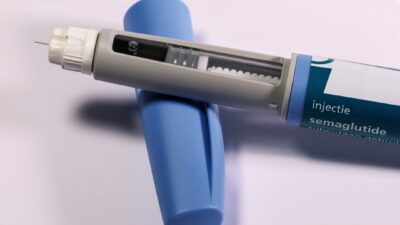
Mild stomach pain on semaglutide is common — usually from slowed gastric emptying that causes fullness, bloating, and cramping. Most cases resolve within days to a week as your gut adapts. Severe upper-abdominal pain that radiates to the back, persistent vomiting, fever, or right-upper-quadrant pain after fatty meals are red flags for pancreatitis or gallbladder problems and require same-day medical evaluation.
Why Semaglutide Causes Stomach Pain
- Delayed gastric emptying — food sits in the stomach longer, distending it
- Slower intestinal transit — bloating, cramping, constipation
- Increased reflux — fuller stomach pushes acid upward
- Dehydration — reduced thirst signal can worsen cramping
- Reduced appetite mismatched with portions — eating habitual portion sizes overloads a slowed system
- Rapid weight loss — gallstones become more likely
- Pancreatic effects — rare but serious when pancreatitis occurs
Mild Stomach Pain: Common Patterns
| Pattern | What It Feels Like | Typical Duration |
|---|---|---|
| Post-meal fullness | Distention, mild ache after eating | 1 to 4 hours after meal |
| Bloating and gas | Tight abdomen, occasional cramping | Throughout day, fades over weeks |
| Reflux burn | Burning behind sternum | Especially when lying down |
| Constipation cramps | Lower-abdomen cramping with infrequent stools | Until bowel routine returns |
| Diarrhea cramps | Lower abdominal cramping with loose stools | 1 to 2 weeks at a new dose |
Mild Stomach Pain: How to Manage
Eating Adjustments
- Reduce portion sizes — about 1 cup per meal during titration
- Eat slowly, chew thoroughly
- Stop at first fullness; do not eat past it
- Avoid lying down for 30 minutes after eating
- Skip fatty, fried, very sweet, or carbonated foods
- Cold meals often better tolerated than hot
Lifestyle Adjustments
- Walk for 10 to 20 minutes after meals
- Heat pad on abdomen for cramping
- Loose clothing around the waist
- Hydrate steadily — at least 64 ounces of water daily
- Sleep with head elevated if reflux is a problem
OTC and Prescription Options
- Antacids (Tums, Maalox) for reflux
- H2 blockers (famotidine) for persistent reflux
- Simethicone (Gas-X) for trapped gas
- Stool softeners (docusate) and fiber supplements for constipation
- Loperamide for diarrhea (short-term only)
- Hyoscyamine for cramping
Pancreatitis: The Most Important Red Flag
Acute pancreatitis is a rare but serious complication of GLP-1 medications. Recognizing it early matters because untreated pancreatitis can be life-threatening.
| Sign | Description |
|---|---|
| Pain location | Upper abdomen, often radiating to the back |
| Pain quality | Severe, often described as “sharp” or “boring” |
| Pain pattern | Usually constant rather than crampy; worse after eating |
| Associated symptoms | Persistent nausea and vomiting, fever, rapid heart rate, abdominal tenderness |
| Action | Stop semaglutide and seek same-day medical evaluation |
Gallbladder Problems
Rapid weight loss from any cause increases gallstone risk. GLP-1 medications, by accelerating weight loss, slightly raise this risk.
- Right-upper-quadrant pain, often radiating to the right shoulder blade
- Pain after fatty or rich meals
- Nausea and vomiting
- Fever (with infection)
- Jaundice (yellowing of skin or eyes)
- Pale stools, dark urine
Persistent or recurrent right-upper-quadrant pain on semaglutide deserves an ultrasound and clinician evaluation.
Other Causes Not to Miss
- Gastroparesis flare — semaglutide can worsen pre-existing gastroparesis (severe early fullness, vomiting undigested food)
- Bowel obstruction — severe distension, no gas, vomiting, hard belly
- Peptic ulcer disease — burning epigastric pain, possibly worse on empty stomach
- Appendicitis — right-lower-quadrant pain, fever, loss of appetite (unrelated but easy to attribute incorrectly)
When to Get Same-Day Help
- Severe pain that prevents normal activity
- Pain radiating to the back
- Persistent vomiting (longer than 24 hours)
- Vomiting blood or coffee-ground material
- Black or bloody stools
- Fever above 101 F with abdominal pain
- Hard, distended abdomen with no gas passing
- Jaundice
- Severe dehydration (dizzy, no urine for 8 hours)
What Your Clinician May Do
- Lipase and amylase blood tests (pancreatitis)
- Liver function tests and bilirubin (gallbladder)
- Ultrasound of the abdomen (gallstones, pancreatitis signs)
- CT scan if suspicion of pancreatitis is high
- Hold semaglutide while evaluating
- IV fluids if dehydrated
- Pain control and antiemetics
Resuming Semaglutide After a Flare
If pancreatitis is confirmed, semaglutide is usually discontinued permanently. For mild gastroparesis flares or non-pancreatitis pain, your clinician may resume at a lower dose, with slower titration, or switch you to an alternative medication. Read our overview of treatment options for context.
Related Reading
For more on semaglutide side effects and management, see our guides on treatment options and prediabetes basics.
The Bottom Line
Mild stomach pain from semaglutide is common, mostly from slowed gastric emptying, and usually resolves with smaller meals, hydration, slower eating, and time. Antacids, simethicone, and stool management help. Severe upper-abdominal pain that radiates to the back, persistent vomiting, right-upper-quadrant pain after fatty meals, jaundice, or signs of dehydration are red flags for pancreatitis or gallbladder complications and require same-day medical evaluation. Always trust escalating pain over the assumption that it is “just side effects” — call your clinician promptly when in doubt.