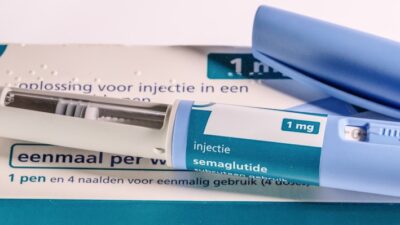
Tirzepatide injection sites include the abdomen, thigh, and upper arm, as described in the FDA prescribing information. This article reviews the recommended anatomy, basic rotation principles, and best-practice reminders. It is educational only and does not replace the step-by-step instructions your clinician or pharmacist provides.
What Is Tirzepatide and How Is It Given?
Tirzepatide is a once-weekly subcutaneous medication that activates GLP-1 and GIP receptors. It is delivered with a pre-filled, single-dose pen. Subcutaneous means the medication is injected into the fat layer just under the skin, not into muscle or a vein. Proper site selection and technique help ensure absorption and reduce discomfort.
For broader context on pharmacologic and lifestyle approaches to cardiometabolic risk, see our treatment hub.
Approved Injection Sites
According to the prescribing information, the three approved subcutaneous injection sites are:
- Abdomen: the area around the belly, usually at least two inches away from the navel.
- Thigh: the front of the upper leg, in the fatty tissue between hip and knee.
- Upper arm: the back of the upper arm, which may be easier with a caregiver’s help.
Within each region, there is a zone of suitable skin. Your clinician may point out specific areas to use and areas to avoid based on your body.
Site Comparison at a Glance
| Site | Pros | Considerations |
|---|---|---|
| Abdomen | Easy to see and reach; plenty of subcutaneous tissue for many people | Avoid the area close to the navel and any scars or stretch marks |
| Thigh | Accessible; good option when alternating with abdomen | Choose the fatty front/outer thigh, not the muscle or inner thigh |
| Upper arm | Useful for site rotation | Often easier with help from another person |
Rotating Injection Sites
Rotation is the practice of changing where each weekly injection goes. It helps reduce soreness, bruising, and skin changes such as lipohypertrophy, a thickened area of fat that can affect absorption. A common approach is to alternate sides and regions across the month, for example:
- Week 1: right lower abdomen
- Week 2: left lower abdomen
- Week 3: right thigh
- Week 4: left thigh
Keep a simple log on paper or in a phone app. If you share injection care with a caregiver, include them in the plan.
General Injection Best Practices
Always follow the exact instructions from your prescriber and the device’s patient guide. Typical best practices include:
- Wash hands with soap and water before handling the pen.
- Inspect the pen for any damage, discoloration, or particles.
- Choose a clean area of skin and wipe as directed.
- Inject into the subcutaneous fat layer, not muscle.
- Dispose of the used pen in an approved sharps container.
Do not share pens, even with family members, due to infection risk. Store the medication according to labeling instructions.
Areas and Situations to Avoid
Avoid injecting into skin that is:
- Bruised, tender, red, hard, scarred, or recently tattooed.
- Affected by a rash, infection, or active skin condition.
- Near a surgical scar, hernia, or visible blood vessel.
- Any area your clinician has specifically told you to skip.
Do not inject into a muscle or a vein. Do not give the medication through clothing. If you hit a vessel and notice significant bleeding, apply gentle pressure and contact your clinician with questions.
What to Do If You Have Injection-Site Reactions
Mild redness, itching, or a small bump at the site can happen and usually resolves in hours to a few days. Contact your clinician for:
- Pain, swelling, or redness that worsens after 48 hours.
- Warmth, pus, or signs of infection.
- Hives, facial swelling, or difficulty breathing, which require urgent care.
- Persistent lumps or dents at repeated sites, which may indicate lipohypertrophy or atrophy.
Supporting Your Treatment Plan Beyond Injections
Medication works best alongside lifestyle change. Many people also benefit from addressing sleep, stress, physical activity, and food quality. For practical starting points, see our diet and nutrition guidance and is prediabetes reversible page.
Travel and Storage Reminders
When traveling, keep the pen protected and within the labeled temperature range. Carry it in hand luggage rather than checked baggage. Bring a sharps container if possible, or plan how you will dispose of used pens safely at your destination. Your pharmacist can help with travel-specific questions.
The Bottom Line
Tirzepatide injection sites include the abdomen, thigh, and upper arm, and rotating among them each week is part of good technique. Clean skin, clean hands, and correct subcutaneous delivery reduce discomfort and local reactions. Keep a simple rotation log, avoid damaged or irritated skin, and contact your clinician about anything unusual. Specific dose and site instructions should always come from your prescriber.
Medical disclaimer: This content is educational and does not replace individual medical advice. Follow the instructions from your clinician, pharmacist, and the manufacturer’s patient materials.