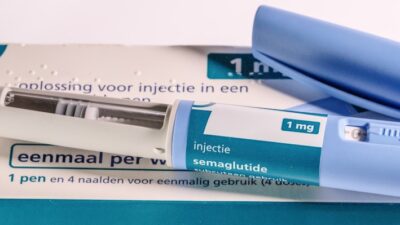
Trulicity (dulaglutide) belongs to the GLP-1 receptor agonist drug class — medications that mimic glucagon-like peptide-1, a natural gut hormone, to improve blood sugar control in type 2 diabetes. The class enhances insulin secretion, suppresses glucagon, slows gastric emptying, and reduces appetite. Other members include semaglutide (Ozempic, Wegovy, Rybelsus), liraglutide (Victoza, Saxenda), exenatide (Byetta, Bydureon), and lixisenatide (Adlyxin). Trulicity is given as a once-weekly subcutaneous injection and has proven cardiovascular benefit from the REWIND trial.
The Class — GLP-1 Receptor Agonists
GLP-1 (glucagon-like peptide-1) is a 30-amino-acid peptide hormone released by intestinal L cells in response to food intake. It binds the GLP-1 receptor — a G-protein-coupled receptor present on pancreatic beta cells, alpha cells, the stomach, the gallbladder, the kidney, and the hypothalamus. Natural GLP-1 has a half-life of less than 2 minutes because the enzyme dipeptidyl peptidase-4 (DPP-4) breaks it down quickly. The drugs in this class are designed to resist DPP-4 degradation, allowing once-daily or once-weekly dosing.
How the Class Works
- Enhances glucose-dependent insulin secretion from pancreatic beta cells — meaning insulin is released only when blood glucose is elevated, so the risk of hypoglycemia is very low
- Suppresses inappropriate glucagon release from alpha cells, reducing liver glucose output
- Slows gastric emptying, which blunts post-meal glucose rises and contributes to satiety
- Acts on appetite centers in the hypothalamus, reducing hunger and food intake
- May improve beta-cell function over time (improved insulin sensitivity is mostly secondary to weight loss)
- Modest blood pressure lowering, partly via natriuretic effects in the kidney
Where Trulicity Fits in the Class
| Generic | Brand | Frequency | Doses | Notable |
|---|---|---|---|---|
| Dulaglutide | Trulicity | Weekly SC | 0.75, 1.5, 3.0, 4.5 mg | GLP-1 fused to IgG4 Fc; ~5 day half-life; CV outcomes data (REWIND) |
| Semaglutide | Ozempic, Wegovy | Weekly SC | 0.25, 0.5, 1.0, 2.0, 2.4 mg | Fatty-acid modified peptide; ~7 day half-life; large CV and weight loss data |
| Semaglutide (oral) | Rybelsus | Daily oral | 3, 7, 14 mg | First oral GLP-1; absorption enhancer SNAC |
| Liraglutide | Victoza (T2D), Saxenda (obesity) | Daily SC | 0.6–1.8 mg (T2D); 3.0 mg (obesity) | Albumin binding; shorter half-life (~13 hr) |
| Exenatide | Byetta (BID), Bydureon BCise (weekly) | Twice daily or weekly SC | 5–10 mcg BID; 2 mg weekly | Synthetic exendin-4 (Gila monster origin) |
| Lixisenatide | Adlyxin | Daily SC | 10–20 mcg | Short-acting; mostly post-prandial effect |
What Makes Dulaglutide Distinct Within the Class
- Structure — two modified GLP-1 peptide molecules attached to a human IgG4 Fc fragment via a peptide linker. The Fc portion provides a long half-life (~5 days) and once-weekly dosing
- Available in pre-filled, single-use auto-injector pens — patients do not see the needle and do not need to handle vials or syringes
- Approved for both type 2 diabetes glycemic control and (since 2020) reduction of major adverse cardiovascular events
- FDA-approved for use in pediatric patients (10 years and older) with type 2 diabetes
- Four dose strengths (0.75, 1.5, 3.0, and 4.5 mg) allow gradual titration for tolerability and stepwise A1C improvement
Class Effects on Key Outcomes
| Outcome | Typical Class Effect | Trulicity Specifically |
|---|---|---|
| A1C reduction | 1.0–1.8% | 1.0–1.6% |
| Weight loss | 2–15 kg depending on agent and dose | 2–4 kg average |
| Systolic BP | 2–6 mmHg reduction | ~3 mmHg reduction |
| LDL cholesterol | Mild reduction | Mild reduction |
| MACE reduction | ~12–26% depending on agent | 12% (REWIND) |
| Heart failure hospitalization | Variable signal across class | Neutral in REWIND |
| Renal outcomes | Reduced albuminuria, slower eGFR decline | Confirmed in REWIND |
| Hypoglycemia (monotherapy) | Very low | Very low |
Common Class Side Effects
- Nausea (the most common — affects 15 to 25 percent during dose escalation)
- Vomiting
- Diarrhea
- Constipation
- Abdominal pain or cramping
- Decreased appetite
- Indigestion or reflux
- Fatigue (less common)
- Mild injection site reactions (redness, itching, small bump)
- Headache
Serious Class Risks
- Boxed warning: thyroid C-cell tumors — based on rodent studies showing medullary thyroid carcinoma; the relevance to humans is not established but the warning applies to the whole class
- Contraindicated in personal or family history of medullary thyroid carcinoma or MEN2 syndrome
- Pancreatitis — uncommon but reported with all GLP-1 agonists; discontinue if pancreatitis is suspected
- Acute kidney injury — usually in setting of severe nausea, vomiting, dehydration
- Gallbladder disease — gallstones and cholecystitis at higher rates than placebo, particularly with rapid weight loss
- Diabetic retinopathy complications — monitor especially with rapid A1C drop in patients with pre-existing retinopathy
- Hypoglycemia when combined with insulin or sulfonylureas (dose reduction of those drugs is often needed)
- Severe gastrointestinal disease — caution in severe gastroparesis
- Hypersensitivity reactions (rare)
- Suicidal ideation — small signal under regulatory review across the class; risk vs benefit individualized
Where the Class Fits in Type 2 Diabetes Treatment
Current American Diabetes Association Standards of Care recommend choosing the second drug after metformin (or first-line in some cases) based on comorbidities rather than purely on A1C effect:
- Established atherosclerotic cardiovascular disease — GLP-1 receptor agonist with proven CV benefit (dulaglutide, semaglutide, liraglutide) or SGLT2 inhibitor
- Heart failure — SGLT2 inhibitor preferred
- Chronic kidney disease — SGLT2 inhibitor preferred (if eGFR allows); GLP-1 receptor agonist as alternative
- Need for weight loss — GLP-1 receptor agonist with strong weight effect (semaglutide, dulaglutide higher doses, tirzepatide)
- Avoid hypoglycemia — DPP-4 inhibitor, SGLT2 inhibitor, GLP-1 agonist, TZD
- Cost is a primary concern — sulfonylurea or TZD generic
For broader context, see treatment options and our A1C levels guide.
How Dulaglutide Compares Within the Class
| Question | Dulaglutide vs Others |
|---|---|
| A1C effect | Comparable to semaglutide and liraglutide at standard doses; semaglutide 2.0 mg and tirzepatide produce slightly more |
| Weight loss | Less than semaglutide 2.4 mg (Wegovy) and less than tirzepatide; comparable to liraglutide and exenatide |
| CV outcomes | Proven MACE reduction (REWIND); semaglutide also proven; liraglutide also proven (LEADER) |
| Convenience | Once weekly; auto-injector pen with hidden needle; one of the easiest devices to use |
| Renal dosing | No dose adjustment for kidney function |
| Cost | Similar to other branded weekly GLP-1 agonists ($900–$1,100/month retail) |
| Pediatric approval | Approved age 10+; one of few GLP-1 RA with pediatric approval |
Practical Considerations for Patients on the Class
- Start at the lowest dose and titrate slowly to minimize GI side effects
- Inject into abdomen, thigh, or upper arm — rotate sites weekly
- Store refrigerated; pens can be at room temperature for up to 14 days if needed
- Pair with calorie reduction and physical activity to maximize benefit
- Carry a glucose source if combined with insulin or sulfonylureas (hypoglycemia risk)
- Hold if persistent vomiting or severe dehydration develops
- Discuss any thyroid lumps, persistent abdominal pain, or unexplained weight loss with the prescriber
- Review periodically — pancreatitis history, gallbladder symptoms, eye exam status
External Reference for Class Mechanism and Trials
The REWIND trial remains the key cardiovascular outcomes study for dulaglutide and a foundational reference for the GLP-1 receptor agonist class. For class-level guidance, the NIDDK overview of diabetes medications provides accessible background.
Related Reading
For more on how Trulicity relates to other GLP-1 drugs, see is Trulicity a semaglutide and Trulicity generic name.
The Bottom Line
Trulicity is in the GLP-1 receptor agonist drug class. Its generic name is dulaglutide. The class works by mimicking the natural gut hormone GLP-1, enhancing glucose-dependent insulin secretion, suppressing glucagon, slowing gastric emptying, and reducing appetite. Class members include dulaglutide (Trulicity), semaglutide (Ozempic, Wegovy, Rybelsus), liraglutide (Victoza, Saxenda), exenatide, and lixisenatide — each a distinct molecule with its own dosing and brand. The class is increasingly preferred as second-line therapy after metformin when cardiovascular disease, obesity, or kidney disease are present. Common side effects are gastrointestinal and usually transient; rare but serious risks include pancreatitis, gallbladder disease, and the boxed warning about thyroid C-cell tumors. Talk with your clinician about whether Trulicity or another GLP-1 drug fits your goals best.