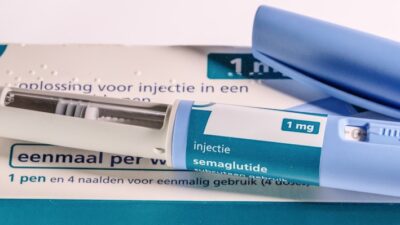
The highest dose of semaglutide depends on which FDA-approved product you are taking. Ozempic (for type 2 diabetes) caps at 2 mg once weekly by injection. Wegovy (for chronic weight management) caps higher at 2.4 mg once weekly. Rybelsus (oral semaglutide for type 2 diabetes) caps at 14 mg once daily. No FDA-approved dose exceeds these maximums.
Maximum Doses by Product
Semaglutide is marketed under three brand names, each with its own indication and dosing ceiling. The ceilings were set by the FDA based on the clinical trial programs supporting each approval — SUSTAIN for Ozempic, STEP for Wegovy, and PIONEER for Rybelsus. Doses above these caps have not been evaluated in regulated trials and are considered off-label.
| Product | Indication | Route | Maximum Dose | Escalation |
|---|---|---|---|---|
| Ozempic | Type 2 diabetes | SC weekly | 2 mg weekly | 0.25 → 0.5 → 1 → 2 mg |
| Wegovy | Chronic weight management | SC weekly | 2.4 mg weekly | 0.25 → 0.5 → 1 → 1.7 → 2.4 mg |
| Rybelsus | Type 2 diabetes | Oral daily | 14 mg daily | 3 → 7 → 14 mg |
Ozempic: 2 mg Weekly
Ozempic was originally approved at a maximum of 1 mg once weekly. In March 2022, the FDA approved the 2 mg dose based on the SUSTAIN FORTE trial, which showed 2 mg produced greater A1C reduction than 1 mg (roughly -2.2% vs -1.9% from baseline) without a significant increase in adverse events.
The standard escalation schedule is: 0.25 mg weekly for 4 weeks (initiation), 0.5 mg weekly for at least 4 weeks, 1 mg weekly for at least 4 weeks, then 2 mg weekly if additional A1C lowering is needed. The 0.25 mg starting dose is not considered therapeutic — it exists to reduce initial gastrointestinal side effects.
Wegovy: 2.4 mg Weekly
Wegovy is a higher-dose formulation of semaglutide approved specifically for chronic weight management in adults and adolescents with obesity or overweight with at least one weight-related comorbidity. The 2.4 mg maximum was selected based on the STEP trials, which demonstrated approximately 15% average weight loss at this dose in non-diabetic adults.
The escalation schedule runs over 16-20 weeks: 0.25 mg for 4 weeks, 0.5 mg for 4 weeks, 1 mg for 4 weeks, 1.7 mg for 4 weeks, then 2.4 mg as the maintenance dose. Clinicians can extend time at any step if side effects are significant, but the final target is 2.4 mg weekly. If a patient cannot tolerate 2.4 mg, 1.7 mg is an acceptable long-term dose per the FDA prescribing information.
Rybelsus: 14 mg Daily
Rybelsus is oral semaglutide approved for type 2 diabetes. Because the oral form has significantly lower bioavailability than subcutaneous injection (roughly 1% oral vs near-complete absorption from injection), mg doses are much higher. The 14 mg daily tablet produces systemic exposure roughly comparable to Ozempic 1 mg weekly.
Rybelsus must be taken on an empty stomach with no more than 4 ounces of plain water, then no food, drink, or other medications for at least 30 minutes. Violating this instruction dramatically reduces absorption. Escalation is 3 mg daily for 30 days, then 7 mg daily for 30 days, then 14 mg daily as the maintenance dose if glycemic goals are not met.
Why Dose Ceilings Exist
FDA-approved doses reflect the ranges actually studied in registration trials. Pharmacology, not labeling, sets physiological limits. Above a certain concentration, GLP-1 receptors are saturated and additional drug produces diminishing glycemic or weight-loss benefit while increasing side-effect burden. Nausea, vomiting, delayed gastric emptying, gallbladder events, and pancreatitis risk tend to rise with higher exposures.
Doses above 2.4 mg weekly have been studied in research settings (up to 3 mg weekly in some investigational protocols) but not approved. Compounded semaglutide products sometimes advertise doses beyond FDA maximums — these are not studied for safety and fall outside approved labeling. Review our treatment hub for broader context on dosing decisions.
Compounded Semaglutide and Dose Claims
During the 2022-2024 semaglutide shortage, compounding pharmacies produced custom-dosed semaglutide that sometimes included doses not available in brand products (for example, microdoses under 0.25 mg or flexible escalations). Some vendors also offered doses exceeding 2.4 mg. These products were not FDA-approved and safety at those doses is unstudied.
As of 2025, with brand semaglutide availability restored, federal law restricts compounding of essentially-copies of approved products. Any telehealth platform still offering doses above 2.4 mg should be evaluated critically. See our related guides on prediabetes basics and treatment safety.
Side Effects at Higher Doses
Gastrointestinal side effects (nausea, vomiting, diarrhea, constipation) are dose-related and most common during escalation. At the 2 mg Ozempic or 2.4 mg Wegovy maximum, roughly 40-50% of patients report nausea at some point, though most cases are mild-to-moderate and resolve within weeks. Other dose-related effects include decreased appetite, fatigue, and rare cases of pancreatitis or gallbladder disease.
If side effects at the maximum dose are intolerable, clinicians may reduce to the next-lower step long-term. This is common and does not require discontinuation. Discuss any persistent symptoms with your prescriber rather than adjusting the dose yourself.
Pregnancy and Kidney Function
Semaglutide is not recommended during pregnancy — discontinue at least 2 months before planned conception per FDA labeling. In moderate-to-severe kidney disease, dose adjustment is not routinely required but clinical monitoring should intensify. According to the American Diabetes Association, GLP-1 receptor agonists carry cardiovascular benefit in patients with established cardiovascular disease, supporting their use at the highest tolerated dose in appropriate candidates.
The Bottom Line
The highest FDA-approved dose of semaglutide is 2 mg weekly for Ozempic, 2.4 mg weekly for Wegovy, and 14 mg daily for Rybelsus. Doses above these are not FDA-approved and lack controlled safety and efficacy data. Escalation over several months minimizes side effects. Always discuss target dose and escalation timing with your prescribing clinician.
This content is for educational purposes only and is not a substitute for professional medical advice. Do not adjust semaglutide dosing without consulting your healthcare provider.