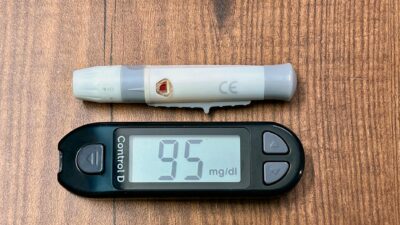
Which organ produces insulin? The pancreas produces insulin. More specifically, insulin is made by beta cells clustered inside structures called the islets of Langerhans, which are scattered throughout the pancreas. Understanding this anatomy explains why prediabetes, type 1 diabetes, and type 2 diabetes behave so differently.
Which Organ Produces Insulin and Where?
The pancreas is a long, soft gland that sits behind the stomach. It has two main jobs. Its exocrine tissue produces digestive enzymes that flow into the small intestine, and its endocrine tissue produces hormones that enter the bloodstream.
The hormone-making part is organized into about one million tiny cell clusters called the islets of Langerhans. Each islet contains several cell types, but the most important for blood sugar are:
- Beta cells — produce insulin in response to rising glucose
- Alpha cells — produce glucagon in response to falling glucose
- Delta cells — produce somatostatin, which regulates the other two
How Insulin Is Made and Released
When you eat carbohydrates, blood glucose rises. Beta cells take up that glucose, which triggers a cascade inside the cell ending with the release of pre-formed insulin granules. Insulin then travels in the bloodstream and binds to insulin receptors on muscle, fat, and liver cells, unlocking glucose uptake.
A healthy pancreas can ramp insulin up and down dozens of times a day. This tight feedback loop is what keeps most people’s blood sugar in a narrow range. You can see the classification targets on our A1C levels page.
What Goes Wrong in Prediabetes
In prediabetes, tissues stop responding to insulin efficiently, a state called insulin resistance. Beta cells compensate by pumping out more insulin, which can keep fasting glucose nearly normal for years. Over time, though, beta cells tire. If the compensation fails, fasting glucose creeps up and A1C climbs into the 5.7-6.4% range. Learn more at our prediabetes overview.
Type 1 vs Type 2: Different Pancreatic Problems
| Condition | Beta Cell Status | Typical Treatment |
|---|---|---|
| Healthy | Function normally | None needed |
| Prediabetes | Overproducing to compensate | Lifestyle, sometimes metformin |
| Type 2 diabetes | Partial failure | Oral drugs, GLP-1, sometimes insulin |
| Type 1 diabetes | Autoimmune destruction | Lifelong insulin replacement |
| Pancreatitis-related diabetes | Damage from inflammation | Depends on remaining function |
How Modern Treatments Support the Pancreas
Several drugs take pressure off beta cells rather than replacing insulin directly:
- Metformin lowers liver glucose output, reducing how much insulin is needed
- GLP-1 receptor agonists like semaglutide enhance glucose-dependent insulin secretion and slow stomach emptying
- SGLT2 inhibitors cause extra glucose to leave via the urine
- Weight loss and exercise restore insulin sensitivity, which can let tired beta cells recover
The American Diabetes Association reviews these options each year in its Standards of Care.
When Insulin Is the Answer
If the pancreas cannot produce enough insulin to keep glucose in range, injected or infused insulin becomes necessary. Everyone with type 1 diabetes needs it; some people with long-standing type 2 diabetes eventually need it as well. Modern analogs mimic the natural release pattern of a healthy pancreas.
Keeping Your Pancreas Happy
Beta cells respond well to steadier blood sugar and less abdominal fat. Practical steps:
- Prioritize non-starchy vegetables, lean protein, and whole grains
- Move for at least 30 minutes most days
- Sleep seven to nine hours per night
- Avoid heavy alcohol, which stresses pancreas tissue
For meal-level detail, see our diet and nutrition section. The CDC also maintains a concise diabetes basics primer.
Other Hormones the Pancreas Makes
The answer to “which organ produces insulin” includes more than insulin. Pancreatic islets also release several other hormones that fine-tune metabolism:
- Glucagon from alpha cells, which raises glucose between meals
- Somatostatin from delta cells, which regulates the release of insulin and glucagon
- Pancreatic polypeptide from PP cells, which influences appetite and digestion
- Ghrelin in small amounts from epsilon cells
In healthy metabolism, insulin and glucagon act as opposing signals. After a meal insulin dominates; after a fast glucagon takes over. When either signal fails, blood sugar regulation breaks down.
How Clinicians Test Pancreatic Function
To decide whether your pancreas is producing enough insulin, clinicians commonly order:
- Fasting blood glucose and A1C
- C-peptide, which reflects your own insulin output since it is released in equal amounts
- Oral glucose tolerance test in unclear cases
- Autoantibody panels (GAD, IA-2, ZnT8) if type 1 diabetes is suspected
A low or absent C-peptide points to beta-cell failure. A normal or high C-peptide with elevated glucose points to insulin resistance, the typical pattern in type 2 diabetes and prediabetes.
The Bottom Line
The pancreas is the organ that produces insulin, through beta cells housed in the islets of Langerhans. When those cells fail partially (type 2 diabetes) or completely (type 1 diabetes), blood sugar rises. Lifestyle changes, modern drugs, and sometimes insulin itself can restore the balance. Talk to your clinician about which approach fits your numbers.
Medical disclaimer: This article is for educational purposes only and is not a substitute for professional medical advice, diagnosis, or treatment. Always seek the guidance of your physician or other qualified health provider with any questions you may have regarding a medical condition or medication.