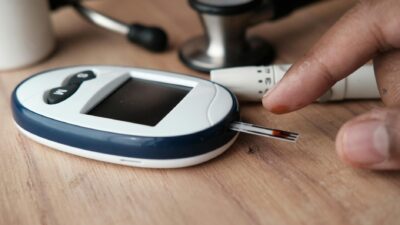
A 145 blood sugar reading is elevated for a fasting test and in the diabetes range, but it can be perfectly acceptable one hour after a meal. Context determines everything: when you tested, what you ate, and whether you already have a diabetes diagnosis all change how concerning a 145 mg/dL value really is.
What a 145 Blood Sugar Reading Actually Means
Blood glucose rises and falls throughout the day. A single number in isolation does not tell you whether your metabolism is healthy. Interpreting a 145 mg/dL reading requires two pieces of information: the timing relative to food and your diagnostic status.
If you are nondiabetic and the reading was taken first thing in the morning without eating for at least eight hours, 145 is meaningfully elevated. If the same number appears an hour after breakfast, it is closer to expected. If you already live with type 1 or type 2 diabetes, 145 two hours after a meal actually beats the standard target range set by the American Diabetes Association.
145 Blood Sugar in Context: Fasting vs Post-Meal Targets
The chart below pulls together the standard cut-points used by the American Diabetes Association and the Centers for Disease Control and Prevention for adults who are not pregnant.
| Test Timing | Normal | Prediabetes | Diabetes | Where 145 Falls |
|---|---|---|---|---|
| Fasting (8+ hours no food) | Under 100 mg/dL | 100 to 125 mg/dL | 126 mg/dL or higher | Diabetes range |
| 2-hour oral glucose tolerance test | Under 140 mg/dL | 140 to 199 mg/dL | 200 mg/dL or higher | Prediabetes range |
| Random (any time) | Under 140 mg/dL | 140 to 199 mg/dL | 200 mg/dL or higher with symptoms | Mildly elevated |
| 1-hour post-meal | Under 140 mg/dL (nondiabetic) | N/A | Under 180 mg/dL (diabetic target) | Acceptable |
| 2-hour post-meal (diabetic target) | Under 140 mg/dL | N/A | Under 180 mg/dL target | Under target |
Why Timing Changes a 145 Blood Sugar Reading
Your pancreas releases insulin in response to rising glucose after you eat. In a healthy adult, glucose peaks roughly 60 to 90 minutes after a meal and returns toward baseline within two to three hours. A postprandial spike into the 140s is part of normal physiology, especially after a carb-heavy plate.
Fasting is different. After an overnight fast, your liver releases a steady trickle of glucose to fuel your brain. Insulin should hold that trickle below 100 mg/dL in a metabolically healthy adult. When fasting numbers climb into the 145 zone, it suggests either your pancreas is not producing enough insulin or your cells are resistant to the insulin you make. That is the hallmark of type 2 diabetes.
What to Do If You See 145 on Your Meter
One reading is never enough to make a diagnosis or change a treatment plan. Use the following framework:
- Check the context. How long since your last meal? Did you drink anything with sugar, including coffee with cream? Were you stressed or sick? All of these shift glucose.
- Retest if fasting. If 145 appeared on an 8-hour fasted test, repeat the test another morning. A single elevated fasting number can reflect the dawn phenomenon or lab variability.
- Get an A1C. The hemoglobin A1C test averages glucose over roughly three months and is less sensitive to day-to-day swings. Any adult with a fasting glucose in the diabetes range should confirm with A1C.
- Talk to your clinician. Do not self-diagnose or start new medications on the basis of one number. Your medical team will look at trends, symptoms, and risk factors together.
145 Blood Sugar and Long-Term Risk
If repeated fasting values sit around 145, your estimated A1C is roughly 6.7 percent, which is above the 6.5 percent cutoff for diabetes. Left untreated, chronic hyperglycemia raises the risk of cardiovascular disease, kidney injury, retinopathy, and nerve damage. The good news is that early intervention — lifestyle change, and when appropriate medication — can pull values back toward target and prevent most complications.
If you are newly identifying with prediabetes or diabetes-range numbers, start with the Prediabetes 101 hub to understand the condition, review the A1C levels guide, and explore practical food choices through our diet and nutrition resources. According to the Centers for Disease Control and Prevention, early detection and intervention reduce progression to type 2 diabetes by more than 50 percent in high-risk adults.
The Bottom Line
A 145 blood sugar reading is not automatically alarming, but it is never meaningless. Fasting values this high meet diagnostic criteria for diabetes and require confirmation. Post-meal values in the 140s are generally fine for adults with diabetes and may even be normal for those without. Track your readings, note the timing, and bring the full picture to your clinician.
Medical disclaimer: This article is for educational purposes only and does not replace personalized medical advice. Always consult your healthcare provider before changing medications, diet, or treatment plans.