A low glycemic food is any carbohydrate-containing food that raises blood sugar slowly and modestly. Measured on the glycemic index scale, low-GI foods score 55 or less. Building meals around low-GI carbs — lentils, berries, oats, yogurt, nuts, and most non-starchy vegetables — helps flatten post-meal glucose spikes, a core goal for anyone managing prediabetes, diabetes, or insulin resistance.
What the Glycemic Index Actually Measures
The glycemic index ranks carbohydrate foods by how much they raise blood glucose over two hours compared with pure glucose, which is set at 100. A food’s GI depends on its fiber content, processing, cooking method, acidity, and presence of fat or protein. The three categories most guides use:
| GI Category | Score | Examples |
|---|---|---|
| Low | 55 or less | Lentils, chickpeas, oats, apples, berries, plain yogurt, nuts, carrots |
| Medium | 56 to 69 | Whole wheat bread, sweet potato, brown rice, pineapple, honey |
| High | 70 or above | White bread, white rice, cornflakes, russet potato, watermelon |
Why Glycemic Load Matters More in Real Life
The glycemic index tests a fixed 50-gram carbohydrate portion of each food, which rarely matches what you eat. Watermelon has a GI of 72, but a one-cup serving only has 11 grams of carbs, making its glycemic load (GL) a mild 5. Glycemic load is calculated as GI times grams of carbohydrate divided by 100. Categories are:
- Low GL: 10 or less per serving
- Medium GL: 11 to 19
- High GL: 20 or more
For practical meal planning, GL is often more useful than GI because it reflects a real portion.
Low Glycemic Food by Category
Legumes and pulses (GI 15 to 35)
Lentils, chickpeas, black beans, kidney beans, split peas, navy beans, and soybeans. High in soluble fiber and resistant starch that slow glucose release. A half cup of cooked lentils delivers 9 grams of protein and 8 grams of fiber at a GL of 5.
Whole, intact grains (GI 40 to 55)
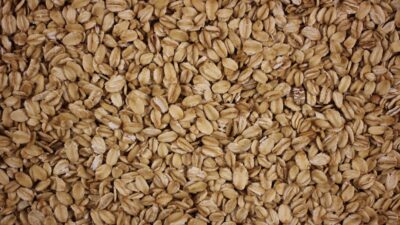
Steel-cut oats, rolled oats, barley, bulgur, quinoa, wheat berries, and farro. The more intact the kernel, the lower the GI. Highly processed grains — instant oatmeal, puffed rice, cornflakes — have GI values in the 70s and 80s.
Non-starchy vegetables (GI under 15)
Leafy greens, broccoli, cauliflower, zucchini, peppers, mushrooms, asparagus, green beans, eggplant, and tomatoes. These are essentially free foods from a blood-sugar standpoint. Fill half your plate with them.
Starchy vegetables (GI 40 to 65)
Sweet potatoes, winter squash, and carrots are moderate GI. White russet potatoes are high GI; boiling and cooling them to eat cold (e.g., potato salad) creates resistant starch and lowers the effective GI.
Fruits (GI 25 to 55)
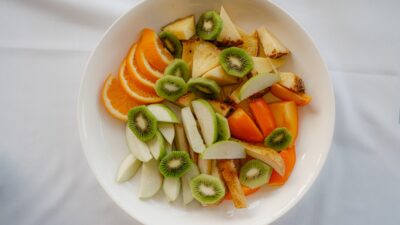
Berries, cherries, plums, apples, pears, peaches, grapefruit, oranges, and kiwi are reliably low. Bananas, mangoes, and pineapple climb higher. Pair fruit with nuts or cheese to blunt the response.
Dairy and alternatives (GI 15 to 40)
Plain Greek yogurt, cottage cheese, unsweetened kefir, and whole milk are low GI. Sweetened yogurts and flavored milks can jump to moderate or high. Unsweetened soy milk is low; rice milk is high.
Nuts and seeds (GI under 20)
Almonds, walnuts, pistachios, pecans, chia, flax, and hemp seeds. Low carb, high fat and fiber. Portion matters for calories, but they rarely affect blood sugar significantly.
How to Make Any Meal Lower Glycemic
- Add protein. Eggs, fish, poultry, tofu, or Greek yogurt slow gastric emptying.
- Add fat. Olive oil, avocado, nuts, or seeds lower the glucose peak.
- Add acid. Vinegar, lemon juice, or sourdough fermentation flatten the post-meal rise.
- Prefer whole over processed. Intact grains beat flour; whole fruit beats juice.
- Watch portion size. Even low-GI carbs add up if portions are huge.
- Walk after meals. Ten to fifteen minutes of light movement cuts the glucose spike by 20 to 30 percent in many people.
Sample Low Glycemic Day
- Breakfast: Steel-cut oats with walnuts, chia seeds, and berries (GL ~10)
- Lunch: Lentil and vegetable soup with a side salad dressed in olive oil and vinegar (GL ~8)
- Snack: Apple with 2 tablespoons of almond butter (GL ~7)
- Dinner: Grilled salmon, roasted non-starchy vegetables, and quinoa (GL ~11)
- Evening: Plain Greek yogurt with cinnamon (GL ~4)
Evidence for Low Glycemic Eating
A 2019 Cochrane systematic review found that low-GI diets modestly reduced A1C and fasting glucose in adults with type 2 diabetes. The American Diabetes Association’s Standards of Care list low-GI eating as one of several evidence-backed dietary patterns, alongside Mediterranean, DASH, and plant-based approaches. According to the Harvard T.H. Chan School of Public Health, combining low-GI foods with high-fiber whole foods is more effective than focusing on GI numbers alone.
For more on dietary patterns that help manage blood sugar, explore our diet and nutrition hub. If you are new to prediabetes or insulin resistance, start with our Prediabetes 101 overview.
The Bottom Line
Low glycemic food is slow-release carbohydrate. Lentils, berries, oats, yogurt, and nuts form the backbone of a low-GI pattern. Use glycemic load rather than index for real portions, pair carbs with protein and fat, and favor intact whole foods over processed versions. The combination produces steadier glucose without forcing you to give up carbs entirely.
Medical disclaimer: This article is for educational purposes only and does not replace personalized medical advice. Always consult your healthcare provider or registered dietitian before making significant changes to your diet or diabetes management plan.