The best foods for insulin resistance are high in fiber, protein, and healthy fats, and low in refined sugar and ultra-processed starch. Think non-starchy vegetables, legumes, fatty fish, eggs, Greek yogurt, nuts, seeds, berries, and intact whole grains. These foods slow digestion, lower post-meal glucose peaks, and reduce the amount of insulin your pancreas has to produce.
Why Food Composition Matters So Much
Insulin resistance means your muscle, liver, and fat cells respond sluggishly to insulin, so your pancreas compensates by producing more of it. Over years, that extra output strains beta cells and pushes fasting glucose upward. The foods you eat at each meal directly shape how much insulin is needed. A meal of white rice and sweet tea demands a massive insulin surge; the same calories from lentils, salmon, and salad demand far less.
Three food properties drive insulin demand down: fiber slows carbohydrate absorption, protein triggers satiety and has minimal glucose impact, and fat (especially monounsaturated and omega-3 fats) delays gastric emptying without raising glucose. Foods that deliver all three in a single bite — like a handful of almonds or a chickpea salad — are the easiest insurance against spikes.
The Core Grocery List
| Category | Top Picks | Why It Helps |
|---|---|---|
| Non-starchy vegetables | Spinach, kale, broccoli, cauliflower, zucchini, peppers, asparagus | Near-zero glucose impact, high fiber, micronutrient density |
| Legumes | Lentils, black beans, chickpeas, edamame | High soluble fiber plus plant protein, slow-release carbs |
| Fatty fish | Salmon, sardines, mackerel, trout | Omega-3s reduce inflammation, improve insulin signaling |
| Eggs and dairy | Whole eggs, Greek yogurt, cottage cheese | Complete protein, minimal glucose impact |
| Nuts and seeds | Almonds, walnuts, pumpkin seeds, chia, flax | Fiber, magnesium, healthy fat — all linked to better insulin sensitivity |
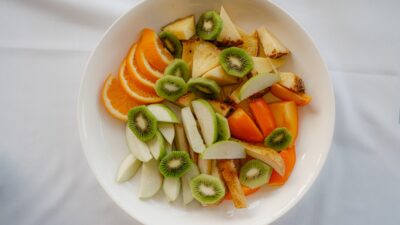
| Berries and low-sugar fruit | Blueberries, raspberries, strawberries, apples | Polyphenols (anthocyanins) improve glucose disposal |
| Whole grains (intact) | Steel-cut oats, quinoa, barley, farro | Slower digestion than ground flour, more fiber per bite |
| Healthy fats | Extra virgin olive oil, avocado, olives | Monounsaturated fat improves membrane insulin signaling |
Foods That Work Against You
Reducing insulin resistance is as much about subtraction as addition. The highest-impact foods to cut back on:
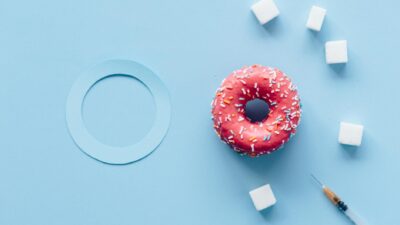
- Sugar-sweetened beverages — soda, sweet tea, energy drinks, specialty coffee drinks. Liquid sugar enters the bloodstream with almost no friction.
- Refined grains — white bread, white rice, pretzels, most breakfast cereals. Fiber has been stripped, so starch converts to glucose quickly.
- Ultra-processed snacks — chips, crackers, pastries, granola bars with added sugar. Industrial formulation makes them hyperpalatable and glucose-heavy.
- Processed meats with added sugar — many bacon, ham, and sausage products include dextrose or maple syrup.
- Alcohol in large amounts — beer and sweet cocktails raise glucose and worsen insulin signaling in the liver.
Plate Method: How to Assemble Meals
Rather than counting exchanges, use the American Diabetes Association plate method popularized in the diet and nutrition hub. Fill half your plate with non-starchy vegetables, one quarter with lean protein, and one quarter with a whole-food carbohydrate. Add a thumb of healthy fat. This structure does the work of macro tracking without any math.
A few worked examples:
- Breakfast: Two eggs scrambled with spinach, half an avocado, half a cup of berries
- Lunch: Grilled salmon, large mixed salad with olive oil, half a cup of quinoa
- Dinner: Chicken thighs, roasted broccoli and cauliflower, half a cup of lentils
- Snack: Greek yogurt with walnuts and a handful of raspberries
Meal-Pairing Strategies That Flatten Spikes
Continuous glucose monitor data from healthy and prediabetic adults shows that pairing a carbohydrate with protein or fat cuts the post-meal peak by 20 to 40 percent compared with eating the carb alone. Apple slices with almond butter spike less than apple alone. Rice with chicken and vegetables spikes less than rice alone. Starting a meal with vegetables or protein before touching the carbs produces an even smaller curve, a strategy sometimes called “food sequencing.”
According to the NIDDK overview of insulin resistance, losing 5 to 7 percent of body weight alongside these dietary shifts can cut progression to type 2 diabetes by more than half. The Diabetes Prevention Program confirmed that number in a multi-year randomized trial.
What About Supplements and “Blood Sugar” Products?
Berberine, chromium, magnesium, and cinnamon appear in many insulin-resistance protocols. The evidence is mixed; magnesium has the strongest support because deficiency is common and correction helps, while cinnamon shows modest short-term effects in some trials. None replace food-first changes, and some (like berberine) interact with medications. Discuss with your clinician before starting any supplement, especially if you are already on prediabetes or diabetes medication.
The Bottom Line
The best foods for insulin resistance are the ones your great-grandmother would recognize: vegetables, beans, fish, eggs, nuts, berries, and intact grains. Build plates using the half-quarter-quarter rule, pair carbs with protein and fat, and cut the biggest offenders (sugary drinks and refined snacks) first. The goal is a sustainable pattern, not a perfect week. Small consistent shifts over months are what improve A1C and fasting insulin.
This article is for educational purposes and does not replace personalized advice from your healthcare provider. Talk with your doctor or a registered dietitian before making major dietary changes, especially if you take diabetes medication.