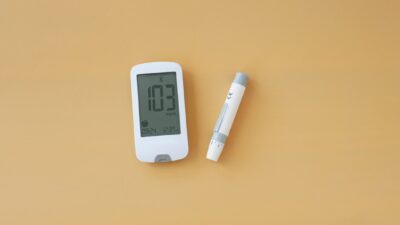
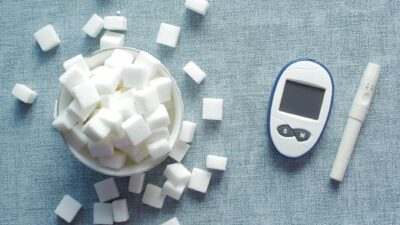
What to eat if blood sugar is low: the American Diabetes Association recommends 15 grams of fast-acting carbohydrate, such as 3-4 glucose tablets, 4 ounces of regular juice or soda, or 1 tablespoon of honey. Wait 15 minutes and recheck. Repeat if you are still below 70 mg/dL. Once you are back in range, follow with a balanced snack to prevent a rebound drop.
What Counts as Low Blood Sugar?
According to the American Diabetes Association and the CDC, the levels of hypoglycemia are:
| Level | Glucose | Action |
|---|---|---|
| Level 1 (mild) | 54-69 mg/dL | Treat with 15 g fast carbs; recheck in 15 min |
| Level 2 (clinically significant) | Under 54 mg/dL | Treat immediately; risk of severe symptoms is high |
| Level 3 (severe) | Any level with altered mental state or inability to self-treat | Glucagon and emergency care |
Common early symptoms include shakiness, sweating, fast heartbeat, hunger, irritability, headache, dizziness, and difficulty concentrating. More severe symptoms are confusion, blurred vision, slurred speech, seizure, and loss of consciousness.
The ADA Rule of 15
The Rule of 15 is the gold-standard response for mild to moderate hypoglycemia:
- Consume 15 grams of fast-acting carbohydrate.
- Wait 15 minutes for the sugar to absorb.
- Recheck your blood sugar with a meter or CGM.
- If still below 70 mg/dL, repeat with another 15 grams.
- Once above 70 mg/dL, eat a small balanced snack if your next meal is more than an hour away.
According to the CDC, the Rule of 15 prevents overcorrection that leads to high blood sugar swings. Eating an entire candy bar or handful of cookies usually overshoots and can leave you higher than your target for hours.
Exact 15-Gram Fast-Carb Options
| Food | Serving for 15 g Carbs |
|---|---|
| Glucose tablets | 3 or 4 tablets (check label, usually 4 g each) |
| Glucose gel | 1 tube |
| Regular fruit juice (orange, apple, grape) | 4 oz (half a cup) |
| Regular soda (non-diet) | 4 oz |
| Honey, syrup, or table sugar | 1 tablespoon |
| Skim milk | 1 cup |
| Hard candy | 6-8 small pieces |
| Raisins | 2 tablespoons |
| Jelly beans | 15 small jelly beans |
Foods to Avoid During a Low
Fat and protein slow gastric emptying, which delays glucose absorption. Skip these during an active low:
- Chocolate and chocolate bars.
- Peanut butter or nut butters.
- Ice cream.
- Bread with butter, cheese, or deli meat.
- Whole milk or full-fat yogurt.
Diet soda also does not work because it has no glucose. Save the balanced snack for after your blood sugar is back above 70 mg/dL.
After the Low: What to Eat to Prevent a Rebound
Once glucose is above 70 mg/dL and stable, and your next meal is more than an hour away, eat a small snack that combines carbohydrate with protein and/or fiber. Examples:
- Whole-grain crackers with a slice of cheese.
- An apple with a tablespoon of peanut butter.
- Half a turkey sandwich on whole-grain bread.
- Greek yogurt with berries.
- A hard-boiled egg with whole-grain toast.
For broader meal-planning principles, see the diet and nutrition hub.
Severe Hypoglycemia: When Food Is Not Enough
If blood sugar is under 54 mg/dL or the person is confused, seizing, or unconscious, do not try to feed them. Aspiration is a real danger. Instead:
- Administer glucagon (injection or nasal Baqsimi) if available.
- Call 911 or your local emergency number.
- Turn the person on their side to protect the airway.
- Stay with them until help arrives.
According to the ADA Standards of Care in Diabetes 2024, anyone at risk of severe hypoglycemia (most commonly adults on insulin or sulfonylureas) should be prescribed glucagon and taught how to use it along with one or more caregivers.
Who Is Most at Risk of Lows?
- People with type 1 diabetes on insulin.
- People with type 2 diabetes on insulin or sulfonylureas (glipizide, glyburide, glimepiride) or meglitinides.
- Older adults with kidney or liver impairment.
- People who skip meals, drink alcohol on an empty stomach, or exercise heavily.
- People with a history of hypoglycemia unawareness.
Drugs like GLP-1 agonists (Ozempic, Wegovy, Trulicity) and SGLT-2 inhibitors carry a low risk of hypoglycemia on their own but can amplify lows when combined with insulin.
Why Food Alone Is Sometimes Not Enough
Some causes of low blood sugar require more than a quick snack:
- Too much insulin or sulfonylurea dose taken relative to food intake.
- Delayed meal after an insulin dose.
- Unexpected physical activity.
- Alcohol without food.
- Kidney or liver dysfunction that slows insulin clearance.
If your lows happen frequently, talk with your clinician about adjusting medication doses. Frequent lows can lead to hypoglycemia unawareness, where you stop feeling warning symptoms until levels are dangerously low.
Treating a Low When You Use a CGM
If you wear a CGM, use it as a trend tool, not a single-reading ruler when you feel symptoms of a low. Interstitial readings can lag blood glucose by 5 to 15 minutes during rapid changes. If your CGM shows 75 mg/dL with a straight-down arrow and you feel shaky, treat the low. If you are uncertain, confirm with a fingerstick.
For context on glucose targets and A1C, see the A1C levels hub.
Preventing the Next Low
- Check your glucose before and after exercise.
- Carry 15-gram carb sources with you at all times.
- Never skip meals when taking insulin or sulfonylureas.
- Eat food whenever you drink alcohol.
- Review medication doses with your clinician every few months.
- Alert family members or coworkers if you are prone to severe lows.
The Bottom Line
What to eat if blood sugar is low: grab 15 grams of fast-acting carbohydrate (glucose tabs, 4 oz juice, or 1 tablespoon of honey), wait 15 minutes, and recheck. Repeat if needed, and follow up with a balanced snack once you are above 70 mg/dL. If the person is unable to eat safely, seizing, or unconscious, give glucagon and call 911. Frequent lows deserve a conversation with your clinician about medication and meal timing.
Medical disclaimer: This article is for educational purposes only and is not a substitute for professional medical advice, diagnosis, or treatment. Always consult your physician or qualified healthcare provider with any questions about a medical condition or medication.