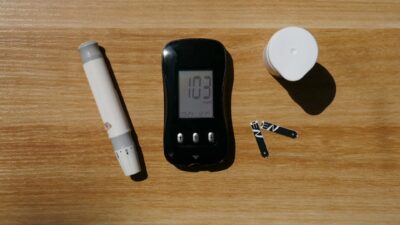
A blood sugar of 153 mg/dL is high in any context, but what it means depends on when it was measured. A fasting reading of 153 falls in the diabetes range that the American Diabetes Association defines as 126 mg/dL or higher. A post-meal value of 153 is elevated for a non-diabetic person (whose 1-2 hour target is under 140 mg/dL) but is often within the post-meal target of under 180 mg/dL for people with established diabetes. The action plan depends entirely on the timing.
153 in Context: Where It Falls on the ADA Scale
| Test | Normal | Prediabetes | Diabetes | Where 153 Falls |
|---|---|---|---|---|
| Fasting (mg/dL) | Under 100 | 100-125 | 126 or higher | Diabetes range |
| 2-hour OGTT (mg/dL) | Under 140 | 140-199 | 200 or higher | Prediabetes range |
| Random / 1-2 hr post-meal (mg/dL) | Under 140 (non-diabetic) | 140-199 | 200 or higher (with symptoms) | Above non-diabetic target |
| A1C (%) | Under 5.7 | 5.7-6.4 | 6.5 or higher | (reference) |
If You Are Fasting
A morning fasting reading of 153 mg/dL is concerning. It is above the 126 mg/dL diabetes diagnostic threshold and well above the 100 mg/dL normal cutoff. One reading is not a diagnosis, but it is a clear signal to:
- Repeat a fasting blood glucose test on a different day under proper conditions (8-12 hour fast, water only).
- Schedule an A1C test, which reflects average glucose over the previous 2-3 months.
- Tell your clinician about any symptoms: increased thirst, frequent urination, blurred vision, fatigue, or unexplained weight loss.
- Review medications. Steroids, thiazide diuretics, beta-blockers, and atypical antipsychotics can raise fasting glucose.
For background on what these tests mean, see the A1C levels hub.
If You Just Ate
A 1-2 hour post-meal value of 153 mg/dL is elevated for a non-diabetic adult (target under 140) but is within the post-meal goal of under 180 mg/dL for many adults with established diabetes. Common contributors to a 153 post-meal reading include:
- Refined carbohydrates: white bread, white rice, sugary cereal, pastries, juice, soda
- Large portion sizes
- Eating quickly without protein, fat, or fiber
- Late-evening meals when insulin sensitivity is lower
- Skipped or delayed prescribed medication
If you do not have diabetes and you regularly see 1-2 hour readings of 140 or higher, that is a reason to ask your clinician about an oral glucose tolerance test or A1C.
Common Causes of a Single 153 Reading
- High-glycemic meal: a bagel and orange juice can push a non-diabetic post-meal value above 150.
- Stress hormones: cortisol from a tough morning meeting raises hepatic glucose output.
- Illness: even a mild cold can raise blood sugar by 20-40 mg/dL.
- Poor sleep: one short night reduces insulin sensitivity by up to 30 percent the next day.
- Missed medication: forgetting a metformin dose or insulin can leave glucose unchecked.
- The dawn phenomenon: a normal early-morning hormone surge that elevates fasting values.
- New or undiagnosed type 2 diabetes: especially if 153-level readings are recurring.
What to Do Right Now to Lower a Reading
For a single elevated reading without symptoms of diabetic ketoacidosis (DKA) or severe hyperglycemia:
- Drink a tall glass of water to support kidney clearance of glucose.
- Take a 15-30 minute brisk walk if it is safe and comfortable.
- Avoid additional carbohydrates for the next 2-3 hours.
- Recheck your glucose in 1-2 hours to see the trend.
Seek urgent medical care if you have nausea, vomiting, abdominal pain, fruity breath, rapid breathing, confusion, or readings persistently over 240 mg/dL with ketones present.
Long-Term Strategies to Bring 153 Down
- Lose 5-7 percent of body weight if you are overweight; this single change can lower fasting glucose by 10-20 mg/dL.
- Aim for 150 minutes per week of moderate-intensity activity (brisk walking, swimming, cycling).
- Eat lower-glycemic meals: lean protein, healthy fats, non-starchy vegetables, and slow-digesting carbohydrates like beans, whole grains, and berries. Try the prediabetes diet and nutrition hub for specific guidance.
- Sleep 7-9 hours per night on a consistent schedule.
- Manage stress with breathing exercises, mindfulness, or therapy.
- Adhere to prescribed medications consistently, including any GLP-1 agonists, metformin, or insulin.
According to the CDC, lifestyle intervention can lower the risk of progression from prediabetes to type 2 diabetes by 58 percent.
When to Call Your Doctor
- You see fasting readings of 153 or higher on two separate days
- You have symptoms of diabetes (thirst, urination, weight loss, fatigue, blurred vision)
- You have post-meal readings consistently above 180 mg/dL
- You feel unwell with a high reading: nausea, vomiting, fast breathing, fruity breath
- You are pregnant and any reading is in the gestational diabetes range
The Bottom Line
A blood sugar of 153 mg/dL is high but its meaning depends on the timing. Fasting at 153 is in the diabetes range and needs prompt confirmatory testing. Post-meal at 153 is elevated for a non-diabetic but is within target for many people with diabetes. Either way, log the reading, check for contributing factors, and bring it to your clinician along with an A1C for a complete picture.
Medical disclaimer: This article is for educational purposes only and is not a substitute for professional medical advice, diagnosis, or treatment. Always consult your physician or qualified healthcare provider with any questions about a medical condition or medication.