Low blood sugar (hypoglycemia) has many causes. In people with diabetes, the most common are excess insulin, sulfonylurea medications, missed meals after dosing, exercise, and alcohol. In people without diabetes, hypoglycemia is usually reactive (after a high-carb meal), alcohol-related, or tied to fasting, certain medications, or post-bariatric dumping syndrome. Treatment in either case starts with the Rule of 15.
What Counts as Low Blood Sugar
The American Diabetes Association defines three levels of hypoglycemia:
| Level | Glucose | Description |
|---|---|---|
| Level 1 (alert) | Less than 70 mg/dL | Treat with fast-acting carbohydrate. |
| Level 2 (clinically significant) | Less than 54 mg/dL | Higher risk of cognitive impairment and severe outcomes. |
| Level 3 (severe) | Any value with cognitive impairment requiring assistance | Glucagon or emergency care may be needed. |
Causes in People With Diabetes
Insulin
Too much rapid- or long-acting insulin relative to carbohydrate intake or activity level is the most common cause of hypoglycemia in type 1 and insulin-treated type 2 diabetes. Common scenarios include miscalculated meal boluses, stacking correction doses too close together, or basal doses set too high.
Sulfonylureas (Glipizide, Glyburide, Glimepiride)
These drugs stimulate insulin release regardless of glucose level. Older agents (glyburide especially) carry a high hypoglycemia risk, particularly in older adults and people with kidney impairment. The American Diabetes Association recommends caution with sulfonylureas in older adults precisely for this reason.
Missed Meal After Dose
Taking a meal-time insulin or sulfonylurea and then skipping or delaying the meal is a frequent trigger.
Exercise
Activity increases insulin sensitivity for hours afterward. Without adjusting insulin or adding a snack, exercise can drop glucose during, immediately after, or even 6 to 12 hours later (delayed post-exercise hypoglycemia).
Alcohol
Alcohol blocks the liver’s release of glucose. People on insulin or sulfonylureas are at high risk for delayed hypoglycemia hours after drinking, especially if they did not eat.
Other Triggers
- Kidney dysfunction prolongs insulin and sulfonylurea effects.
- Recent weight loss reduces insulin requirements.
- New medications that interact (some antibiotics, beta blockers).
- Hot weather and saunas can speed insulin absorption.
Causes in People Without Diabetes
Reactive (Post-Prandial) Hypoglycemia
The most common non-diabetic cause. After a high-carb or sugary meal, the pancreas releases a large insulin pulse. In some people, the insulin response overshoots, dropping glucose 2 to 4 hours later. Symptoms can include shakiness, sweating, and hunger after meals. Smaller, more balanced meals with fiber and protein typically prevent it.
Alcohol-Induced
Alcohol on an empty stomach blocks hepatic glucose release and can cause hypoglycemia even in people without diabetes.
Prolonged Fasting
Skipping meals for many hours, particularly during illness or after an unusually heavy workout, can drop glucose modestly. This is usually mild and self-corrects with food.
Medications
Certain medications can lower glucose in non-diabetic adults — quinine, pentamidine, some antibiotics, and accidental ingestion of someone else’s diabetes medication.
Post-Bariatric Dumping Syndrome
After Roux-en-Y gastric bypass and some other bariatric procedures, rapid carbohydrate delivery to the small intestine can trigger an exaggerated insulin response and late hypoglycemia 1 to 3 hours after eating. Diet modification (small, low-glycemic meals, separating fluids from solids) is the first-line management.
Rare Causes
- Insulinoma: A rare insulin-secreting tumor of the pancreas; produces fasting hypoglycemia.
- Adrenal insufficiency (Addison’s disease): Lack of cortisol impairs glucose mobilization.
- Sepsis or critical illness.
- Severe liver disease.
- Non-islet cell tumors producing IGF-2.
Recurrent hypoglycemia in someone without diabetes warrants medical evaluation, including timing relative to meals and a fasting glucose-insulin-C-peptide panel.
Recognizing the Symptoms
| Mild to Moderate | Severe |
|---|---|
| Shakiness, trembling | Confusion, slurred speech |
| Sweating, clamminess | Loss of coordination |
| Hunger | Inability to swallow |
| Irritability or anxiety | Seizure |
| Fast heartbeat | Loss of consciousness |
| Headache, dizziness | — |
Some people with long-standing diabetes develop hypoglycemia unawareness — they no longer feel the early warning signs. Continuous glucose monitoring is particularly valuable in that group.
Treatment: The Rule of 15
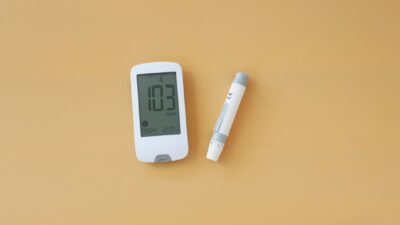
- Check blood sugar. If less than 70 mg/dL, treat.
- Take 15 grams of fast-acting carbohydrate. Examples: 4 oz (half cup) of fruit juice or regular soda, 3 to 4 glucose tablets, 1 tablespoon of honey or sugar, 5 to 6 hard candies (not chocolate — fat slows absorption).
- Wait 15 minutes.
- Recheck blood sugar. If still below 70, repeat.
- Once above 70, eat a snack with carbohydrate and protein if your next meal is more than an hour away.
For severe hypoglycemia (unable to swallow safely, unconscious), a caregiver should administer glucagon (nasal spray or injection) and call emergency services.
Preventing Future Lows
- If you are on insulin or a sulfonylurea, log every low and review patterns with your clinician.
- Eat regular meals at predictable times.
- Adjust insulin or carbohydrate intake before exercise.
- Avoid alcohol on an empty stomach.
- Carry fast-acting carbs at all times if you are at risk.
- Consider a continuous glucose monitor if you have hypoglycemia unawareness or frequent lows.
Broader background lives in our treatment guide and in our overview of symptoms across the glucose spectrum.
When to Seek Medical Care
- Severe hypoglycemia requiring assistance from another person.
- Recurrent lows despite medication or lifestyle adjustments.
- Hypoglycemia in a non-diabetic adult that occurs more than once.
- Symptoms that persist after standard treatment.
- Any episode with loss of consciousness or seizure.
The Bottom Line
Low blood sugar is most often a side effect of diabetes treatment, but it can occur in non-diabetic adults from reactive responses, alcohol, prolonged fasting, post-bariatric anatomy, or rare endocrine causes. The treatment is fast carbs and a recheck in 15 minutes. The prevention is consistent meals, calibrated medication, mindful alcohol use, and a conversation with your clinician about why lows are happening.