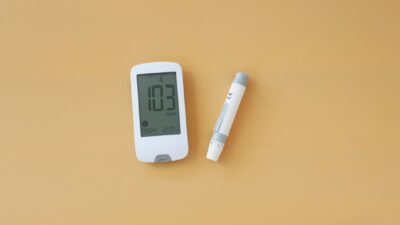
No, pure stevia does not directly raise blood sugar. Steviol glycosides, the sweet compounds extracted from the stevia plant, pass through the digestive tract without being absorbed as glucose. Most randomized trials show neutral or even slightly favorable effects on post-meal glucose and insulin compared with table sugar. The catch is that some packaged Stevia products contain other ingredients that can affect blood sugar.
What Stevia Actually Is
Stevia comes from the leaves of Stevia rebaudiana, a South American shrub. The intensely sweet compounds are called steviol glycosides; the most common are stevioside and rebaudioside A (Reb A). They are 200 to 400 times sweeter than sucrose, so a tiny amount delivers strong sweetness without adding meaningful calories or carbohydrates.
The FDA recognizes high-purity steviol glycosides as Generally Recognized as Safe (GRAS) for use as a sweetener. Whole stevia leaf and crude extracts are not approved as food additives in the United States.
How Stevia Behaves in Your Body
When you eat steviol glycosides, gut bacteria convert them to steviol, which is absorbed, processed by the liver, and excreted in urine. None of these steps produce glucose, so your blood sugar does not rise from the sweetener itself. This is the core reason it has become a popular option for people managing prediabetes or diabetes; learn more in our prediabetes diet overview.
What the Trials Show
A frequently cited 2010 trial by Anton and colleagues compared stevia, aspartame, and sucrose preloads before lunch and dinner in lean and obese adults. The stevia group had lower post-meal glucose and insulin levels than the sucrose group, with no compensatory increase in calorie intake at the meal. A 2022 Cochrane review of non-nutritive sweeteners found broadly neutral effects on glucose and modest, inconsistent benefits for body weight.
For people with type 2 diabetes, small studies have shown that substituting stevia for sugar reduces the post-meal glucose excursion, although the effect comes mostly from removing the sugar, not from a unique stevia mechanism.
The Hidden Carbs in Some “Stevia” Products
This is where readers most often get tripped up. Tabletop packets and baking blends labeled as Stevia frequently contain bulking agents to make the powder pour and measure like sugar. Common additives include:
- Maltodextrin: a corn-derived starch with a glycemic index near 100; raises blood sugar quickly
- Dextrose: chemically identical to glucose
- Erythritol: a sugar alcohol with negligible glucose effect, generally safe for blood sugar
- Inulin: a soluble fiber with no glucose effect for most people
One packet of a maltodextrin-containing Stevia product typically has about 1 gram of carbs, which on its own is trivial. But several packets in a coffee or a recipe can add up. Pure stevia products marketed as “100% stevia leaf extract” or pharmaceutical-grade Reb A contain zero carbs per serving.
Stevia Compared with Other Sweeteners
| Sweetener | Carbs per serving | Direct glucose impact |
|---|---|---|
| Stevia (pure) | 0 g | None |
| Truvia (stevia + erythritol) | ~3 g (mostly erythritol, low impact) | Minimal |
| PureVia (stevia + dextrose) | ~1 g | Minor at high doses |
| Splenda (sucralose) | ~1 g (maltodextrin filler) | Minor at high doses |
| Equal (aspartame) | ~1 g (filler) | Minor |
| Sweet’N Low (saccharin) | ~1 g (filler) | Minor |
| Table sugar (sucrose) | 4 g per teaspoon | Direct, large |
Possible Indirect Effects
- Insulin response: A few small studies suggest stevia may modestly stimulate insulin secretion, which could help glucose disposal. The effect is small and not consistent across populations.
- Appetite and cravings: Sweet taste without calories may, in some people, increase desire for sweet foods later. Evidence is mixed.
- Gut microbiome: Animal studies show changes in gut bacteria with high doses; human data are limited and inconclusive.
- Blood pressure: Some research using purified stevioside extracts found small reductions in blood pressure, but doses were higher than typical sweetener use.
Practical Tips
- Read ingredient lists; choose products with stevia leaf extract or pure steviol glycosides as the sole or first ingredient if you want zero glycemic impact.
- If a product contains maltodextrin or dextrose, count the carbs in your daily total.
- Use stevia drops or pure powder for coffee, tea, and homemade yogurt; bulk blends are more convenient for baking.
- Consider stevia one tool among many; whole-food carbohydrate quality still matters more for long-term glucose control. See our guide on reversing prediabetes for the broader picture.
The Bottom Line
Pure stevia does not raise blood sugar. If you are seeing glucose effects after using a Stevia-branded product, the bulking agents are the most likely cause. For the cleanest answer, pick a product whose only ingredient is stevia leaf extract, and watch for filler carbs in baking blends. Stevia is one of the better choices when you want sweetness without the glucose hit, but it is not a substitute for an overall blood-sugar-friendly diet.
Medical disclaimer: This article is for educational purposes only and is not medical advice. Always consult your physician or qualified healthcare provider about your individual situation.