Starchy vegetables are vegetables that contain about 15 grams or more of carbohydrate per typical serving — putting them on par with a slice of bread or a small piece of fruit. They include potatoes, corn, peas, winter squash, sweet potatoes, yams, plantains, parsnips, and dried beans. They are nutritious but need portion control on a diabetes diet.
What Makes a Vegetable “Starchy”?
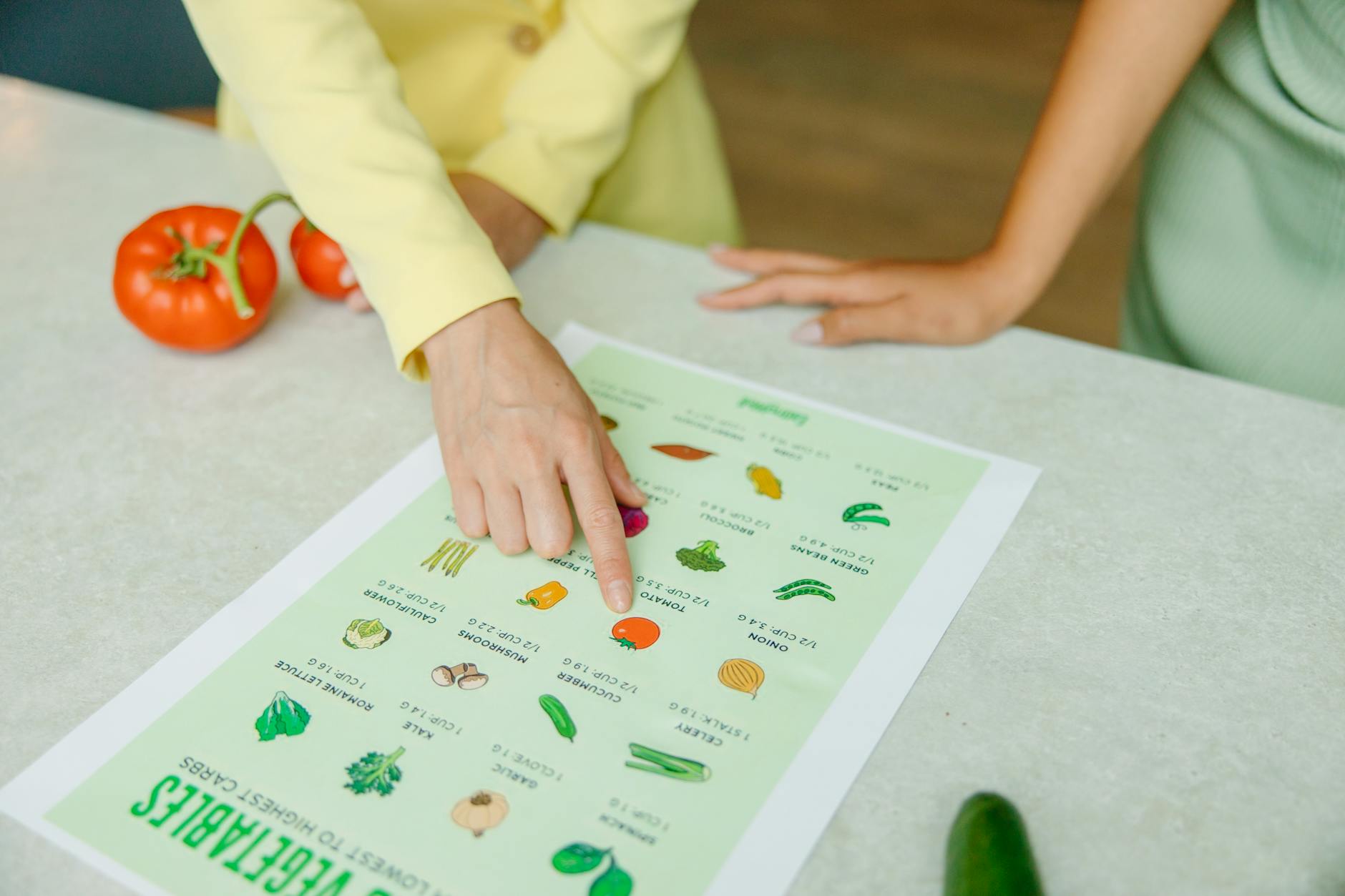
Starchy vegetables store energy as starch — long chains of glucose. When digested, this starch breaks down into glucose and raises blood sugar. Non-starchy vegetables (lettuce, broccoli, peppers) contain mostly water and fiber and have minimal effect on blood sugar.
The American Diabetes Association classifies a vegetable as starchy when a typical serving contains roughly 15 grams of carbohydrate. On the diabetes plate method, starchy vegetables go in the same “quarter of the plate” as rice, pasta, and bread — not in the half reserved for non-starchy vegetables.
List of Starchy Vegetables (with Nutrition Profiles)
| Vegetable | Serving | Carbs (g) | Fiber (g) | Glycemic Index |
|---|---|---|---|---|
| White potato (boiled) | ½ cup | 15 | 1.5 | 78 |
| White potato (baked) | 1 medium | 37 | 3.8 | 85 |
| Sweet potato (baked) | 1 medium | 26 | 3.8 | 63 |
| Yam (boiled) | ½ cup | 19 | 2.7 | 54 |
| Corn (kernels) | ½ cup | 15 | 1.8 | 52 |
| Corn on the cob | 1 small ear | 15 | 1.5 | 52 |
| Green peas | ½ cup | 11 | 4.0 | 22 |
| Butternut squash | ½ cup cubed | 11 | 2.0 | 51 |
| Acorn squash | ½ cup cubed | 15 | 2.3 | 40 |
| Pumpkin (canned) | ½ cup | 10 | 3.6 | 75 |
| Plantain (cooked) | ½ cup | 24 | 1.8 | 40 |
| Parsnips (cooked) | ½ cup | 13 | 3.0 | 52 |
| Black beans (cooked) | ½ cup | 20 | 7.5 | 30 |
| Lentils (cooked) | ½ cup | 20 | 8.0 | 32 |
| Cassava (yuca, cooked) | ½ cup | 39 | 1.8 | 46 |
| Taro (cooked) | ½ cup | 23 | 3.4 | 55 |
Better and Worse Starchy Vegetables for Blood Sugar
Within the starchy category there is a wide range of glycemic impact and fiber content. Choosing wisely matters.
Best Starchy Choices
- Beans and lentils — high fiber and protein, very low glycemic index.
- Sweet potatoes — more fiber and vitamin A than white potatoes; lower GI when boiled.
- Winter squash (butternut, acorn, kabocha) — moderate carbs with fiber and beta-carotene.
- Green peas — surprisingly low glycemic index, plus 4 g of fiber per ½ cup.
- Yams (true yams, not US “yams” which are sweet potatoes) — high fiber, slow digesting.
Use With More Caution
- White potatoes, especially baked, mashed, or as fries — high GI and easy to overeat.
- Cassava (yuca) — very high in carbs per cup.
- Plantains, especially fried — concentrated starch.
- Canned corn with added sugar or creamed corn.
How to Include Starchy Vegetables Safely
1. Mind the Portion
One serving = ½ cup cooked, or roughly the size of a billiard ball. A whole baked potato is closer to two or three servings. Use a measuring cup until your eye is calibrated.
2. Pair With Protein, Fat, and Fiber
Eating starchy vegetables alone causes a sharper glucose spike. Combining them with protein, healthy fat, and non-starchy vegetables flattens the curve. Example: a small sweet potato with grilled salmon and roasted broccoli.
3. Choose Cooking Methods That Lower the Glycemic Impact
- Boil instead of bake. A boiled potato has a lower GI than a baked one.
- Cook and cool. Refrigerating cooked starches creates resistant starch, which behaves more like fiber. Cold potato salad or refrigerated rice are gentler on blood sugar.
- Add vinegar or lemon. Acidic dressings slow gastric emptying.
- Avoid frying. French fries and chips combine high-GI starch with refined oils.
4. Don’t Skip the Skin
Potato and sweet potato skins add fiber, potassium, and antioxidants. Wash well and eat them when possible.
Where Starchy Vegetables Fit on Your Plate
The CDC’s diabetes plate method is the simplest framework:
- Half the plate: non-starchy vegetables (see our best vegetables for diabetics guide).
- One quarter: lean protein (chicken, fish, tofu, eggs, beans).
- One quarter: starchy vegetables OR whole grains — not both at full portion.
For sample meals, see our prediabetes diet plan.
Common Mistakes to Avoid
- Treating mashed potatoes as a vegetable side rather than the starch.
- Ordering a baked potato and rice with the same meal.
- Believing sweet potatoes are “free” — they still raise blood sugar.
- Eating corn chips, potato chips, or fries as snacks because they are “from vegetables.”
- Adding butter, sour cream, brown sugar, or marshmallows that pile on calories without slowing the glucose response much.
What If You Are Following a Low-Carb Plan?
Some people with prediabetes or type 2 diabetes do best on a low-carb pattern that limits all starchy vegetables to occasional small portions. In that case, lean on non-starchy vegetables, beans, and small servings of berries to round out your plate. Discuss your target with your dietitian or doctor.
The Bottom Line
Starchy vegetables are nutritious foods that count as carbohydrates on your plate. Sweet potatoes, beans, winter squash, and peas are gentler on blood sugar than white potatoes and corn. Stick to a half-cup serving, pair with protein and non-starchy vegetables, and use cooking methods that lower glycemic impact. With portion control, starchy vegetables can stay on the menu — even with prediabetes.