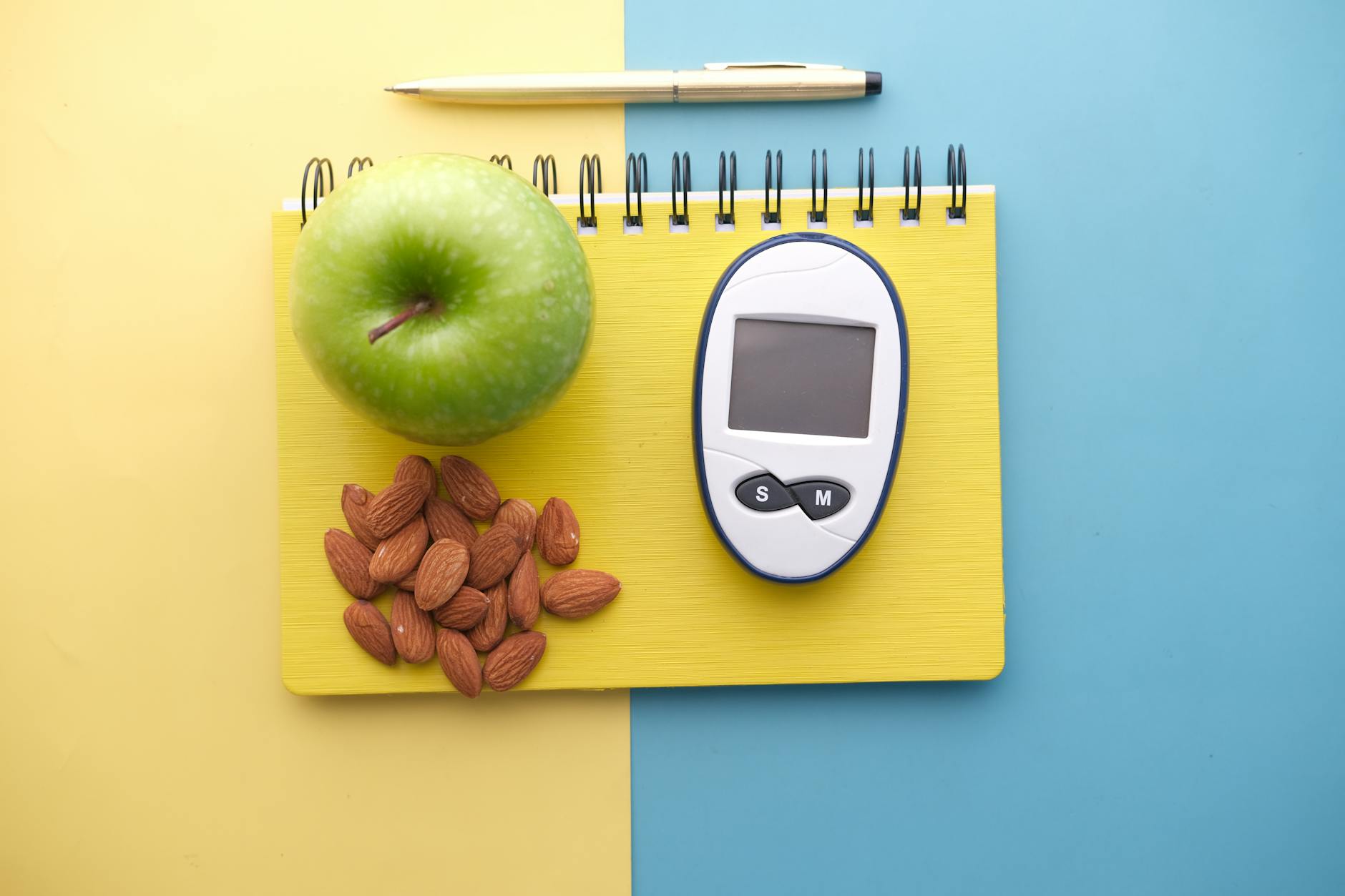
The healthiest fruits for diabetics combine three things: low glycemic index, high fiber, and high antioxidant content. Berries, apples, citrus, pears, cherries, kiwi, and avocado all check those boxes. Eaten whole and in measured portions, fruit can be one of the most beneficial foods in a diabetes diet — supporting blood sugar, weight, and cardiovascular health.
Are Fruits Safe for Diabetics?
Yes. The American Diabetes Association and Harvard’s Nurses’ Health Studies both confirm that whole fruit consumption — especially berries, apples, and pears — is associated with lower type 2 diabetes risk, while fruit juice is associated with higher risk. Whole fruit packs sugar inside a fiber matrix that slows absorption and tames the blood-sugar rise.
What matters: choose whole fruit, watch portion sizes, and prefer lower-glycemic varieties.
The Top 10 Healthiest Fruits for Diabetics
Values per typical serving from USDA FoodData Central; glycemic index from the 2021 International Tables.
| Fruit | Serving | Carbs (g) | Fiber (g) | Glycemic Index | Glycemic Load |
|---|---|---|---|---|---|
| Avocado | ½ medium | 6 | 5 | under 15 | under 1 |
| Raspberries | 1 cup | 15 | 8 | 32 | 3 |
| Blackberries | 1 cup | 14 | 8 | 33 | 3 |
| Strawberries (sliced) | 1 cup | 13 | 3 | 40 | 4 |
| Blueberries | 1 cup | 21 | 4 | 53 | 9 |
| Apple (medium, with skin) | 1 fruit | 25 | 4.4 | 36 | 6 |
| Pear (medium) | 1 fruit | 27 | 5.5 | 38 | 6 |
| Cherries (fresh) | 1 cup | 22 | 3 | 22 | 4 |
| Orange (medium) | 1 fruit | 15 | 3 | 43 | 5 |
| Grapefruit (½ medium) | ½ fruit | 13 | 2 | 25 | 3 |
| Kiwi (medium) | 1 fruit | 11 | 2.3 | 53 | 5 |
| Peach (medium) | 1 fruit | 15 | 2.3 | 42 | 5 |
| Plum (medium) | 1 fruit | 8 | 1 | 40 | 2 |
| Apricot (fresh) | 2 fruits | 8 | 1.5 | 34 | 2 |
| Banana (medium) | 1 fruit | 27 | 3 | 51 | 13 |
| Mango (chopped) | 1 cup | 25 | 3 | 56 | 9 |
| Pineapple (chopped) | 1 cup | 22 | 2 | 66 | 9 |
| Watermelon (cubed) | 1 cup | 11 | 0.6 | 72 | 4 |
1. Berries (Blueberries, Raspberries, Strawberries, Blackberries)
Berries are the gold standard. They are low in carbohydrate, high in fiber, and loaded with anthocyanins — purple-red pigments linked to better insulin sensitivity. A 2013 BMJ study found that higher blueberry intake was associated with a 26% lower risk of type 2 diabetes.
How to eat: 1 cup whole, with Greek yogurt or cottage cheese; in salads; topped on oatmeal.
2. Apples
An apple a day really may help. Rich in soluble fiber (pectin), polyphenols, and vitamin C. The fiber slows sugar absorption and feeds beneficial gut bacteria. Eat the skin — that’s where most of the fiber and antioxidants live.
How to eat: 1 medium apple with peanut or almond butter as a snack.
3. Citrus (Oranges, Grapefruit, Lemons)
High in vitamin C, folate, potassium, and fiber. Grapefruit is among the lowest-GI fruits and contains naringenin, a flavonoid linked to improved insulin sensitivity.
How to eat: 1 whole orange (not juiced), grapefruit halves, lemon zest in water and dressings.
Note: grapefruit interacts with many medications — check with your pharmacist.
4. Avocado
Botanically a fruit, with about 1 g of net carbs per ½ avocado and 5 g of fiber. Most calories come from monounsaturated fat, which improves insulin sensitivity and cardiovascular markers.
How to eat: Sliced on toast, mashed in salads, blended into smoothies, or as guacamole.
5. Pears
One of the highest-fiber fruits — 5.5 g per medium pear. The skin contains chlorogenic acid, which may improve glucose metabolism. A 2019 trial found that daily pear consumption improved cardiometabolic markers in adults with metabolic syndrome.
How to eat: Whole, with a slice of cheese or a handful of walnuts.
6. Cherries
Fresh cherries have one of the lowest glycemic indices of any fruit (about 22). They are also rich in melatonin and anti-inflammatory anthocyanins. Tart cherry juice has been studied for sleep and exercise recovery, but the juice is concentrated sugar — stick with whole cherries.
How to eat: 1 cup pitted, fresh or frozen.
7. Kiwi
One kiwi delivers more vitamin C than an orange and 2.3 g of fiber. Kiwi has a moderate GI but a low glycemic load thanks to small carb content per fruit. The fruit also contains actinidin, which aids protein digestion.
How to eat: Whole (the skin is edible and has more fiber), sliced into salads.
8. Peaches, Plums, Nectarines, and Apricots
Stone fruits (peaches, plums, nectarines, apricots) tend to be low to moderate GI with respectable fiber content. They are seasonal — pick them ripe in summer for best flavor and nutrients.
How to eat: One whole fruit between meals.
9. Grapes (Small Portions)
Grapes are higher in sugar than berries but contain resveratrol, an antioxidant studied for metabolic health. A serving is about 17 grapes — easy to overshoot.
How to eat: Frozen, in measured portions.
10. Tomatoes
Botanically a fruit, nutritionally a vegetable in meal planning. About 5 g of carbs per cup, plus lycopene linked to cardiovascular benefits.
How to eat: Sliced, in salads, in fresh salsa, or roasted.
Fruits to Limit (Not Avoid)
None of these are forbidden, but smaller portions are wise:
- Bananas (especially very ripe): high carb, moderate GI; portion to ½ banana.
- Mango: 25 g carbs per cup; cut to ½ cup.
- Pineapple: high GI; pair with protein.
- Watermelon: high GI but low GL because of water content; modest portions.
- Dried fruit (raisins, dates, dried mango): very concentrated; treat 2 tablespoons as a serving.
Fruit Forms That Spike Blood Sugar
| Form | Why It’s a Problem | Better Choice |
|---|---|---|
| Fruit juice | Concentrated sugar; no fiber | Whole fruit + water |
| Smoothies (large) | Often 3+ servings of fruit per glass | Single-serving smoothie with greens, protein, healthy fat |
| Canned in syrup | Added sugar | Canned in water or 100% juice, drained |
| Dried fruit | Concentrated sugar; easy to overeat | Small portion (2 tbsp) with nuts |
| Fruit puree / sauces | Pre-digested; spikes glucose | Chunky applesauce (no sugar added) |
How to Eat Fruit the Diabetes-Friendly Way
- Choose whole fruit over juice or puree.
- Pair with protein or healthy fat (cheese, nut butter, Greek yogurt) to slow the glucose rise.
- Watch the portion. One serving = ~15 g of carbs. Use a measuring cup until you’re calibrated.
- Spread fruit through the day rather than 4 servings at once.
- Eat the skin when possible (apples, pears, kiwi) — that’s where the fiber is.
- Choose lower-GI varieties within each fruit family (e.g., berries over melon).
- Test your response. Check blood sugar 1 to 2 hours after eating fruit to learn your tolerance.
What About Frozen and Canned Fruit?
Frozen fruit is excellent — picked ripe and flash-frozen, often more nutrient-rich than fresh that has traveled. Just check that there’s no added sugar. Canned fruit is fine if packed in water or 100% juice (drain it); avoid heavy or light syrup.
Where Fruit Fits in Your Daily Meal Plan
One serving of fruit = one carbohydrate exchange (about 15 g of carbs). On the diabetes plate method, fruit goes “on the side” — about ½ cup at each meal or as a snack between meals. For more on planning fruit and other foods, see our prediabetes diet guide and our companion article on fruits to avoid with diabetes. For a broader food framework, visit our diet and nutrition hub.
The Bottom Line
The healthiest fruits for diabetics — berries, apples, citrus, pears, cherries, kiwi, stone fruits, and avocado — are nutritional powerhouses that improve, rather than harm, blood-sugar control when eaten as whole fruit in measured portions. Skip the juice, watch dried-fruit portions, and pair fruit with protein or fat. One to two servings a day fit easily into virtually any diabetes-friendly meal plan.