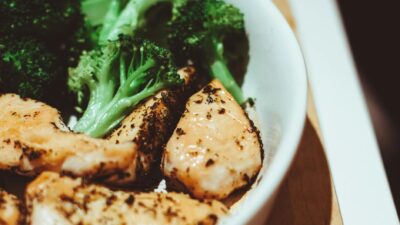
A type 2 diabetes diet centers on non-starchy vegetables, lean protein, healthy fats, and high-fiber carbohydrates while limiting added sugar, refined grains, and processed meats. The simplest framework is the plate method: fill half your plate with non-starchy vegetables, a quarter with lean protein, and a quarter with high-fiber carbohydrates. Combined with consistent meal timing and 30 to 60 grams of carbohydrate per meal, this approach can lower A1C, support weight loss, and reduce diabetes-related complications.
Goals of a Type 2 Diabetes Diet
The American Diabetes Association identifies four main nutrition goals for type 2 diabetes:
- Achieve and maintain blood glucose, blood pressure, and lipid targets.
- Achieve and maintain a healthy body weight (loss of 5-10% improves outcomes substantially).
- Delay or prevent diabetes complications.
- Address individual nutrition needs based on culture, preference, access, and health conditions.
There is no single “diabetes diet.” Multiple eating patterns — Mediterranean, DASH, vegetarian, low-carb, and low-fat — can all work. Adherence and weight loss matter more than the specific macronutrient mix.
The Plate Method
The plate method is the easiest place to start. Use a 9-inch dinner plate.
- Half (1/2): non-starchy vegetables — leafy greens, broccoli, peppers, tomatoes, mushrooms, zucchini
- Quarter (1/4): lean protein — chicken, fish, tofu, eggs, beans, Greek yogurt
- Quarter (1/4): high-fiber carbohydrate — quinoa, brown rice, sweet potato, whole-grain bread, beans
- Add: a serving of fruit, a glass of water or unsweetened beverage, and a small amount of healthy fat (olive oil, avocado, nuts)
Carb Counting Basics
Carb counting is the second core skill. One carbohydrate serving equals 15 grams of carbs. Most adults with type 2 diabetes do well at 3 to 4 servings (45 to 60 grams) per main meal and 1 serving (15 grams) per snack.
| Food | Serving Size | Carbs (g) |
|---|---|---|
| Bread, whole-grain | 1 slice | 15 |
| Brown rice, cooked | 1/3 cup | 15 |
| Pasta, cooked | 1/3 cup | 15 |
| Oatmeal, cooked | 1/2 cup | 15 |
| Tortilla, 6-inch | 1 | 15 |
| Sweet potato | 1/2 cup | 15 |
| Black beans, cooked | 1/2 cup | 20 (7 fiber) |
| Apple | 1 small | 15 |
| Berries | 1 cup | 15 |
| Milk | 1 cup | 12 |
| Greek yogurt, plain | 6 oz | 6 |
Foods to Eat Most Often
Non-Starchy Vegetables (Unlimited)
Leafy greens (spinach, kale, arugula), broccoli, cauliflower, Brussels sprouts, peppers, cucumbers, zucchini, mushrooms, asparagus, tomatoes, onions, eggplant, green beans. Aim for 3 to 5 cups per day.
Lean Protein (Each Meal)
Skinless poultry, fish (especially fatty fish like salmon and sardines, twice weekly), eggs, plain Greek yogurt, cottage cheese, tofu, tempeh, edamame, lentils, beans, lean cuts of pork and beef.
High-Fiber Carbohydrates
Whole oats, quinoa, brown rice, farro, barley, 100% whole-grain bread, whole-grain pasta, sweet potato, beans, lentils, chickpeas. Choose intact grains over flours when possible.
Healthy Fats
Olive oil, avocado, nuts, seeds, fatty fish, olives. Use as primary cooking fat and salad dressing base.
Whole Fruit
1 to 3 servings per day. Berries, apples, pears, citrus, and stone fruit have lower glycemic loads. See our list of best foods for prediabetes, which apply equally to type 2 diabetes.
Beverages
Water, sparkling water, unsweetened tea and coffee. Milk in moderation (1-2 cups per day if not contraindicated).
Foods to Limit
- Sugar-sweetened beverages: regular soda, sweetened tea, sports drinks, juice — the worst offender for blood glucose
- Refined grains: white bread, white rice, regular pasta, most crackers, breakfast cereals
- Sweets: candy, cookies, pastries, cakes, ice cream, sweetened yogurt
- Processed meats: bacon, sausage, hot dogs, deli meats — linked to higher cardiovascular risk
- Fried foods: French fries, onion rings, fried chicken
- High-fat dairy in large amounts: full-fat cheese, butter, cream — small amounts are fine
- Trans fats: stick margarine, some packaged baked goods (read labels for “partially hydrogenated oils”)
- Alcohol: limit to 1 drink per day for women, 2 for men, with food
Sample Day of Meals (~1,800 calories, ~150 g carb)
| Meal | Foods | Carbs (g) | Protein (g) |
|---|---|---|---|
| Breakfast | 1/2 cup steel-cut oats, 1 cup berries, 2 tbsp walnuts, 6 oz plain Greek yogurt | 45 | 22 |
| Snack | 1 small apple, 1 oz almonds | 20 | 7 |
| Lunch | Salad with 4 oz grilled chicken, 1/2 cup chickpeas, mixed vegetables, 2 tbsp olive oil dressing, 1 small whole-grain roll | 40 | 40 |
| Snack | 1/2 cup cottage cheese, cucumber slices | 5 | 14 |
| Dinner | 4 oz baked salmon, 2/3 cup quinoa, 1.5 cups roasted broccoli and Brussels sprouts, drizzle of olive oil | 35 | 35 |
| Total | ~145 | ~118 |
Meal Timing
For most patients, three meals plus 1-2 small snacks per day works well. Key timing principles:
- Eat breakfast: skipping it is linked to higher post-lunch glucose and worse A1C.
- Avoid late-night eating: insulin sensitivity drops in the evening.
- Spread carbohydrate evenly: a 90-gram pasta dinner spikes glucose more than three 30-gram meals across the day.
- Be consistent: people on insulin or sulfonylureas need predictable meal timing to avoid both highs and lows.
- Consider time-restricted eating: a 10-12 hour overnight fast can improve insulin sensitivity in some patients.
Eating Patterns With Strong Evidence
Mediterranean Diet
Heavy on vegetables, fruits, whole grains, legumes, olive oil, fish, and nuts; moderate dairy and poultry; limited red meat; small amounts of wine with meals. Multiple randomized trials show A1C reduction and lower cardiovascular events.
DASH Diet
Originally designed for blood pressure, the DASH (Dietary Approaches to Stop Hypertension) pattern is similar to Mediterranean but with more low-fat dairy and less olive oil. Excellent for the high blood pressure that often accompanies type 2 diabetes.
Low-Carb and Very-Low-Carb
Low-carb (50-130 g/day) and ketogenic (under 50 g/day) diets produce strong A1C improvements and weight loss in many patients. Medication doses must be reduced quickly to avoid hypoglycemia. Long-term adherence is the main challenge.
Plant-Based and Vegetarian
Whole-food plant-based diets emphasize legumes, whole grains, vegetables, fruits, nuts, and seeds. Multiple studies show meaningful A1C and cardiovascular benefits.
Special Considerations
- Kidney disease: protein may need to be moderated; potassium, phosphorus, and sodium often restricted
- Heart disease: emphasize Mediterranean pattern, limit saturated fat to under 10% of calories
- Older adults: protein needs are slightly higher; less restriction may be appropriate to avoid frailty and unintentional weight loss
- Pregnancy: work with a maternal-fetal medicine team; carb targets adjust upward
- Cultural foods: a registered dietitian familiar with your cuisine can adapt traditional meals to fit your goals
Working With Your Diabetes Team
The ADA recommends that every person with diabetes receive medical nutrition therapy from a registered dietitian at diagnosis and periodically thereafter. A dietitian can personalize your carbohydrate target, build a culturally appropriate meal plan, and coordinate with your physician to adjust medications as your eating pattern changes. For an overview of broader treatment options, see our treatment hub.
The Bottom Line
A type 2 diabetes diet does not require giving up your favorite foods — it requires structuring meals around non-starchy vegetables, lean protein, healthy fat, and high-fiber carbohydrates. Use the plate method, target 30 to 60 grams of carbohydrate per meal, eat at consistent times, and lean toward Mediterranean or DASH patterns. Limit sugar-sweetened beverages, refined grains, processed meats, and fried foods. Combined with regular movement, modest weight loss, and your prescribed medications, this approach can lower A1C, reduce complication risk, and in some cases drive type 2 diabetes into remission. Work with your healthcare team and a registered dietitian to build a plan you can sustain.