Carbohydrate foods are any foods that contain meaningful amounts of starch, sugar, or fiber. The main groups are grains, fruits, starchy vegetables, legumes, dairy, and sweets. Below is a complete list with typical carbohydrate counts per serving and glycemic index categories so you can build meals that match your blood sugar goals.
How Carbohydrates Are Measured
One “carbohydrate serving” is generally defined as 15 grams of total carbohydrate. The Nutrition Facts label lists “Total Carbohydrate” on a per-serving basis. Total carbs include starch, sugars, and dietary fiber.
Most meal plans for people with diabetes target 30 to 60 grams of carb per meal, but targets vary widely. Our prediabetes diet guide and best foods for prediabetes page go deeper.
Grains and Grain Products
| Food | Serving | Carbs (g) | GI Category |
|---|---|---|---|
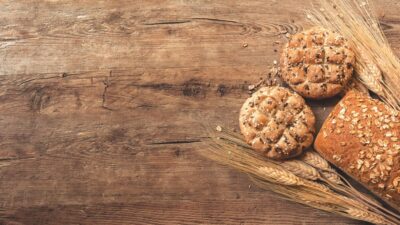
| White bread | 1 slice | 15 | High |
| Whole-wheat bread | 1 slice | 14 | Medium |
| Sourdough | 1 slice | 15 | Medium |
| Bagel, plain | 1 medium | 50 | High |
| English muffin, whole-grain | 1 | 26 | Medium |
| White rice, cooked | 1 cup | 45 | High |
| Brown rice, cooked | 1 cup | 45 | Medium |
| Quinoa, cooked | 1 cup | 39 | Medium |
| Pasta, cooked | 1 cup | 43 | Medium |
| Whole-wheat pasta | 1 cup | 37 | Medium |
| Oatmeal, rolled, cooked | 1 cup | 27 | Medium |
| Steel-cut oats, cooked | 1 cup | 27 | Low to Medium |
| Cornflakes | 1 cup | 24 | High |
| Tortilla, flour, 8″ | 1 | 24 | Medium |
| Tortilla, corn, 6″ | 1 | 11 | Medium |
| Crackers, saltine | 5 | 10 | High |
| Barley, cooked | 1 cup | 44 | Low |
Fruits
Most whole fruits are low to medium glycemic. Juice and dried fruit are concentrated and behave more like sweets.
| Food | Serving | Carbs (g) | GI Category |
|---|---|---|---|
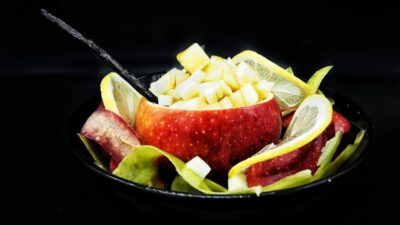
| Apple | 1 medium | 25 | Low |
| Banana | 1 medium | 27 | Medium |
| Orange | 1 medium | 15 | Low |
| Strawberries | 1 cup | 11 | Low |
| Blueberries | 1 cup | 21 | Low |
| Grapes | 1 cup | 27 | Medium |
| Watermelon | 1 cup | 11 | High |
| Pineapple | 1 cup | 22 | Medium |
| Mango | 1 cup | 25 | Medium |
| Pear | 1 medium | 27 | Low |
| Peach | 1 medium | 14 | Low |
| Cherries | 1 cup | 25 | Low |
| Raspberries | 1 cup | 15 | Low |
| Orange juice | 1 cup | 26 | Medium |
| Raisins | 1/4 cup | 32 | Medium |
| Dates | 2 medjool | 36 | Medium to High |
Starchy Vegetables
| Food | Serving | Carbs (g) | GI Category |
|---|---|---|---|
| Potato, baked | 1 medium | 37 | High |
| Sweet potato, baked | 1 medium | 27 | Medium |
| Corn | 1 cup | 30 | Medium |
| Green peas | 1 cup | 21 | Low |
| Butternut squash | 1 cup | 22 | Medium |
| Acorn squash | 1 cup | 30 | Medium |
| Plantain, cooked | 1 cup | 48 | Medium to High |
| Yam | 1 cup | 37 | Medium |
Legumes
Legumes are unusual because they contain meaningful protein and fiber alongside carbs, which slows the glucose response.
| Food | Serving | Carbs (g) | GI Category |
|---|---|---|---|
| Black beans | 1 cup | 41 | Low |
| Kidney beans | 1 cup | 40 | Low |
| Chickpeas | 1 cup | 45 | Low |
| Lentils | 1 cup | 40 | Low |
| Pinto beans | 1 cup | 45 | Low |
| Edamame, shelled | 1 cup | 14 | Low |
| Hummus | 1/4 cup | 9 | Low |
Dairy and Dairy Alternatives
| Food | Serving | Carbs (g) | GI Category |
|---|---|---|---|
| Milk, 2% | 1 cup | 12 | Low |
| Milk, skim | 1 cup | 12 | Low |
| Greek yogurt, plain | 3/4 cup | 7 | Low |
| Yogurt, fruit-flavored | 3/4 cup | 30 | Medium |
| Cottage cheese | 1 cup | 8 | Low |
| Soy milk, unsweetened | 1 cup | 4 | Low |
| Almond milk, unsweetened | 1 cup | 1 | Low |
| Oat milk | 1 cup | 16 | Medium |
| Ice cream, vanilla | 1/2 cup | 16 | Medium |
Sweets, Snacks, and Sugary Drinks
| Food | Serving | Carbs (g) | GI Category |
|---|---|---|---|
| Cola, 12 oz | 1 can | 39 | High |
| Sweet tea, 16 oz | 1 bottle | 40 | High |
| Chocolate chip cookie | 1 medium | 20 | Medium |
| Glazed donut | 1 | 27 | High |
| Granola bar | 1 | 22 | Medium to High |
| Pretzels | 1 oz | 22 | High |
| Potato chips | 1 oz | 15 | Medium |
| Honey | 1 tbsp | 17 | Medium |
| Sugar (table) | 1 tsp | 4 | High |
| Maple syrup | 1 tbsp | 13 | Medium |
Non-Starchy Vegetables (Low Carb)
These contain only 3 to 7 grams of carbs per cup and are usually not counted toward carb totals.
- Leafy greens (spinach, kale, lettuce, arugula)
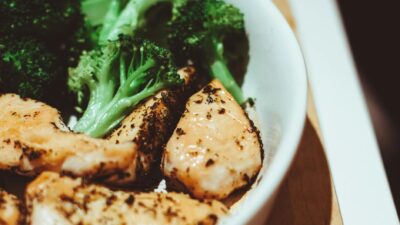
- Broccoli, cauliflower, Brussels sprouts, cabbage
- Bell peppers, tomatoes, cucumbers, zucchini
- Asparagus, green beans, mushrooms, eggplant
- Onions, garlic, celery, radishes
How Glycemic Index Works
According to Harvard T.H. Chan School of Public Health, glycemic index (GI) measures how quickly a 50-gram carbohydrate portion of a food raises blood glucose compared with pure glucose. Categories:
- Low GI: 55 or less
- Medium GI: 56 to 69
- High GI: 70 or more
GI is useful but incomplete. Glycemic load (GI multiplied by grams of carbohydrate, divided by 100) accounts for portion size. Watermelon has a high GI but a single serving is mostly water, giving it a low glycemic load.
Pairing Carbs to Slow the Spike
Adding protein, fat, fiber, or vinegar to a carbohydrate food consistently lowers the post-meal glucose response. Practical examples:
- Apple with peanut butter instead of apple alone
- Whole-grain toast with eggs and avocado
- Pasta with grilled chicken and a green salad
- Brown rice with beans and a vinaigrette-dressed side
The Bottom Line
Carbohydrate foods range from broccoli (essentially free) to a glazed donut (a concentrated dose). Knowing approximately how many grams of carbs are in your usual portions, and pairing them with protein, fat, and fiber, gives you the most leverage over post-meal blood sugar. Use the tables above as a quick reference, read labels for packaged foods, and visit our diet and nutrition hub for menus and meal-planning tools.