A no-sugar diet eliminates added sugars and concentrated sweeteners while still allowing the naturally occurring sugars found in whole fruits, plain dairy, and intact grains. It is not a zero-carb plan. The goal is to eliminate the refined sugar that drives insulin resistance, weight gain, and elevated triglycerides — without giving up the nutrient-dense whole foods your body needs.
What Counts as Added Sugar?
Added sugars are any sugars or syrups added during food processing or preparation, plus sugars in honey, syrups, and concentrated fruit juices. The U.S. Food and Drug Administration now requires “Added Sugars” to appear on every Nutrition Facts label, making them easier to spot.
Common added sugars include:
- White sugar, brown sugar, raw sugar, turbinado, demerara
- High-fructose corn syrup, corn syrup, glucose syrup, rice syrup
- Honey, maple syrup, agave nectar, molasses
- Cane juice, evaporated cane juice, fruit juice concentrate
- Anything ending in “-ose”: sucrose, dextrose, fructose, maltose
Naturally occurring sugars — like the lactose in milk or fructose in a whole apple — are not added sugars and are not the focus of this diet.
Why Cut Added Sugar?
According to the Centers for Disease Control and Prevention, the average American consumes about 17 teaspoons (68 grams) of added sugar per day — more than double the American Heart Association’s upper limit of 25 g/day for women and 36 g/day for men. Excess added sugar:
- Spikes blood glucose and insulin, worsening insulin resistance over time
- Raises triglycerides and lowers HDL cholesterol
- Promotes liver fat accumulation (non-alcoholic fatty liver disease)
- Drives weight gain through liquid calories that do not satisfy hunger
- Increases cravings and the reward loop that perpetuates overeating
Reducing added sugar is one of the most effective single dietary changes for people with prediabetes — and a core principle of any prediabetes diet.
Foods to Avoid on a No-Sugar Diet
| Category | Avoid | Why |
|---|---|---|
| Beverages | Soda, sweet tea, sports drinks, fruit juice, flavored lattes, sweetened plant milks | Liquid sugar — fastest glucose spike, no satiety |
| Breakfast | Sugared cereals, granola, pastries, flavored yogurt, instant oatmeal packets | Often 15-30 g added sugar per serving |
| Snacks | Granola bars, fruit snacks, cookies, candy, ice cream, sweetened trail mix | Concentrated added sugar with little protein |
| Sauces & condiments | Ketchup, BBQ sauce, teriyaki, sweet chili, store-bought salad dressing, pasta sauce | Hidden sugar, often 4-12 g per serving |
| Bread products | Most commercial bread, hamburger buns, English muffins, tortillas | Often contain added sugar and HFCS |
| Alcohol mixers | Tonic water, sweetened cocktails, dessert wines | Liquid sugar plus alcohol calories |
Foods to Enjoy
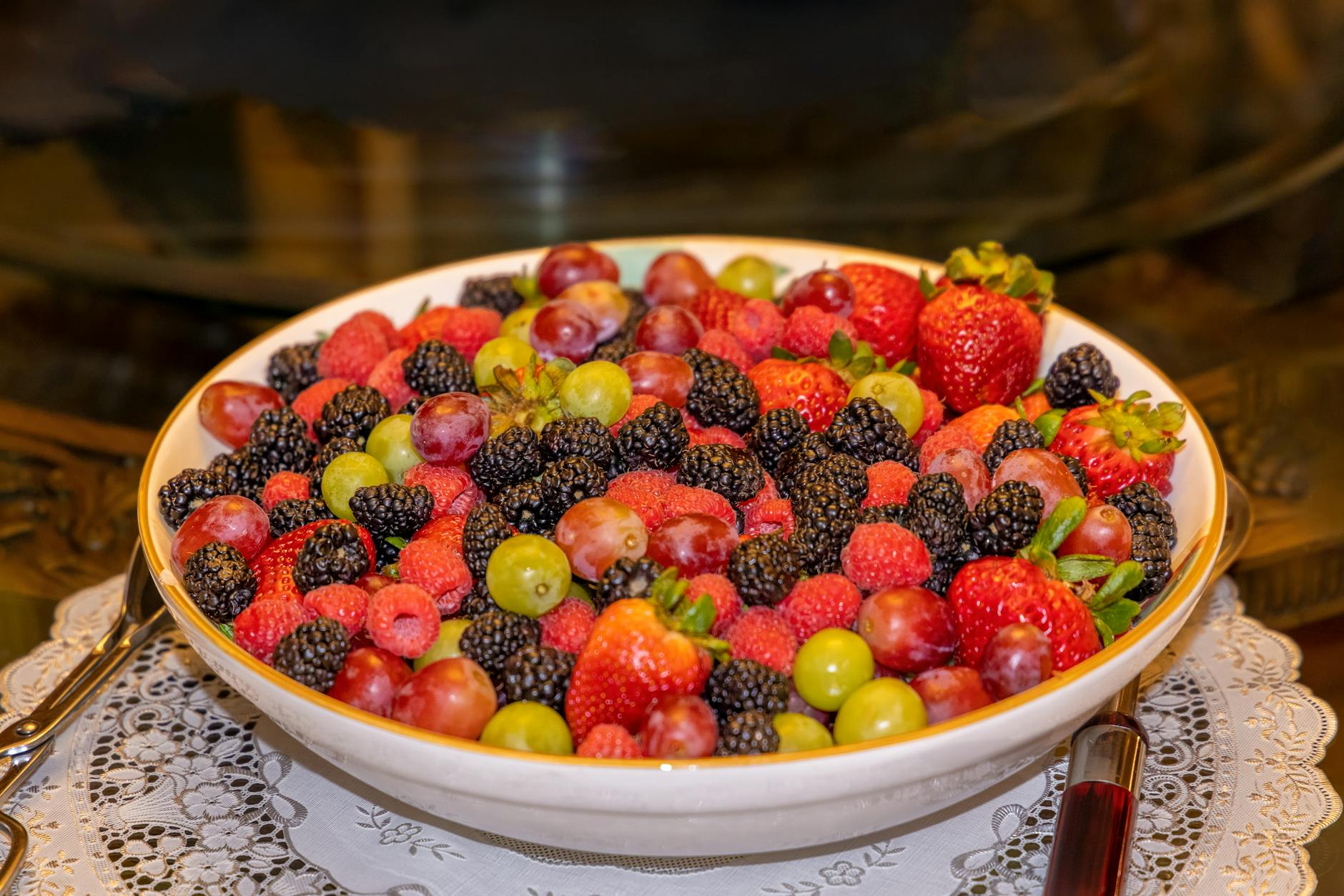
- Whole fruits: berries, apples, pears, oranges, stone fruit, melon, kiwi
- Non-starchy vegetables: leafy greens, broccoli, peppers, zucchini, mushrooms, tomatoes
- Lean proteins: chicken, fish, eggs, tofu, beans, plain Greek yogurt, cottage cheese
- Whole grains: oats (steel-cut or rolled), quinoa, farro, brown rice, whole-grain bread with no added sugar
- Healthy fats: avocado, olive oil, nuts, seeds, fatty fish
- Plain dairy: milk, plain yogurt, cottage cheese, cheese
- Spices and flavor boosters: cinnamon, vanilla extract, citrus zest, fresh herbs
Hidden Sugar Hot Spots
Even savvy shoppers are surprised by how much sugar hides in foods marketed as healthy. Watch out for:
- Yogurt: a single 6-oz fruit-on-the-bottom yogurt can contain 19 g of added sugar — almost the daily limit for women.
- Granola and granola bars: many “natural” granolas exceed 12 g per half-cup.
- Pasta sauce: some jarred sauces have 10 g of added sugar per half-cup.
- Whole-wheat bread: a typical slice contains 2 to 3 g of added sugar; a sandwich doubles that.
- Salad dressings: bottled vinaigrettes and “lite” dressings often contain HFCS.
- Smoothies: a 16-oz fruit smoothie can pack 50 to 80 g of sugar.
- Protein bars: many contain more sugar than a candy bar; check the label.
Smart Swaps
| Instead of | Try | Sugar Saved |
|---|---|---|
| Flavored yogurt (19 g) | Plain Greek yogurt with berries (4 g natural) | 15 g added |
| Sweetened cereal (12 g) | Steel-cut oats with cinnamon and nuts | 12 g added |
| BBQ sauce (12 g per 2 tbsp) | Mustard, hot sauce, or homemade dry rub | 12 g |
| Bottled vinaigrette (4-6 g) | Olive oil and lemon juice | 4-6 g |
| Soda (39 g per 12 oz) | Sparkling water with citrus | 39 g |
| Fruit juice (24 g per 8 oz) | Whole fruit + water | 15-20 g |
| Granola bar (10-15 g) | Apple with 2 tbsp peanut butter | 10 g |
| Flavored coffee creamer (5 g per tbsp) | Unsweetened almond milk or half-and-half | 5 g per tbsp |
Sample 7-Day No-Sugar Meal Plan
| Day | Breakfast | Lunch | Dinner | Snack |
|---|---|---|---|---|
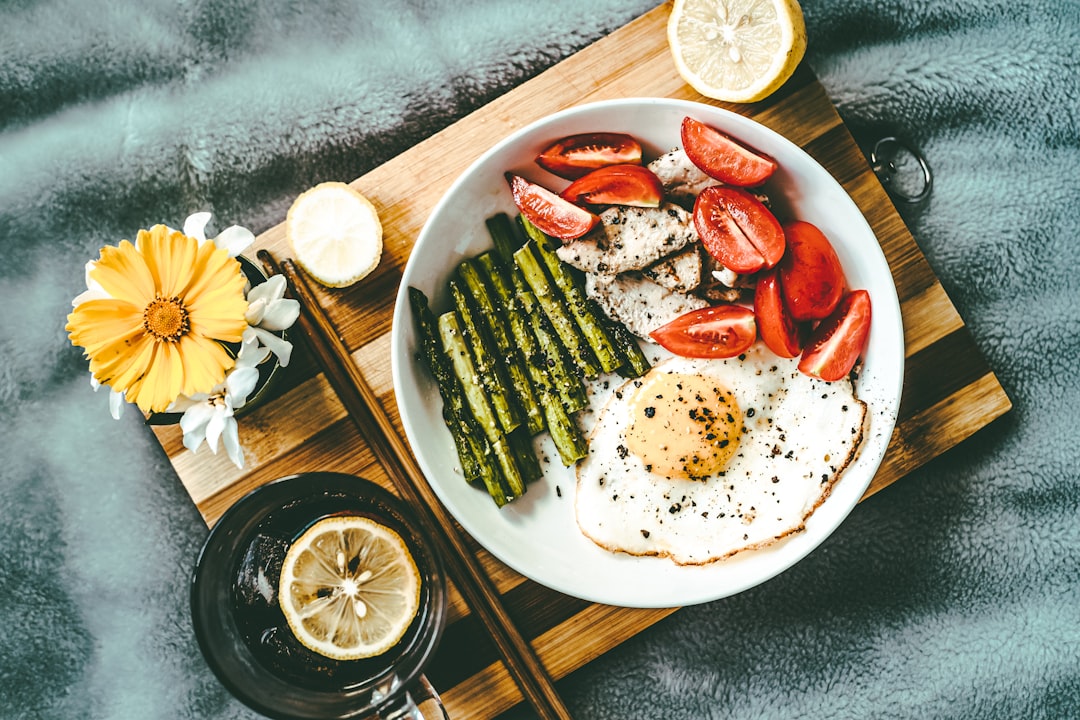
| 1 | Veggie omelet, berries | Chicken Caesar (homemade dressing) | Baked salmon, quinoa, broccoli | Greek yogurt, almonds |
| 2 | Steel-cut oats, walnuts, cinnamon | Lentil soup, side salad | Stir-fried tofu, brown rice | Apple, peanut butter |
| 3 | Cottage cheese, raspberries | Tuna salad on greens | Turkey meatballs, zucchini noodles | Hard-boiled egg, baby carrots |
| 4 | Avocado toast, fried egg | Chickpea bowl, tahini dressing | Grilled chicken, sweet potato, kale | Cheese, pear slices |
| 5 | Plain yogurt, chia, blueberries | Leftover chicken, mixed greens | Shrimp stir-fry, cauliflower rice | Pumpkin seeds, orange |
| 6 | Veggie scramble, whole-grain toast | Black bean salad with corn and lime | Pork tenderloin, roasted Brussels | Edamame |
| 7 | Smoothie: spinach, strawberry, protein | Egg salad, cucumber slices | Baked cod, farro, asparagus | Cottage cheese, tomatoes |
Realistic Expectations
The first 3 to 7 days of cutting added sugar are typically the hardest. You may notice headaches, irritability, fatigue, or strong cravings as your taste buds and reward circuits adjust. These usually resolve within a week. By weeks 2 to 4, most people report:
- Steadier energy without afternoon crashes
- Reduced sweet cravings — fruit starts tasting noticeably sweeter
- Better sleep quality
- Modest weight loss (1 to 2 pounds per week)
- Lower fasting blood glucose readings
By 12 weeks, expect meaningful improvements in A1C, triglycerides, blood pressure, and waist circumference. For broader food strategies that complement this approach, see our list of healthy diabetic snacks that contain no added sugar.
What About Artificial Sweeteners?
Sweeteners like stevia, monk fruit, sucralose, and aspartame contain no calories and do not raise blood glucose acutely. They can be useful as a transition tool. However, the World Health Organization’s 2023 guideline cautioned against using non-sugar sweeteners for long-term weight control. The smartest approach is to gradually retrain your palate to tolerate less sweetness overall rather than swap one sweet flavor for another.
The Bottom Line
A no-sugar diet eliminates added sugars while keeping nutrient-rich whole foods on the menu, including fruit and whole grains. Aim for fewer than 25 g of added sugar per day for women or 36 g for men, read every label, and watch out for hidden sugar in yogurts, sauces, breads, and “health” foods. Expect 1 to 2 weeks of adjustment, followed by steadier energy, fewer cravings, modest weight loss, and improved blood glucose. Pair this approach with regular movement and adequate protein at every meal, and check in with your healthcare provider to track your progress with periodic A1C testing.