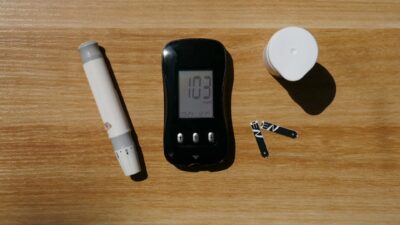
Yes, sweet potato can spike blood sugar, but how much depends on how it is cooked, the variety, the portion, and what you eat with it. Boiled sweet potato has a glycemic index around 63, baked climbs to roughly 94, and a typical one-cup serving delivers 27 grams of carbs. With smart preparation and pairing, sweet potato can fit a prediabetes-friendly meal plan.
Sweet Potato Glycemic Index and Glycemic Load
According to the International Tables of Glycemic Index and Glycemic Load Values, sweet potato glycemic index ranges widely:
| Preparation | Glycemic Index (GI) | Glycemic Load (per 1/2 cup) |
|---|---|---|
| Boiled, peeled | ~63 (medium) | ~10 |
| Steamed | ~63 (medium) | ~10 |
| Baked or roasted | ~82-94 (high) | ~14-17 |
| Microwaved | ~70 (medium-high) | ~12 |
| Boiled then cooled | ~50-55 (low-medium) | ~8 |
The reason baking spikes higher than boiling is that dry, prolonged heat breaks down more starch into smaller, rapidly absorbed sugars. Boiling keeps more starch in its slower-digesting granular form.
How Much Sweet Potato Is Reasonable for Prediabetes?
A starting portion is half a cup of cooked sweet potato, which provides about 15 grams of carbohydrate, the same as one slice of bread. One cup roughly doubles that. The American Diabetes Association suggests counting starchy vegetables like sweet potato in your carbohydrate budget rather than treating them as free vegetables. If your meal already includes rice, bread, or fruit, scale the sweet potato portion down.
For a deeper look at building a balanced plate with starchy foods, see our diet and nutrition hub.
Pairings That Flatten the Spike
Continuous glucose monitor data shows that pairing carbs with protein, fat, fiber, or acid consistently reduces the post-meal glucose peak. With sweet potato, try:
- Protein: Grilled chicken, salmon, eggs, lentils, or Greek yogurt alongside the sweet potato.
- Healthy fat: A teaspoon of olive oil, butter, or tahini on the sweet potato slows gastric emptying.
- Fiber: Eat a non-starchy vegetable salad first. Two cups of leafy greens before the carb-heavy part of the meal can lower the glucose peak by 20 to 30 percent.
- Acid: Drizzle with lemon juice or a vinaigrette. Acetic acid blunts starch digestion.
Variety Matters: Orange, Purple, and Japanese
Orange-fleshed sweet potatoes (the supermarket default in the US) are highest in beta-carotene but produce the largest spike when baked. Purple sweet potatoes contain anthocyanins shown in small studies to modestly reduce post-meal glucose and improve insulin sensitivity. Japanese sweet potatoes (white flesh, purple skin) tend to produce a more moderate response and have a lower-glycemic, denser texture.
The Resistant Starch Trick
When you cook a sweet potato and then refrigerate it for at least 12 hours, some of the starch reorganizes into resistant starch, which behaves more like fiber than sugar. Reheating preserves most of this effect. People who eat cooled-then-reheated sweet potato (or potato, rice, or pasta) typically see a 10 to 20 percent lower glucose response than when eating the same food fresh and hot. This is one of the easiest evidence-based hacks for starchy foods in a prediabetes diet.
Best Preparation Methods for Blood Sugar
- Boil or steam, then cool. Eat cold (in a salad) or reheat. Lowest glucose response of the common methods.
- Eat with the skin on. The skin adds fiber, which slows digestion.
- Avoid mashing or pureeing. Smashing breaks the starch matrix and raises the glycemic response.
- Skip added sugars. Marshmallows, brown sugar, and maple syrup turn a moderate carb into a dessert. Try cinnamon, nutmeg, or a pinch of salt instead.
What to Watch on a CGM
If you wear a continuous glucose monitor, expect a meaningful rise from sweet potato. A reasonable goal for someone with prediabetes is to keep the post-meal peak under 140 mg/dL. If you spike past 160 to 180 after a typical sweet potato serving, try a smaller portion, change the cooking method, or improve the pairings before assuming sweet potato is off-limits. For background on glucose targets, our A1C levels guide covers what numbers to aim for.
The Bottom Line
Sweet potato is more nutrient-dense than white potato or refined grains, but it is still a high-carb food that can spike blood sugar, especially when baked. Boiled and cooled is your friend. Keep portions to about half a cup, pair it with protein and non-starchy vegetables, and you can enjoy sweet potato regularly without derailing your glucose goals. Always discuss specific dietary changes with your clinician, especially if you take blood sugar medications.