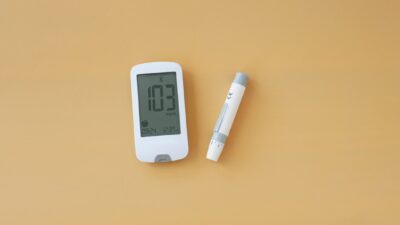
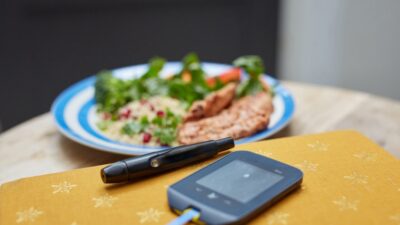
A 146 blood sugar reading is normal if taken within two hours of a meal but elevated if taken fasting. Context determines everything: the American Diabetes Association flags any fasting value over 125 mg/dL as diabetic-range, while post-meal readings up to 180 mg/dL are considered acceptable.
What 146 Blood Sugar Means by Test Timing
Blood glucose fluctuates naturally throughout the day, rising after meals and falling during fasting periods. A single number like 146 mg/dL has no clinical meaning until you attach it to a timestamp and meal context. The same reading can signal either reassurance or the need for follow-up depending on when the fingerstick or CGM scan happened.
For fasting glucose, normal is under 100 mg/dL, prediabetes is 100-125 mg/dL, and diabetes is 126 mg/dL or higher on two separate tests. For postprandial glucose measured 1-2 hours after eating, the ADA target for most non-diabetic adults is under 140 mg/dL, with treatment-adjusted targets for people with diabetes typically under 180 mg/dL.
146 Blood Sugar Interpretation Chart
| Test Timing | What 146 mg/dL Means | Next Step |
|---|---|---|
| Fasting (8+ hours no food) | Above diabetes threshold of 126 mg/dL | Repeat test, request A1C, see clinician |
| 1 hour after meal | Within normal post-meal range | No action needed |
| 2 hours after meal | Normal for non-diabetics; acceptable for diabetics | Continue routine monitoring |
| 3+ hours after meal | Elevated; glucose should have returned toward baseline | Track patterns, discuss with clinician |
| Random (no timing known) | Ambiguous | Retest with recorded timing |
| Oral glucose tolerance test (2-hr) | Prediabetes range (140-199 mg/dL) | Confirm with A1C; lifestyle intervention |
What to Do If Your Fasting Reading Is 146
A fasting 146 mg/dL is unusual and worth investigating. According to the CDC, fasting glucose at or above 126 mg/dL on two separate occasions meets the clinical criteria for type 2 diabetes. Before assuming a diagnosis, though, confirm the reading with a lab-drawn plasma glucose test and an A1C test, which reflects three-month average glucose.
Factors that can transiently spike fasting glucose include the dawn phenomenon (a normal cortisol surge before waking), inadequate sleep, acute illness or infection, corticosteroid medications, and eating late the night before. Pregnant people, shift workers, and anyone on new medications should flag these to their clinician when discussing the result.
What to Do If Your Post-Meal Reading Is 146
A 146 mg/dL reading one to two hours after eating is within the expected range for most healthy adults. Your pancreas is doing its job: releasing insulin to metabolize carbohydrates and keep the peak under the 180 mg/dL postprandial ceiling. No intervention is required.
If you have diabetes, your personal target may be stricter. The ADA recommends individualized post-meal goals under 180 mg/dL, but many clinicians aim lower for patients who tolerate tighter control. A 146 reading two hours after a carb-heavy meal is often fine; the same value three or four hours later suggests delayed glucose clearance and merits a conversation about your prediabetes diet or medication timing.
When to Worry and When Not To
Single readings rarely tell the full story. Before acting on any 146 mg/dL result, ask: Was the meter calibrated? Were my hands washed (sugar residue inflates fingersticks)? Was I dehydrated? Did I sip coffee with sweetener? Has my CGM been on the same sensor past its expected life? These confounders are common and can shift readings by 10-20 mg/dL.
You do not need emergency care for 146 mg/dL. Seek urgent evaluation only if glucose exceeds 250 mg/dL with symptoms of hyperglycemia (excessive thirst, frequent urination, fruity breath, nausea), or if you feel acutely ill. For 146 mg/dL, the right response is a repeat test under controlled conditions and a routine clinician visit if the pattern persists.
Tracking Patterns Instead of Single Numbers
One reading is a snapshot; a week of readings is a story. If you are monitoring because of prediabetes risk or recent labs, aim to test at consistent times (fasting, two hours post-meal, bedtime) for at least a week. Log meal composition, sleep, stress, and exercise alongside each number. A pattern of fasting values in the 140s points toward action; a single outlier after a pasta dinner does not.
Continuous glucose monitors make pattern recognition easier. They capture the shape of every glucose curve, not just peak and trough, and they reveal nocturnal spikes and early-morning rises that fingersticks miss. Review prediabetes basics to understand how CGM data fits into broader metabolic assessment.
The Bottom Line
A 146 blood sugar reading is not inherently good or bad — the timing and context determine its meaning. Fasting 146 mg/dL is elevated and warrants a repeat test and clinician visit; post-meal 146 mg/dL is normal for most adults. Track patterns, record timing, and discuss persistent values above 125 mg/dL fasting with your healthcare provider.
This content is for educational purposes only and is not a substitute for professional medical advice. Consult your healthcare provider for diagnosis and treatment.