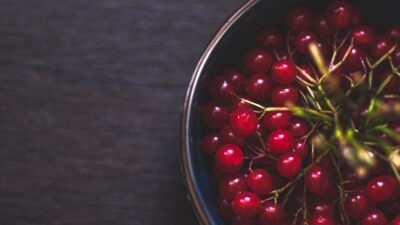
Acai (ah-sigh-EE) is a dark purple berry from the acai palm tree (Euterpe oleracea), native to Amazon rainforests of Brazil, Peru, Colombia, Ecuador. Traditional Brazilian food, especially in north (Pará, Amazonas). Unique among berries – high fat content (mostly mono and polyunsaturated), low sugar, very high anthocyanin antioxidants. Per 100 g pure unsweetened pulp – 70 calories, 6 g carbohydrate, 3 g fiber (net 3 g – very low), 1 g protein, 5 g fat (mostly oleic acid and palmitic acid – heart-healthy). Compare to typical berries (1 g fat each) – acai is anomalous. Glycemic index estimated very low (around 30-40). Antioxidant content very high – one of the most antioxidant-rich fruits. Diabetes-friendly when pure – low carb, low sugar, low GI, high antioxidants. PROBLEM – commercial acai bowls, smoothies, and juices often heavily sweetened with sugar, honey, agave, and granola/fruit toppings adding 50-100+ g sugar to a “healthy” meal. Massive difference in sugar content between pure and commercial forms. Pure unsweetened acai – 6 g carb per 100 g pulp; very low sugar (~1 g); high fat, antioxidants. Found as frozen packets (Sambazon “Pure Unsweetened” or similar brands) for home use; pure powder; freeze-dried. Commercial acai bowl (typical) – acai pulp blended with banana, mango, fruit juice, and topped with granola, honey, fresh fruit, coconut. One bowl often 400-700 calories, 60-100 g carbohydrate, 40-80 g sugar. Marketed as “healthy” but glycemic load very high. Acai juice/smoothie – frequently sweetened with sugar, agave, fruit juice; often 30-50 g sugar per serving. Acai gummies/supplements – varies; check labels. For diabetes meal planning, use pure unsweetened acai (frozen packets, powder) at home with your own ingredients. Read labels carefully on commercial products. The pure form is genuinely diabetes-friendly; the typical commercial form is essentially a dessert. Multiple home applications – diabetes-friendly acai bowl (1 frozen packet pure unsweetened acai pulp, ½ cup unsweetened almond milk, 1 scoop protein powder vanilla, 2 strawberries no banana, stevia to taste; blend; top with 1 tbsp pumpkin seeds, 1 tbsp coconut flakes, 5 berries); acai smoothie (acai packet + Greek yogurt + small amount berries + protein powder + stevia + water/almond milk; about 15-20 g carb total); acai-coconut chia pudding; acai-Greek yogurt parfait; acai-protein “ice cream” (blended frozen); acai sauce for grilled chicken or salmon; acai powder added to smoothies for antioxidant boost.
Acai Nutrition Per 100 g Pulp
| Nutrient | Pure Unsweetened | Commercial Sweetened Bowl |
|---|---|---|
| Calories | 70 | 400-700 |
| Carbohydrate | 6 g | 60-100 g |
| Sugar | 1 g | 40-80 g |
| Fiber | 3 g | 5-10 g |
| Protein | 1 g | 5-15 g |
| Fat | 5 g (healthy) | 10-25 g |
| Antioxidants | Very high | Variable |
Acai Forms Available
| Form | Use | Notes |
|---|---|---|
| Frozen pure unsweetened packets | Smoothie bowls, blends | BEST for diabetes; widely available |
| Acai powder | Add to smoothies, yogurt | Concentrated; small portion needed |
| Freeze-dried acai | Granola, yogurt topping | Some sweetened, some pure – check labels |
| Acai juice | Beverage | Often sweetened – limit; small portions |
| Acai bowls (restaurant) | Meal/dessert | Watch toppings and added sweeteners |
| Acai gummies/supplements | Supplement form | Limited evidence; check sugar content |
Diabetes-Friendly Acai Bowl Recipe
- 1 frozen packet pure unsweetened acai pulp (Sambazon Pure or similar).
- ½ cup unsweetened almond milk (or coconut milk).
- 1 scoop vanilla protein powder.
- 2 strawberries (no banana – higher carb).
- 1 tbsp almond butter (healthy fat).
- Stevia to taste.
- Blend until thick smoothie consistency.
- Toppings – 1 tbsp pumpkin seeds, 1 tbsp coconut flakes (unsweetened), 5 blueberries.
- NO granola, honey, agave, banana, mango (sugar-heavy).
- About 250 calories, 20 g carb, 8 g fiber, 25 g protein.
Why Avoid Commercial Acai Bowls
- Often 400-700 calories per bowl.
- 60-100 g carbohydrate per bowl.
- 40-80 g sugar (mostly added).
- High glycemic load.
- Marketed as healthy but essentially smoothie dessert.
- Toppings (granola, honey, fruit juice) add bulk of sugar.
- Restaurant acai bowls vary widely.
- If eating out – ask for unsweetened acai with low-carb toppings.
Antioxidant Content
- Acai has one of the highest ORAC values among foods.
- Anthocyanins (cyanidin-3-glucoside, others) – dark purple pigments.
- Proanthocyanidins, ferulic acid, vanillic acid.
- Catechin, epicatechin (also in tea).
- Higher anthocyanin than blueberries (by weight).
- Combats oxidative stress (elevated in diabetes).
- Possible insulin sensitivity benefits (preliminary research).
- Some marketing claims exceed evidence (skepticism warranted).
The Bottom Line
Acai (ah-sigh-EE) is a dark purple berry from the acai palm tree (Euterpe oleracea), native to Amazon rainforests of Brazil, Peru, Colombia, Ecuador. Traditional Brazilian food, especially in north (Pará, Amazonas). Unique among berries – high fat content (mostly mono and polyunsaturated), low sugar, very high anthocyanin antioxidants. Per 100 g pure unsweetened pulp – 70 calories, 6 g carbohydrate, 3 g fiber (net 3 g – very low), 1 g protein, 5 g fat (mostly oleic acid and palmitic acid – heart-healthy). Glycemic index estimated very low (around 30-40). Antioxidant content very high – one of the most antioxidant-rich fruits. Diabetes-friendly when pure – low carb, low sugar, low GI, high antioxidants. PROBLEM – commercial acai bowls, smoothies, and juices often heavily sweetened with sugar, honey, agave, and granola/fruit toppings adding 50-100+ g sugar to a “healthy” meal. Massive difference between pure and commercial forms. Pure unsweetened acai – 6 g carb per 100 g pulp; very low sugar (~1 g); high fat, antioxidants. Found as frozen packets (Sambazon “Pure Unsweetened” or similar brands), pure powder, freeze-dried. Commercial acai bowl (typical) – acai pulp blended with banana, mango, fruit juice, and topped with granola, honey, fresh fruit, coconut. One bowl often 400-700 calories, 60-100 g carbohydrate, 40-80 g sugar. Marketed as “healthy” but glycemic load very high. For diabetes meal planning, use pure unsweetened acai at home with your own ingredients. The pure form is genuinely diabetes-friendly; the typical commercial form is essentially a dessert. Multiple home applications – diabetes-friendly acai bowl with low-carb ingredients; acai smoothie with Greek yogurt and protein; acai-coconut chia pudding; acai-Greek yogurt parfait; acai-protein “ice cream” (blended frozen); acai sauce for grilled chicken or salmon; acai powder added to smoothies for antioxidant boost; acai puree in homemade salad dressings; cocktail/mocktail ingredient. The high-fat, low-sugar profile makes pure acai a unique antioxidant addition that fits keto and lower-carb diabetes diets. Acai contains very high levels of anthocyanins (particularly cyanidin-3-glucoside, cyanidin-3-rutinoside, peonidin) – the same dark purple pigments in blueberries but in higher concentrations. Other antioxidants – proanthocyanidins, ferulic acid, vanillic acid, catechin, epicatechin. ORAC value (a measure of antioxidant capacity) – acai pulp ranks among highest of any food tested. Health claims often overstated in marketing – the antioxidants likely help reduce oxidative stress (elevated in diabetes); some animal studies suggest improved insulin sensitivity; possible anti-inflammatory benefits. Few high-quality human trials specifically on acai and diabetes. Practical use – acai is one of many sources of dietary antioxidants; not a magic bullet; part of overall healthy diet including various berries, vegetables, herbs. For adults with type 2 diabetes – use pure unsweetened acai (frozen packets) at home; AVOID commercial acai bowls and sweetened acai products (sugar-heavy); high-fat low-carb profile fits low-carb diabetes diets. See our broader diabetes diet guide for context.