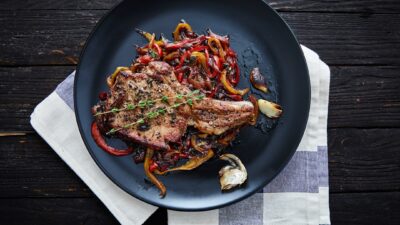
Beef sits in a more complicated position than poultry in the diabetes nutrition conversation. The carbohydrate content is zero, so blood sugar is not directly the issue. But the saturated fat load is higher than chicken or fish, and processed beef products carry observational links to cardiovascular disease and certain cancers that are hard to ignore for an adult population already at elevated cardiovascular risk. The reasonable approach is neither to ban beef nor to ignore the distinctions — to choose lean cuts, manage portions, and treat bacon and deli roast beef as occasional rather than daily foods.
Nutrition Profile by Cut
| Cut (3 oz cooked) | Calories | Protein (g) | Saturated Fat (g) | Sodium (mg) |
|---|---|---|---|---|
| Eye of round, trimmed | 140 | 25 | 1.5 | 53 |
| Top sirloin, trimmed | 160 | 26 | 3.0 | 55 |
| Flank steak, trimmed | 175 | 23 | 2.5 | 60 |
| 93% lean ground beef | 165 | 22 | 2.5 | 65 |
| 80% lean ground beef | 230 | 22 | 6.0 | 70 |
| Ribeye steak | 260 | 22 | 7.0 | 57 |
| Bacon (3 slices, ~3 oz) | 440 | 30 | 10 | 1,400 |
| Beef jerky | 115 | 9 | 1.0 | 590 |
Glycemic Impact
Plain beef has essentially no impact on blood glucose because it contains no carbohydrate. Like other proteins, it slows gastric emptying and triggers modest insulin secretion, which can blunt the post-meal rise from carbohydrates eaten alongside. The mixed-meal effect is reliable enough that some clinicians teach an extended bolus or split insulin dose for very fatty cuts like ribeye to handle delayed glucose elevation. Where beef meals push glucose is through the carbohydrate accompaniments — the bun, fries, rice, barbecue sauce, or sweetened marinade.
The Saturated Fat Question
- The American Heart Association suggests keeping saturated fat to less than 6% of calories — about 13 grams a day on a 2,000-calorie diet.
- A 6-ounce ribeye delivers roughly 14 grams of saturated fat — a full day’s allowance in one cut.
- Lean cuts (sirloin, flank, round, 93% lean ground) keep saturated fat to 3 to 6 grams per serving — workable within most heart-aware diets.
- Cooking method matters: grilling, broiling, and roasting drain fat; pan-frying retains it.
The Processed Meat Distinction
- Processed meats are preserved by smoking, curing, salting, or chemical preservatives — bacon, sausage, hot dogs, deli roast beef, and jerky qualify.
- Observational studies consistently link processed meat intake to higher cardiovascular event rates and colorectal cancer incidence.
- The World Health Organization classifies processed meat as a Group 1 carcinogen for colorectal cancer specifically.
- Nitrate and nitrite preservatives, very high sodium, and advanced glycation end products from high-heat curing are the leading suspected mechanisms.
- The practical takeaway: weekly rather than daily for someone managing diabetes.
Iron and B12 Benefits
Beef is one of the most bioavailable food sources of heme iron and vitamin B12. For adults with diabetic gastroparesis (where absorption can be impaired) or those on long-term metformin (which can lower B12 levels), this matters more than for the general population. Lean beef can be a useful tool against iron-deficiency anemia in menstruating women with diabetes. Vegetarian iron sources are less bioavailable per gram, which is something to weigh when planning a low-meat diabetes diet. See our diabetes and protein guide for broader context on protein planning.
Beef vs Other Proteins
| Protein (3 oz cooked) | Protein (g) | Saturated Fat (g) | Iron (mg) |
|---|---|---|---|
| Lean sirloin | 26 | 3.0 | 2.5 |
| Skinless chicken breast | 26 | 0.9 | 0.9 |
| Salmon (wild) | 22 | 1.0 | 0.5 |
| Pork tenderloin | 22 | 1.0 | 0.9 |
| Tofu (firm) | 15 | 0.6 | 1.7 |
Who Should Be Careful
- Anyone with established atherosclerotic cardiovascular disease — favor leanest cuts, smaller portions, and limit frequency.
- People with familial hypercholesterolemia.
- Those with gout — beef is high-purine; rotate with chicken, fish, and plant proteins.
- People with chronic kidney disease should follow individualized protein limits set with their care team.
- Anyone with iron-overload conditions like hemochromatosis.
Practical Patterns That Work
- Default to sirloin, flank, eye of round, and 93% lean ground for everyday use.
- Treat ribeye, brisket, and bacon as occasional rather than weekly staples.
- Use beef as part of a vegetable-forward plate — stir-fried strips over a mound of vegetables, beef chili heavy on beans and tomato.
- Trim visible fat before cooking; drain ground beef after browning.
- Skip the sweet barbecue sauce or use sugar-free versions to keep mixed-meal carbohydrate predictable.
The Bottom Line
Beef has a more nuanced place in a diabetes meal plan than chicken or fish. It contains no carbohydrate, so it does not directly raise blood glucose, and it offers concentrated protein, heme iron, and vitamin B12 that some adults with diabetes need. The two real concerns are saturated fat (which varies enormously by cut) and processed beef products like bacon, sausage, and deli roast beef (which carry stronger observational links to cardiovascular events and colorectal cancer). Lean cuts — sirloin, flank, eye of round, 93% lean ground — keep saturated fat to manageable levels and fit comfortably into a 12-to-18-ounce-per-week pattern. Processed varieties belong on the occasional list rather than daily. Pair beef with non-starchy vegetables and a controlled carbohydrate portion, and it functions as a sustainable part of a diabetes-friendly diet for most adults.