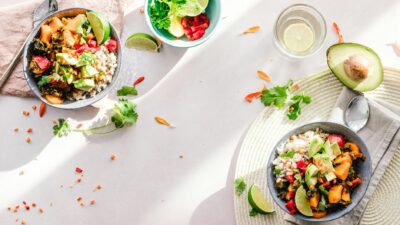
The best snacks for diabetics combine protein or healthy fat with a high-fiber carbohydrate and stay under 20 grams of carbs per serving. Pairings like Greek yogurt with berries, apple slices with peanut butter, or hummus with cucumber blunt blood sugar spikes and keep you full until the next meal.
What Makes a Snack Blood-Sugar-Friendly
Three variables decide how a snack moves blood glucose.
- Total carbohydrate — the biggest single driver of post-snack glucose. Under 20 grams is a sensible ceiling for most diabetic snacks.
- Fiber content — slows digestion and blunts the spike. Aim for at least 3 grams per snack.
- Protein and fat — delay gastric emptying so carbs enter the bloodstream gradually. Adding 7 grams of protein or 5 grams of fat to a 15-gram-carb snack typically flattens the glucose curve by 20 to 40 mg/dL.
For the longer list of pantry staples, check our healthy diabetic snacks guide.
20 Best Snacks for Diabetics
1. Hard-Boiled Eggs (2 eggs)
12 g protein, under 1 g carbs, zero fiber. A no-carb anchor that pairs with any vegetable.
2. Greek Yogurt with Blueberries (5 oz yogurt, 1/2 cup berries)
14 g protein, 15 g carbs, 2 g fiber. Pick plain, full-fat or 2%; skip flavored tubs with added sugar.
3. Apple Slices with Peanut Butter (small apple, 1 tbsp)
4 g protein, 18 g carbs, 4 g fiber. Fat in peanut butter slows apple’s natural sugar.
4. Baby Carrots with Hummus (1 cup carrots, 2 tbsp hummus)
3 g protein, 14 g carbs, 4 g fiber. Tahini’s fat plus carrot fiber keep the glycemic load low.
5. String Cheese (1 stick)
7 g protein, under 1 g carbs. Portable, stable at room temperature for an hour.
6. Almonds (1 oz, about 23 nuts)
6 g protein, 6 g carbs, 3 g fiber. Pre-portion into mini bags to avoid overdoing.
7. Cottage Cheese with Cucumber (1/2 cup, sliced cucumber)
12 g protein, 6 g carbs, 1 g fiber. Salt and pepper or everything-bagel seasoning elevate this.
8. Turkey and Cheese Roll-Ups (2 slices turkey, 1 slice cheese)
14 g protein, 1 g carb. Use low-sodium deli turkey and roll around pickle spear or avocado.
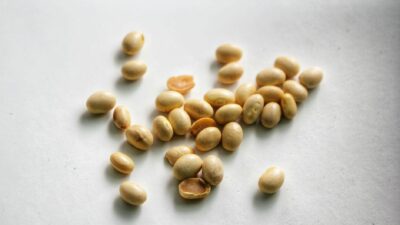
9. Edamame (1/2 cup shelled)
9 g protein, 8 g carbs, 4 g fiber. Sprinkle with sea salt; a microwave pouch takes three minutes.
10. Celery with Almond Butter (2 stalks, 1 tbsp)
3 g protein, 6 g carbs, 3 g fiber. Crunchy, hydrating, low-calorie.
11. Avocado on Cucumber Rounds (1/4 avocado, half cucumber)
2 g protein, 7 g carbs, 5 g fiber. Replace crackers with cucumber for near-zero starch.
12. Roasted Chickpeas (1/4 cup)
4 g protein, 16 g carbs, 4 g fiber. Choose unsweetened; watch brands with added sugar coatings.
13. Smoked Salmon on Cucumber (1 oz salmon, 4 cucumber slices)
5 g protein, 2 g carbs. Adds omega-3 fats linked to cardiovascular benefit.
14. Pumpkin Seeds (1 oz)
7 g protein, 5 g carbs, 2 g fiber. Magnesium-rich, which may support insulin sensitivity.
15. Chia Pudding (3 tbsp chia, 1/2 cup unsweetened almond milk)
5 g protein, 12 g carbs, 10 g fiber. Net carbs come in at 2 grams. Chill overnight; top with berries.
16. Plain Kefir with Cinnamon (1 cup)
11 g protein, 12 g carbs. Probiotics plus a teaspoon of cinnamon for flavor.
17. Tuna on Bell Pepper Slices (3 oz tuna, half pepper)
20 g protein, 5 g carbs, 2 g fiber. Mix tuna with Greek yogurt instead of mayo.
18. Olives and Feta (10 olives, 1 oz feta)
6 g protein, 3 g carbs. Watch sodium if blood pressure is a concern.
19. Dark Chocolate and Walnuts (half oz chocolate, 1/4 cup walnuts)
5 g protein, 10 g carbs, 2 g fiber. Pick 85% cacao or higher; the fat in walnuts offsets the cocoa sugar.
20. Air-Popped Popcorn with Parmesan (3 cups popped, 1 tbsp cheese)
4 g protein, 18 g carbs, 4 g fiber. A whole grain snack when portioned; skip the butter-flavored microwave bags.
Quick-Reference Snack Table
| Snack | Calories | Carbs | Protein | Fiber |
|---|---|---|---|---|
| Hard-boiled eggs (2) | 155 | 1 g | 12 g | 0 g |
| Greek yogurt + blueberries | 175 | 15 g | 14 g | 2 g |
| Apple + peanut butter | 170 | 18 g | 4 g | 4 g |
| Carrots + hummus | 145 | 14 g | 3 g | 4 g |
| String cheese | 80 | 1 g | 7 g | 0 g |
| Almonds (1 oz) | 165 | 6 g | 6 g | 3 g |
| Cottage cheese + cucumber | 110 | 6 g | 12 g | 1 g |
| Turkey + cheese roll-ups | 150 | 1 g | 14 g | 0 g |
| Edamame (1/2 c) | 100 | 8 g | 9 g | 4 g |
| Chia pudding | 180 | 12 g | 5 g | 10 g |
Snacks to Limit or Avoid
- Sugary granola bars (often 25-35 g carbs and low protein)
- Fruit juice and smoothies labeled “100% juice” (rapid glucose spike)
- Fruit snacks and gummies
- Pretzels and crackers with less than 3 g fiber per serving
- Flavored yogurt tubs (can exceed 25 g sugar)
- Sweetened dried fruit (tightly packed carbs)
Snack Timing Tips
- Skip snacks if your meals already keep you in range for 4-5 hours.
- Add a protein-forward snack before exercise lasting more than 30 minutes.
- Include a slow-carb snack at bedtime only if you have documented overnight lows.
- Rotate options to stay interested; the best plan is the one you follow.
For a broader eating framework, see the CDC’s healthy eating with diabetes guidance and our diet and nutrition hub.
The Bottom Line
Great diabetic snacks are small, balanced, and built around whole foods. Pair protein or healthy fat with a fiber-rich carb, keep total carbs under 20 grams, and pre-portion to avoid drift. Use your meter or CGM to see which combinations work for your body, and lean on vegetables, nuts, eggs, and plain Greek yogurt as reliable staples.