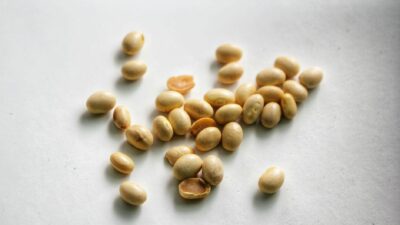
Complex carbohydrates are long-chain starches and fibers that digest slowly, keeping blood sugar steadier than simple sugars. The best choices — lentils, steel-cut oats, quinoa, brown rice, sweet potatoes, and whole wheat — pair low glycemic index with high fiber and noticeable protein.
What Makes a Carb “Complex”
Carbohydrates come in three structural groups:
- Monosaccharides (glucose, fructose) — single sugars.
- Disaccharides (sucrose, lactose) — two sugars linked.
- Polysaccharides (starch, fiber) — hundreds or thousands of glucose units chained together.
Polysaccharides are “complex.” When intact within whole grains, legumes, and vegetables, they come packaged with fiber, vitamins, minerals, and sometimes protein. Refining strips away the fiber, speeding digestion and raising glycemic impact. For the broader category overview see our complex carbohydrates guide.
Ranked List of the Best Complex Carbs
1. Lentils
Green, brown, red, and black lentils provide about 40 g carbs, 18 g fiber, and 18 g protein per cooked cup. Glycemic index 21-32. Fastest-cooking legume; ready in 20 minutes.
2. Black Beans and Kidney Beans
40 g carbs, 15 g fiber, 15 g protein per cooked cup. GI 30-35. Canned beans rinse to under 350 mg sodium per serving.
3. Chickpeas
45 g carbs, 12 g fiber, 15 g protein per cooked cup. GI 28. Versatile — roast, mash into hummus, or toss into salads.
4. Steel-Cut Oats
27 g carbs, 4 g fiber, 5 g protein per cooked cup. GI 42-55. Choose steel-cut or old-fashioned over instant, whose GI climbs to 79.
5. Pearl Barley
44 g carbs, 6 g fiber, 4 g protein per cooked cup. GI 25-30. Great in soups; slow cooker friendly.
6. Quinoa
39 g carbs, 5 g fiber, 8 g protein per cooked cup. GI 53. Technically a seed; gluten-free.
7. Farro and Wheat Berries
47 g carbs, 7 g fiber, 12 g protein per cooked cup. GI 45. Chewy whole grains rich in magnesium.
8. Brown Rice
45 g carbs, 4 g fiber, 5 g protein per cooked cup. GI 50-55. Long-grain varieties score lowest.
9. Wild Rice
35 g carbs, 3 g fiber, 7 g protein per cooked cup. GI 45. Despite the name, it is a grass seed.
10. Sweet Potato (with skin)
27 g carbs, 4 g fiber, 2 g protein per medium baked potato. GI 44-61 (boiled is lower than baked). Loaded with vitamin A.
11. Buckwheat (Kasha or Soba)
33 g carbs, 5 g fiber, 6 g protein per cooked cup. GI 45. Naturally gluten-free.
12. Whole-Grain Bulgur
34 g carbs, 8 g fiber, 6 g protein per cooked cup. GI 46. Cooks in 10-15 minutes.
13. Whole-Grain Rye Bread
15 g carbs, 2 g fiber, 3 g protein per slice. GI 41-58, much lower than white. Look for “whole rye” or pumpernickel.
14. 100% Whole-Wheat Bread
13 g carbs, 2 g fiber, 4 g protein per slice. GI 51-71. The first ingredient should be “whole wheat flour.”
15. Whole-Wheat Pasta
37 g carbs, 6 g fiber, 7 g protein per cooked cup. GI 42. Cook al dente; overcooking raises GI.
16. Butternut and Acorn Squash
22 g carbs, 7 g fiber per cooked cup. GI 51 (butternut). Roast with olive oil for sweetness.
17. Green Peas
25 g carbs, 9 g fiber, 9 g protein per cooked cup. GI 48. Frozen works as well as fresh.
18. Corn (whole kernel)
30 g carbs, 3 g fiber, 5 g protein per cooked cup. GI 52. On the higher end of complex carbs.
19. Millet and Sorghum
40 g carbs, 2-6 g fiber, 6 g protein per cooked cup. GI 55-71. Ancient grains worth rotating in.
20. Parsnips and Rutabaga
18-24 g carbs, 5-6 g fiber per cooked cup. GI 52. Roast as a lower-starch alternative to potatoes.
Complex Carb Comparison Table
| Food (cooked cup) | Carbs | Fiber | Protein | Glycemic index |
|---|---|---|---|---|
| Lentils | 40 g | 18 g | 18 g | 21-32 |
| Black beans | 40 g | 15 g | 15 g | 30 |
| Chickpeas | 45 g | 12 g | 15 g | 28 |
| Pearl barley | 44 g | 6 g | 4 g | 25-30 |
| Steel-cut oats | 27 g | 4 g | 5 g | 42-55 |
| Quinoa | 39 g | 5 g | 8 g | 53 |
| Wheat berries | 47 g | 7 g | 12 g | 45 |
| Brown rice | 45 g | 4 g | 5 g | 50-55 |
| Sweet potato (medium) | 27 g | 4 g | 2 g | 44-61 |
| Whole-wheat pasta | 37 g | 6 g | 7 g | 42 |
| Butternut squash | 22 g | 7 g | 2 g | 51 |
| Green peas | 25 g | 9 g | 9 g | 48 |
Swaps to Make Today
- White rice → wild rice or long-grain brown rice
- White bread → 100% whole-rye or sprouted-grain bread
- Instant oatmeal → steel-cut oats cooked the night before
- Mashed potatoes → roasted sweet potato cubes
- White pasta → whole-wheat pasta or lentil pasta
- Flour tortillas → corn or sprouted whole-grain tortillas
- Sugary cereal → plain whole-grain muesli with berries
How to Use This List
- Plan half your plate as non-starchy vegetables first.
- Add a quarter plate of protein.
- Fill the remaining quarter with one of the complex carbs above.
- Add a spoon of healthy fat (olive oil, avocado, nuts).
- Recheck blood glucose 1-2 hours after eating to see how your body responds.
According to the American Diabetes Association, replacing refined grains with whole grains lowers both A1C and triglycerides in people with type 2 diabetes. The diet and nutrition hub covers how to structure full meal patterns around these foods.
The Bottom Line
Complex carbs are not all equal. Lentils and barley behave very differently from instant mashed potatoes, even though both are “starchy.” Lean on legumes, whole grains, and starchy vegetables with fiber and protein attached, keep portions measured, and pair with protein and vegetables to keep post-meal glucose steady.