Complex carbohydrates are long chains of sugars bundled with fiber, vitamins, and minerals. Unlike simple carbs (sugar, juice, white flour) that spike blood sugar fast, complex carbs from whole grains, beans, and vegetables release glucose slowly. They are the foundation of any blood-sugar-friendly diet.
Simple vs. Complex Carbohydrates
| Feature | Simple Carbs | Complex Carbs |
|---|---|---|
| Structure | 1-2 sugar molecules | Long sugar chains (starch and fiber) |
| Digestion speed | Fast (10-20 min) | Slow (1-3 hours) |
| Glucose impact | Sharp spike | Gradual rise |
| Fiber content | Low or none | High |
| Nutrient density | Low | High (B vitamins, minerals) |
| Examples | Sugar, soda, juice, candy, white bread | Oats, beans, quinoa, vegetables, berries |
Note that some “complex” carbs (white rice, refined wheat flour) digest almost as quickly as simple carbs because the bran and germ have been removed. The most useful distinction is whether the food is whole or refined.
Best Complex Carbohydrate Sources
Whole Grains
- Steel-cut and rolled oats — beta-glucan fiber lowers post-meal glucose
- Barley — among the lowest glycemic grains
- Quinoa — complete protein, naturally gluten-free
- Brown rice and wild rice
- Bulgur and farro
- Whole-wheat berries, freekeh
- 100% whole-grain bread (not “wheat bread”)
Legumes (the Glucose Champions)
- Black beans, kidney beans, pinto beans, chickpeas
- Lentils (red, green, brown, French)
- Edamame and soybeans
- Split peas and black-eyed peas
Legumes have one of the lowest glycemic indexes of any carbohydrate food — typically GI 25-40.
Starchy Vegetables (in Moderation)
- Sweet potatoes (especially when cooled and reheated, which raises resistant starch)
- Butternut, acorn, and kabocha squash
- Corn and peas
- Pumpkin
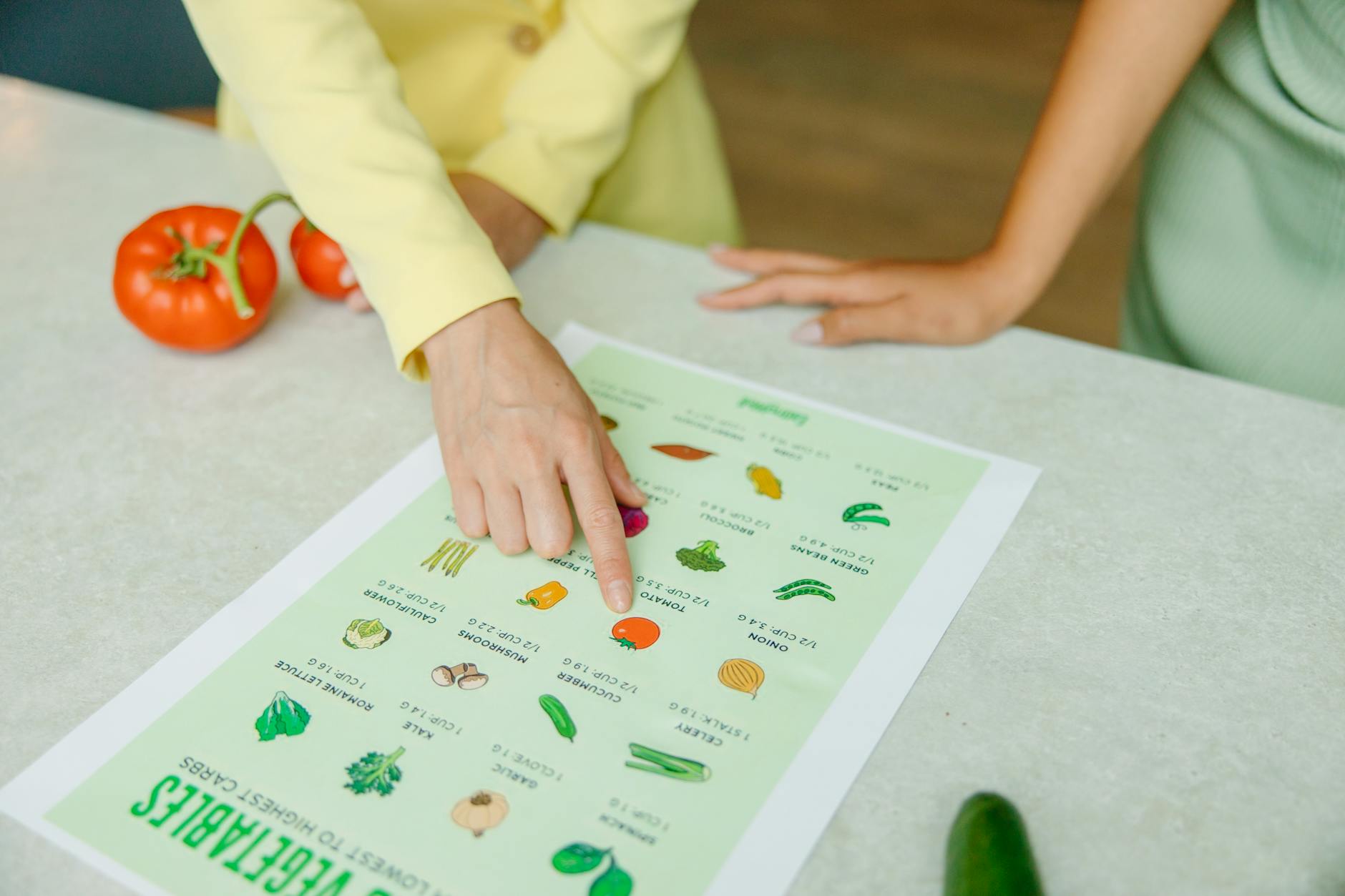
Non-Starchy Vegetables (Eat Freely)
- Leafy greens, broccoli, cauliflower, Brussels sprouts
- Bell peppers, zucchini, eggplant
- Asparagus, green beans, mushrooms
- Tomatoes, cucumbers, celery
Fruits
- Berries (lowest sugar — strawberries, blueberries, raspberries)
- Apples, pears, peaches
- Citrus (oranges, grapefruit)
- Cherries
Glycemic Impact Comparison
| Food (1 serving) | Glycemic Index | Glycemic Load |
|---|---|---|
| Lentils, ½ cup cooked | 32 | 5 |
| Steel-cut oats, 1 cup | 42 | 9 |
| Quinoa, 1 cup | 53 | 13 |
| Sweet potato, ½ cup | 54 | 11 |
| Brown rice, 1 cup | 68 | 22 |
| Whole-wheat bread, 1 slice | 71 | 8 |
| White bread, 1 slice | 75 | 10 |
| White rice, 1 cup | 79 | 26 |
| Cornflakes, 1 cup | 81 | 21 |
| Glucose (reference) | 100 | — |
Glycemic load (GL) accounts for portion size: under 10 is low, 11-19 medium, 20+ high. Aim for most meals to total a GL under 20.
How Much Fiber to Aim For
The Dietary Guidelines for Americans recommend:
- Women: 25 g fiber per day
- Men: 38 g per day
The average American eats only 15 g. Boosting fiber to 30+ g per day from whole-food sources is associated with a 0.3-0.5% A1C reduction in observational studies, according to the CDC.
How to Build Meals Around Complex Carbs
Use the diabetes plate method, endorsed by the American Diabetes Association:
- ½ plate — non-starchy vegetables (broccoli, salad, peppers)
- ¼ plate — lean protein (chicken, fish, tofu, beans)
- ¼ plate — complex carb (½-1 cup cooked grain or starchy vegetable)
- Side — small piece of fruit or plain yogurt
Sample Meals
- Breakfast: Steel-cut oats topped with berries, walnuts, and Greek yogurt.
- Lunch: Lentil soup, mixed-greens salad with olive oil, slice of whole-grain bread.
- Dinner: Grilled salmon, roasted Brussels sprouts, ¾ cup quinoa, lemon.
- Snack: Apple slices with almond butter, or hummus with cucumber.
Tips to Maximize the Benefit
- Pair carbs with protein and fat — slows absorption further.
- Eat the salad first — vegetables before carbs blunt the spike.
- Cool starches — refrigerated rice, potatoes, and pasta develop resistant starch.
- Keep portions moderate — even great carbs in large amounts will spike glucose.
- Choose intact grains — steel-cut over instant, whole berries over flour.
- Walk after meals — even 10 minutes lowers post-meal glucose.
What to Limit or Avoid
- Sugar-sweetened beverages (soda, sweet tea, juice)
- White bread, bagels, and most breakfast cereals
- White rice and pasta in large portions
- Pastries, cookies, candy
- Granola bars and “energy” snacks high in added sugar
- Sweetened yogurts and flavored coffee drinks
For broader meal planning, see our prediabetes diet guide and our overview of diet and nutrition.
The Bottom Line
Complex carbohydrates are nature’s slow-release fuel. Built around oats, legumes, quinoa, sweet potatoes, and non-starchy vegetables, they raise glucose modestly and deliver fiber, vitamins, and minerals. Aim for 25-38 g of fiber daily, fill half your plate with vegetables, and pair carbs with protein and healthy fat. Replacing refined grains and sugar with complex carbs is one of the most effective steps you can take if you are managing prediabetes or diabetes.