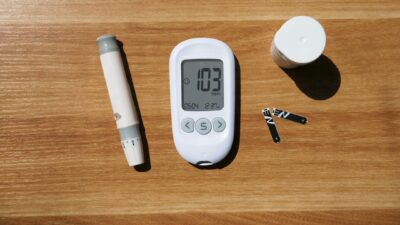
Blood sugar fluctuations are the normal daily rise and fall of glucose in your bloodstream, usually staying between 70 and 140 mg/dL in adults without diabetes. Problems start when those swings get wider, last longer, or push fasting values above 100 mg/dL, which may signal insulin resistance or prediabetes.
What Counts as a Normal Blood Sugar Fluctuation
Every meal, workout, and stressful meeting nudges your glucose. In metabolically healthy adults, the pancreas releases just enough insulin to keep post-meal peaks below 140 mg/dL, and levels return to baseline within two to three hours. Overnight, the liver trickles glucose into the bloodstream so fasting values land in the 70 to 99 mg/dL range.
A healthy fluctuation looks like a gentle wave. A problematic one looks like a roller coaster: sharp spikes to 180 mg/dL or above, followed by crashes that leave you shaky or tired. Understanding your own pattern is the first step toward steadier energy and better A1C levels.
Common Causes of Wide Swings
Not all fluctuations come from food. The most frequent drivers include:
- Refined carbohydrates: White bread, sugary drinks, and pastries raise glucose faster than your insulin can keep up.
- Skipped meals: Long gaps followed by a big meal amplify the post-meal spike.
- Poor sleep: Even one night of short sleep reduces insulin sensitivity by up to 25 percent.
- Stress and illness: Cortisol, adrenaline, and inflammation all raise glucose.
- Dehydration: Less water in the blood concentrates the glucose already there.
- Medications: Steroids, some antidepressants, and decongestants can push numbers up.
Typical Patterns and What They Mean
| Pattern | What It Looks Like | Likely Cause |
|---|---|---|
| Dawn phenomenon | Fasting glucose rises 4 to 8 a.m. | Overnight cortisol and growth hormone |
| Post-meal spike | Peak over 180 mg/dL one to two hours after eating | Refined carbs, insulin resistance |
| Reactive low | Crash below 70 mg/dL two to four hours after a meal | Exaggerated insulin response |
| Stress hump | Midday rise with no meal | Cortisol surge |
| Exercise dip | Sharp fall during or after a hard workout | Muscle glucose uptake |
How to Measure Your Fluctuations
A standard fingerstick glucometer works, but continuous glucose monitors (CGMs) reveal far more. A two-week CGM trial often shows patterns fingersticks miss, such as overnight spikes or reactive lows. Aim to log each value alongside food, sleep, and activity notes so trends become obvious.
Key metrics to watch:
- Time in range (70 to 140 mg/dL) above 90 percent is a reasonable goal for nondiabetic adults.
- Glucose variability (standard deviation) under 20 mg/dL suggests stable control.
- Fasting values repeatedly above 100 mg/dL warrant screening for prediabetes.
Lifestyle Strategies That Smooth the Curve
Small, consistent habits flatten the glucose curve more than any single rule. Evidence-backed moves:
- Sequence your meal: Eat fiber and protein before starch to blunt the spike.
- Walk after eating: Ten minutes of light walking can lower the peak by 15 to 30 mg/dL.
- Prioritize sleep: Seven to eight hours improves next-day insulin sensitivity.
- Stay hydrated: Dehydration concentrates glucose and worsens readings.
- Choose whole foods: A prediabetes-friendly diet built on vegetables, lean protein, and whole grains steadies both peaks and troughs.
When Fluctuations Signal Something Bigger
Occasional spikes after a birthday cake are nothing to worry about. Persistent patterns are. According to the American Diabetes Association, a fasting glucose of 100 to 125 mg/dL or an A1C of 5.7 to 6.4 percent defines prediabetes. If your home readings consistently land there, ask for a lab-confirmed A1C and fasting plasma glucose test.
Fluctuations in People Without Diabetes
Even in people with perfect metabolic health, some variability is expected. Stress from a tough meeting, a poor night of sleep, a large pasta dinner, or a missed workout all produce measurable shifts. The difference is magnitude and recovery time. A healthy system absorbs these inputs and returns to baseline quickly, while an insulin-resistant system magnifies them and takes longer to normalize. This is why two people can eat the same meal and see very different responses on a continuous glucose monitor.
The Bottom Line
Blood sugar fluctuations are a normal part of daily physiology, but the size, timing, and frequency of your swings tell a story about your metabolic health. Track your numbers, note the triggers, and address wide swings with food sequencing, movement, sleep, and hydration. If patterns persist, see your clinician for formal screening rather than guessing from home readings.
This article is for educational purposes only and is not a substitute for personalized medical advice. Always consult a qualified healthcare provider about your glucose results.