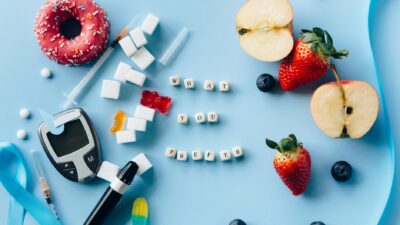
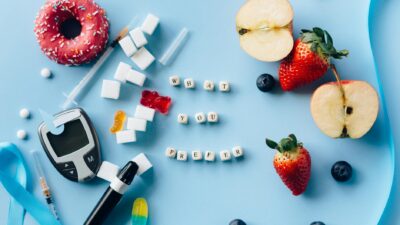
The question what spikes blood sugar has a longer answer than just “sugar.” Refined carbs, sugary drinks, large portions, poor sleep, stress, illness, and certain medications all push glucose up—sometimes sharply. The good news: most spikes are preventable with simple, evidence-backed tweaks to what and how you eat.
The Top Food Culprits
Foods that digest fastest and carry the most grams of carbohydrate per bite produce the biggest spikes. According to the Harvard T.H. Chan School of Public Health, glycemic load and fiber content predict most of the response.
| Food | Typical Spike Size | Why |
|---|---|---|
| Regular soda (12 oz) | Very large | 39 g liquid sugar, no fiber |
| White bread (2 slices) | Large | Refined flour, fast digestion |
| White rice (1 cup) | Large | ~45 g starch, minimal fiber |
| Fruit juice (8 oz) | Large | Natural sugar without pulp |
| Breakfast cereal | Moderate–large | Processed, often sweetened |
| French fries | Moderate | Fried potato, high GI |
| Sweetened yogurt | Moderate | Added sugars |
| Candy and pastries | Large | Sugar plus refined flour |
Liquid Carbs Are the Worst Offenders
Soda, fruit juice, sweet tea, sports drinks, and flavored coffees hit the bloodstream within minutes. There is no fiber, protein, or fat to slow absorption. A single 20-ounce soda can push glucose up 60–100 mg/dL in people with prediabetes.
Processed Starches Behave Like Sugar
White bread, bagels, crackers, pretzels, and white rice break down to glucose almost as quickly as table sugar. Swapping to whole-grain options with visible kernels and intact fiber reduces the spike substantially.
Sneaky Spikers
Plenty of foods marketed as “healthy” still spike glucose:
- Smoothies: Even all-fruit blends can carry 40–60 g of sugar.
- Granola and granola bars: Often sweetened with syrups and honey.
- Flavored oatmeal packets: Added sugar and refined oats.
- Dried fruit: Concentrated natural sugar without water.
- Sushi rolls: White rice plus sweetened rice vinegar.
- Condiments: Ketchup, BBQ sauce, teriyaki, honey mustard.
- “Low-fat” snacks: Fat often replaced with sugar.
Non-Food Triggers That Spike Glucose
Poor Sleep
One night under 6 hours can raise fasting glucose by 10–15 mg/dL and reduce insulin sensitivity for 24–48 hours afterward.
Stress
Cortisol and adrenaline tell the liver to release stored glucose. Chronic stress keeps the tap open. Work pressure, arguments, and financial stress all register on a CGM.
Illness and Infection
Even a cold can raise glucose 30–50 mg/dL. Inflammation triggers counter-regulatory hormones that oppose insulin.
Dehydration
Less water means more concentrated blood glucose. Mild dehydration alone can push readings up 10–20 mg/dL.
Certain Medications
Steroids (prednisone), some antidepressants, thiazide diuretics, beta-blockers, and decongestants can all raise glucose. Never stop a prescribed medication on your own—discuss with your clinician.
Dawn Phenomenon
Between 4 and 8 a.m., cortisol and growth hormone naturally rise, dumping glucose from the liver. Most common cause of elevated fasting numbers.
How to Flatten the Curve
Eat Foods in the Right Order
A 2015 study in Diabetes Care found eating vegetables and protein before carbs cut post-meal glucose by 29–37%. Save bread, rice, and pasta for last.
Pair Carbs With Protein, Fiber, and Fat
An apple alone spikes; an apple with peanut butter does not. Rice with salmon and broccoli spikes less than rice alone. Put something else on your plate before the carb arrives.
Walk After Meals
Even 10 minutes of walking within 30 minutes of eating can lower the post-meal peak by 20–50 mg/dL. The effect is reproducible across studies.
Choose Fermented or Whole Versions
Sourdough spikes less than standard white bread. Steel-cut oats spike less than instant. Whole fruit spikes less than juice.
Mind Portion Size
Doubling a carb portion roughly doubles the spike. Visual aids: 1/2 cup rice (not 2 cups), 1 slice bread (not 3), 1 small potato (not a loaded baked potato).
Track Your Personal Triggers
Glucose responses are highly individual. A finger-stick meter or 2-week CGM trial reveals the foods and habits that actually move your numbers. Test before a meal and 1–2 hours after; anything under a 40 mg/dL rise is typically considered well-controlled for people with prediabetes. The ADA supports self-monitoring as a core tool. Our A1C levels guide walks through what to pair those spot-checks with.
What Does Not Spike Blood Sugar
Meat, fish, eggs, tofu, most non-starchy vegetables, nuts, seeds, avocados, olive oil, and plain water all have a minimal glucose impact. Building meals around these foundations keeps baseline readings steady. For meal planning help, see our diet and nutrition hub.
When Spikes Signal a Problem
Occasional spikes are normal. But fasting glucose repeatedly above 100 mg/dL, A1C at 5.7% or higher, or post-meal readings routinely above 180 mg/dL warrant a clinician visit. Per the CDC, 96 million U.S. adults have prediabetes—and 80% are undiagnosed.
The Bottom Line
What spikes blood sugar is not mysterious: refined carbs, sugary drinks, large portions, stress, poor sleep, and illness all drive glucose up. Pair carbs with protein and fiber, walk after meals, prioritize sleep, and test your personal triggers. Small daily habits compound into real A1C change over weeks, not months.
This article is educational and not a substitute for personalized medical advice. Always consult your healthcare provider about symptoms, testing, and treatment.