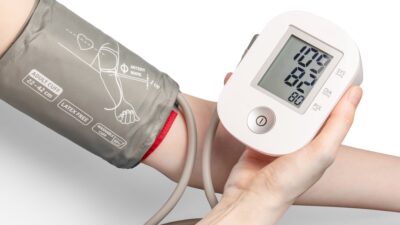
A 134 blood sugar reading lands in very different zones depending on when you tested. Fasting, it exceeds the prediabetes range and nudges into diabetes territory. After a meal, it is well within normal. Context—timing, what you ate, sleep, and repetition—determines whether 134 is a yellow light, a red light, or nothing at all.
What 134 Means in Context
The American Diabetes Association uses different cutoffs for fasting versus post-meal glucose. A 134 can be normal or concerning depending on which category applies.
| Timing | Normal | Prediabetes | Diabetes | Is 134 OK? |
|---|---|---|---|---|
| Fasting (8+ hr) | 70–99 | 100–125 | 126+ | No — elevated |
| 1 hr post-meal | Under 180 | 180–199 | 200+ | Yes — normal |
| 2 hr post-meal | Under 140 | 140–199 | 200+ | Yes — normal |
| Random (no context) | Varies | — | 200+ with symptoms | Usually fine |
Fasting 134 Is the Concerning Scenario
A confirmed fasting glucose of 126 mg/dL or higher on two separate days meets the ADA’s diagnostic threshold for type 2 diabetes. A 134 is above that cutoff. One reading does not diagnose diabetes—daily variation is real—but it is enough to warrant a repeat test and an A1C.
Post-Meal 134 Is Reassuring
Most people without diabetes peak between 120 and 160 mg/dL an hour after a typical meal. By 2 hours, readings usually fall under 140. A 134 at 1–2 hours says your body handled that meal well.
Why Your Number Might Be 134
Fasting Causes
- Dawn phenomenon: Cortisol and growth hormone release glucose between 4 and 8 a.m.
- Late or large dinner: Carbs from 10 p.m. can still be elevated at 7 a.m.
- Poor sleep: One night under 6 hours raises fasting glucose 10–15 mg/dL.
- Stress and illness: Cortisol keeps glucose elevated.
- Medications: Steroids, thiazides, some antidepressants.
- Developing insulin resistance: The most common underlying cause.
Post-Meal Causes
- A balanced meal with some carbs—totally expected.
- Did not spike past normal range—good news.
Confirming What 134 Really Means
Repeat the Fasting Test
Test three mornings in a row, ideally at the same time, after 8+ hours without food. Average the readings. Single values are noisy.
Ask for an A1C
A1C reflects the 3-month average and is less susceptible to daily fluctuation. A1C cutoffs:
| A1C | Category |
|---|---|
| Below 5.7% | Normal |
| 5.7–6.4% | Prediabetes |
| 6.5% or higher | Diabetes |
Consider an Oral Glucose Tolerance Test (OGTT)
An OGTT measures how you process a sugar drink over 2 hours. A 2-hour reading of 200 mg/dL or higher indicates diabetes; 140–199 indicates prediabetes.
How to Bring a Fasting 134 Down
Evening Habits First
Shift dinner earlier (3+ hours before bed), keep it protein-forward, and take a 15-minute walk afterward. Evening habits have outsized effects on morning glucose.
Sleep 7–9 Hours
Consistent sleep is one of the most under-discussed glucose tools. The CDC links poor sleep to higher A1C and metabolic syndrome.
Move Daily
150 minutes of moderate activity weekly improves insulin sensitivity measurably within 2–4 weeks. Resistance training 2–3 times weekly adds benefit.
Lose 5–7% of Body Weight If Applicable
The CDC’s Diabetes Prevention Program shows this cuts progression to type 2 diabetes by 58% in high-risk adults.
Reduce Refined Carbs
Swap white rice for brown or quinoa; white bread for whole-grain sourdough; soda and juice for water. These single swaps often drop fasting numbers 10–20 mg/dL within weeks.
When 134 Is an Emergency
On its own, 134 is never an emergency. But if combined with extreme thirst, frequent urination, unexplained weight loss, blurred vision, fruity breath, nausea, or confusion, seek urgent care. These suggest possible diabetic ketoacidosis (DKA) in people with type 1 diabetes, or severe hyperglycemia in type 2.
Tracking Progress Over Time
One number tells a thin story. Pair fasting glucose with A1C every 3 months, keep a short food and sleep log, and consider a 2-week CGM trial if your clinician agrees. Our prediabetes 101 hub covers the full monitoring picture, and our is prediabetes reversible guide lays out the evidence behind lifestyle change.
The Bottom Line
A 134 blood sugar reading means different things depending on timing. Post-meal, it is normal. Fasting, it suggests possible diabetes and deserves repeat testing, an A1C, and a clinician visit. Most people at this level can move numbers back into normal range with focused evening habits, sleep, and activity over 8–12 weeks. Treat it as a prompt, not a verdict.
This article is educational and not a substitute for personalized medical advice. Always consult your healthcare provider about symptoms, testing, and treatment.