Yes, people with diabetes or prediabetes can eat bananas — with some awareness about ripeness and portion size. A green banana has a glycemic index of about 30 (low), while an overripe, spotted banana reaches a GI of 62 (medium-high). Choosing the right banana at the right stage of ripeness makes a meaningful difference.
How Ripeness Changes a Banana’s Blood Sugar Impact
Few foods change their glycemic profile as dramatically as bananas do while sitting on your kitchen counter. The key is resistant starch — a type of starch your body can’t fully digest, so it acts more like fiber than sugar.
An unripe green banana is about 70-80% resistant starch by dry weight. As the banana ripens, enzymes convert that resistant starch into free sugars — glucose, fructose, and sucrose. By the time a banana has brown spots, nearly all the resistant starch has converted to sugar. According to research published in the American Journal of Clinical Nutrition, this transformation fundamentally changes how quickly the banana raises blood glucose.
| Banana Ripeness | Appearance | Glycemic Index | Resistant Starch | Free Sugars | Blood Sugar Impact |
|---|---|---|---|---|---|
| Green (unripe) | Solid green, firm | ~30 (low) | High (70-80%) | Low | Slow, gentle rise |
| Yellow-green | Mostly yellow, green tips | ~42 (low) | Moderate | Moderate | Moderate rise |
| Yellow (ripe) | Bright yellow, no spots | ~51 (medium) | Low | High | Moderate-fast rise |
| Spotted (overripe) | Yellow with brown spots | ~62 (medium-high) | Very low | Very high | Fast rise |
Practical takeaway: If you enjoy bananas, eat them on the greener side — yellow-green or just barely yellow. The taste difference is subtle (slightly less sweet, slightly firmer), but the blood sugar difference is substantial.
Banana Nutrition for Diabetics
Despite their sugar content, bananas provide several nutrients that are genuinely beneficial for people managing blood sugar and cardiovascular risk.
One medium banana (about 7 inches) contains:
- Calories: 105
- Carbohydrates: 27 g
- Fiber: 3 g
- Sugar: 14 g (ripe)
- Potassium: 422 mg (12% DV) — important for blood pressure management
- Vitamin B6: 0.4 mg (25% DV) — supports nerve function and metabolism
- Magnesium: 32 mg (8% DV) — linked to insulin sensitivity
- Vitamin C: 10 mg (11% DV)
The potassium content is particularly relevant. Many people with diabetes also have high blood pressure, and potassium helps counteract sodium’s blood-pressure-raising effects. The American Diabetes Association includes bananas among the fruits people with diabetes can enjoy as part of a balanced meal plan.
Portion Size: The Half-Banana Strategy
A whole medium banana contains 27 grams of carbohydrates — roughly two carb servings. For many people managing blood sugar, that’s a significant portion of a meal’s carb budget. The simplest strategy is to eat half a banana (about 13-14 grams of carbs, or one carb serving).
Half a medium banana is enough to satisfy a craving, add natural sweetness to a meal or snack, and provide the potassium and other nutrients — without overloading your carb budget.
What to do with the other half: wrap it in plastic and refrigerate. The peel will turn brown in the fridge, but the flesh stays fresh for 1-2 days. Or slice the whole banana, freeze the portions you don’t eat, and use them later in smoothies.
Best Ways to Eat Bananas With Diabetes
Eating a banana by itself on an empty stomach produces a faster blood sugar response than eating it with other foods. The key strategy is pairing — combining banana with protein, healthy fat, or both to slow glucose absorption.
Smart Banana Pairings
- Half banana + 1 tablespoon peanut or almond butter: The fat and protein in nut butter slow the sugar absorption significantly. A classic snack that keeps blood sugar steady.
- Banana slices in oatmeal: Steel-cut or rolled oats with a few banana slices add natural sweetness without needing added sugar. The oat fiber further slows absorption.
- Half banana + Greek yogurt: The protein in Greek yogurt (15-20g per serving) balances the banana’s carbs for a satiating snack.
- Banana + handful of nuts: Almonds, walnuts, or pecans add protein and healthy fat while keeping the snack portable.
- Frozen banana blended into a smoothie: Add protein powder, spinach, and unsweetened almond milk for a balanced meal replacement.
Ways to Avoid
- Banana bread or muffins: These add flour, sugar, butter, and often chocolate chips — turning a moderate-GI fruit into a high-GI dessert.
- Banana in sweetened cereal: Adding banana to already-sugary cereal doubles the sugar load.
- Dried banana chips: Often fried and coated in sugar. Much higher in calories and concentrated sugar than fresh banana.
- Banana with honey or chocolate: Unnecessary added sugars on top of the banana’s natural sugar.
Banana Alternatives: Lower-GI Fruits
If you find that even half a banana raises your blood sugar more than you’d like — or if you want more variety — several fruits offer lower glycemic impact with comparable nutrition.
| Fruit (1 serving) | Glycemic Index | Carbs per Serving | Fiber | Key Nutrient |
|---|---|---|---|---|
| Strawberries (1 cup) | 25 | 12 g | 3 g | Vitamin C |
| Blueberries (3/4 cup) | 25 | 16 g | 2.5 g | Anthocyanins |
| Cherries (1 cup) | 22 | 22 g | 3 g | Anti-inflammatory compounds |
| Green apple (1 small) | 28-44 | 21 g | 3.5 g | Pectin fiber |
| Grapefruit (1/2) | 25 | 13 g | 2 g | Vitamin C, naringenin |
| Banana, yellow (1 medium) | 51 | 27 g | 3 g | Potassium, B6 |
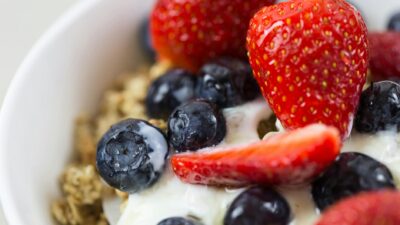
Berries are consistently the best fruit choice for blood sugar management — lower in carbs, lower in GI, and rich in antioxidants. For a complete overview, see our guide on best foods for prediabetes.
What About Banana Flour and Green Banana Starch?
Green banana flour — made from dried, ground unripe bananas — has gained attention as a resistant starch supplement. It’s rich in the same resistant starch that makes green bananas blood-sugar-friendly, and some people use it as a partial flour substitute in baking.
While this is a legitimate source of resistant starch, the research on its blood sugar benefits is still early. If you’re interested, start with small amounts (1-2 tablespoons mixed into smoothies or used in baking) and monitor your blood sugar response. It’s not a magic bullet, but it can be a useful tool in a broader prediabetes management strategy.
The Bottom Line
Bananas are not off-limits for people with diabetes or prediabetes, but how you eat them matters. Choose yellow-green or just-ripe bananas over overripe spotted ones — the glycemic index difference (GI 30-42 vs. 62) is significant. Stick to half a banana per serving, pair it with protein or healthy fat like nut butter or Greek yogurt, and account for the carbs in your meal plan. If bananas consistently spike your blood sugar despite these strategies, switch to lower-GI fruits like berries or green apples. Talk with your doctor or dietitian about what fruit portions work best for your individual blood sugar targets.