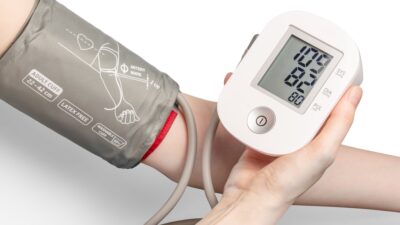
Can high blood sugar cause high blood pressure? Yes, persistently elevated blood sugar can cause or worsen high blood pressure by promoting insulin resistance, stiffening arteries, damaging the kidneys, and prompting the body to retain sodium. The connection is strong enough that roughly two out of three adults with diabetes also have hypertension, and the combination multiplies the risk of heart attack, stroke, and kidney disease.
How High Blood Sugar and High Blood Pressure Are Linked
Blood sugar and blood pressure share the same root cause in most people: metabolic dysfunction and insulin resistance. When cells resist insulin, the pancreas pumps out more, and insulin itself acts on the kidneys and blood vessels in ways that raise pressure.
Here are the main biological pathways:
- Sodium retention: Insulin signals the kidneys to hold onto sodium. More sodium means more water in the blood volume, which raises pressure.
- Sympathetic nervous system activation: Chronic hyperglycemia and hyperinsulinemia increase sympathetic tone, constricting blood vessels.
- Endothelial dysfunction: High glucose reduces nitric oxide availability, so blood vessels cannot relax normally.
- Arterial stiffening: Glucose binds to proteins (glycation) in artery walls, creating AGEs that make vessels rigid and raise systolic pressure.
- Kidney damage: Diabetic nephropathy reduces the kidney’s ability to excrete sodium, which feeds back into higher pressure.
- Visceral fat inflammation: Insulin resistance and abdominal fat release inflammatory cytokines and angiotensin-related signals that constrict vessels.
How Common Is the Combination?
According to the Centers for Disease Control and Prevention, about 74 percent of US adults with diagnosed diabetes also have high blood pressure (defined as 130/80 mm Hg or higher, or taking antihypertensive medication). The same CDC analysis found that adults with diabetes are twice as likely to die from heart disease as those without.
The Math of Combined Risk
Having high blood sugar alone roughly doubles cardiovascular risk. Having high blood pressure alone roughly doubles it too. Having both does not just add (2+2) but multiplies, producing roughly a four-fold increase in heart attack and stroke risk.
| Condition | Approximate CVD Risk Increase |
|---|---|
| Neither | Baseline |
| High blood sugar only | ~2x |
| High blood pressure only | ~2x |
| Both | ~4x |
Short-Term vs. Long-Term Effects
Short-Term Spikes
A single post-meal glucose spike of 200 mg/dL may raise blood pressure by 5 to 10 mm Hg for an hour or two through sympathetic activation. This is reversible and not usually a standalone health risk.
Long-Term Hyperglycemia
Chronic high blood sugar over months to years produces the structural changes (stiff arteries, damaged kidneys, thickened ventricles) that cement hypertension. These are the changes you cannot fully reverse, which is why early intervention in prediabetes matters.
Blood Pressure Targets When You Have High Blood Sugar
The American Diabetes Association 2024 Standards of Care recommend:
- Under 130/80 mm Hg for most adults with diabetes and high cardiovascular risk, if it can be achieved safely.
- Under 140/90 mm Hg as a minimum target for adults with diabetes.
- Individualized higher targets for older adults with frailty or high fall risk.
Can Lowering Blood Sugar Lower Blood Pressure?
Often yes. Multiple large trials show that reducing A1C by one percentage point, particularly when done through weight loss and exercise rather than medication alone, lowers systolic blood pressure by roughly 3 to 5 mm Hg. GLP-1 receptor agonists and SGLT2 inhibitors (newer diabetes medications) have direct blood pressure-lowering effects beyond their glucose effects.
Can Lowering Blood Pressure Lower Blood Sugar?
Less directly, but some blood pressure medications (ACE inhibitors, ARBs) improve insulin sensitivity, while others (thiazide diuretics, beta blockers) can slightly raise blood sugar. Your clinician will choose based on your full picture.
Practical Steps to Lower Both
Lose 5 to 10 Percent of Body Weight
This is the single most effective intervention for both conditions. Weight loss of 7 percent lowers A1C by 0.5 to 1.0 and systolic pressure by 5 to 10 mm Hg in trials like the Diabetes Prevention Program.
Follow a DASH- or Mediterranean-Style Diet
Both emphasize vegetables, legumes, whole grains, olive oil, and fish, and limit sodium to 1,500 to 2,300 mg per day. The prediabetes diet hub has meal planning details.
Move Daily
150 minutes per week of moderate aerobic activity plus two resistance sessions lowers A1C by 0.5 to 0.7 and systolic BP by 4 to 7 mm Hg.
Cut Added Sugar and Ultra-Processed Foods
Sugar-sweetened beverages are independently linked to both hypertension and insulin resistance. Water, unsweetened tea, and coffee are better defaults.
Sleep Seven to Nine Hours
Short sleep raises both cortisol and insulin resistance overnight, worsening both numbers.
Monitor at Home
Check blood pressure twice a week at the same time of day, and review A1C levels every three to six months with your clinician.
When to Call Your Doctor
Seek care the same day if blood pressure is 180/120 mm Hg or higher, or if you have chest pain, shortness of breath, or sudden headache. For routine management, review trends at every appointment rather than reacting to single readings.
The Bottom Line
Can high blood sugar cause high blood pressure? Yes, and the two conditions reinforce each other through insulin resistance, sodium retention, stiff arteries, and kidney strain. The good news is that a single set of lifestyle changes (weight loss, movement, lower-sodium Mediterranean or DASH eating, and sleep) usually lowers both numbers in parallel and substantially reduces long-term heart and kidney risk.
Medical disclaimer: This article is for educational purposes only and is not a substitute for professional medical advice, diagnosis, or treatment. Always consult your physician or qualified healthcare provider with questions about a medical condition.