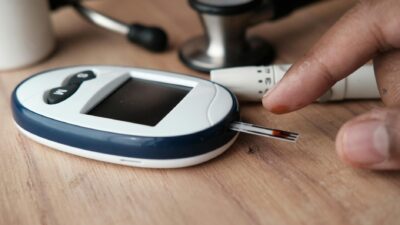
Yes, blood sugar affects blood pressure. Chronic high blood sugar drives insulin resistance, damages kidney filtering units, stiffens blood vessel walls, and alters the autonomic nervous system — all of which raise blood pressure over time. People with diabetes are roughly twice as likely to have high blood pressure as those without. The connection runs both ways: managing glucose tends to improve blood pressure, and vice versa.
Does Blood Sugar Affect Blood Pressure? Yes, Through Four Pathways
Researchers have mapped several mechanisms by which elevated glucose raises blood pressure:
1. Insulin Resistance and Sodium Retention
When cells stop responding well to insulin, the pancreas produces more to compensate. High circulating insulin tells the kidneys to hold onto sodium and water, which increases blood volume and pushes blood pressure up. Insulin resistance also activates the sympathetic nervous system, raising heart rate and peripheral resistance.
2. Kidney Damage (Diabetic Nephropathy)
Years of high glucose damage the delicate filtering capillaries of the kidneys. As the kidneys lose efficiency, they hold more sodium and activate the renin-angiotensin-aldosterone system, a hormonal cascade that constricts blood vessels. This is why people with diabetes complications often have both rising creatinine and rising blood pressure.
3. Blood Vessel Stiffening
Chronic hyperglycemia produces advanced glycation end-products (AGEs) that accumulate in the arterial wall. AGEs make arteries stiffer and less able to expand with each heartbeat, which raises systolic pressure. This process is accelerated in older adults and in people with longstanding diabetes.
4. Autonomic Nervous System Changes
Diabetic autonomic neuropathy affects the nerves that normally regulate heart rate and blood pressure on the fly. People with advanced neuropathy may see unusual blood pressure patterns: standing hypotension, supine hypertension, and blunted responses to exercise.
How Big Is the Effect?
Observational studies estimate that each 1 percent rise in A1C is associated with roughly a 2 to 4 mmHg increase in systolic blood pressure across populations. That sounds small, but those millimeters matter. A 5 mmHg drop in systolic blood pressure reduces cardiovascular events by about 10 percent. For someone with an A1C in the 8 to 9 percent range, bringing glucose back toward 7 often lowers systolic BP by 5 to 10 mmHg on its own.
| Glucose Status | Typical Hypertension Prevalence | Typical BP Pattern |
|---|---|---|
| Normoglycemia | ~30% of U.S. adults | Varies |
| Prediabetes | ~60% | Often pre-hypertensive |
| Type 2 diabetes | ~75% | Hypertensive in most |
According to the American Heart Association, adults with diabetes are about twice as likely to have hypertension as those without. The two conditions amplify each other’s cardiovascular risk.
Does Low Blood Sugar Affect Blood Pressure?
Yes, temporarily. When blood sugar drops, the body releases adrenaline and cortisol to bring glucose back up. That stress response also raises heart rate and blood pressure in the short term. During a hypoglycemic episode, blood pressure may spike by 10 to 20 mmHg before returning to baseline. Recurrent severe hypoglycemia may contribute to longer-term cardiovascular stress, which is part of why clinicians balance tight glucose control against hypoglycemia risk.
What Lowers Both Numbers at Once
The overlap between diabetes and hypertension management is striking. Many interventions help both:
Lifestyle
- Weight loss: each 1 kg of weight loss lowers systolic BP by about 1 mmHg and improves A1C by 0.1 to 0.2 percent.
- Mediterranean or DASH diet: both lower BP by 5 to 11 mmHg and improve insulin sensitivity.
- Aerobic exercise: 150 minutes per week lowers BP 4 to 9 mmHg and improves glucose control.
- Sodium restriction: under 2,300 mg per day (ideally 1,500 mg for most with hypertension).
- Alcohol moderation: under 1 drink per day for women, 2 for men.
Our diet and nutrition hub has specific meal patterns that hit both targets.
Medications
- SGLT2 inhibitors (empagliflozin, dapagliflozin): lower A1C and BP by 3 to 6 mmHg; also protect kidneys and heart.
- GLP-1 receptor agonists (semaglutide, tirzepatide): lower A1C, weight, and BP.
- ACE inhibitors / ARBs: first-line BP drugs in diabetes because they also protect the kidneys.
- Thiazide diuretics: inexpensive, effective BP drugs that pair well with ACE inhibitors.
How to Monitor Both at Home
The Mayo Clinic recommends home blood pressure monitoring for everyone with diabetes. Use a validated upper-arm cuff, take readings in the morning and evening a few days a week, and log numbers in an app or notebook. Pair with fingerstick or CGM glucose readings so your clinician can see the pattern.
Watch for signs that either number is creeping up:
- Persistent home BP above 130/80 mmHg.
- A1C rising more than 0.3 percent between quarterly visits.
- Fasting glucose trending above 130 mg/dL.
- New headaches, vision changes, or swelling in the ankles.
If you are newly diagnosed with prediabetes, ask your clinician about checking blood pressure at every visit and adding a home cuff. Early intervention on both fronts prevents a lot of downstream trouble.
Target Numbers for People With Diabetes
- Blood pressure: under 130/80 mmHg for most adults with diabetes (ADA, AHA).
- A1C: under 7 percent for most non-pregnant adults; individualized for older adults and those with comorbidities.
- LDL cholesterol: under 70 mg/dL for those with established cardiovascular disease; under 100 mg/dL otherwise.
The Bottom Line
Yes, blood sugar affects blood pressure. High glucose raises blood pressure through insulin resistance, kidney damage, blood vessel stiffening, and autonomic nerve changes. Low glucose briefly spikes it through adrenaline. Fortunately, the lifestyle changes and medications that lower glucose also lower blood pressure, so working on one usually improves the other. Monitor both numbers at home and bring the data to your clinician for individualized targets.
Medical disclaimer: This article is educational and is not medical advice. Talk with your healthcare provider about your specific blood pressure, A1C targets, and any medication changes.