Chicken is one of the most commonly recommended proteins for people managing diabetes, and the reasoning is straightforward. A plain piece of cooked chicken contains essentially no carbohydrate, delivers a generous amount of high-quality protein, and is far more affordable than fish or grass-fed beef in most US grocery stores. But the picture changes quickly once chicken arrives breaded, fried, smothered in barbecue glaze, or sliced thin in a deli package. The cut, the cooking method, and the level of processing matter far more than the question of whether chicken belongs in a diabetes diet.
Nutrition Profile
| Preparation (3 oz cooked) | Calories | Protein (g) | Carbs (g) | Saturated Fat (g) | Sodium (mg) |
|---|---|---|---|---|---|
| Skinless breast, grilled | 128 | 26 | 0 | 0.9 | 57 |
| Skin-on breast, roasted | 167 | 25 | 0 | 2.0 | 60 |
| Skinless thigh, baked | 152 | 21 | 0 | 2.6 | 65 |
| Skin-on thigh, roasted | 208 | 21 | 0 | 4.4 | 75 |
| Fried breast (breaded) | 240 | 22 | 9 | 3.0 | 410 |
| Deli chicken slices | 90 | 17 | 2 | 0.5 | 720 |
| Chicken nuggets (fast food) | 250 | 13 | 15 | 2.5 | 520 |
Glycemic Impact
Chicken on its own has a glycemic index that is essentially undefined — there is too little carbohydrate to measure. In mixed meals, chicken behaves like a glucose-blunting partner: the protein triggers an insulin response and slows gastric emptying, which moderates the rise from any carbohydrate eaten with it. Pairing rice with grilled chicken usually produces a lower peak than rice eaten alone. This is also why chicken is a useful base for plates built around vegetables and a modest carbohydrate portion.
Cut and Cooking Method
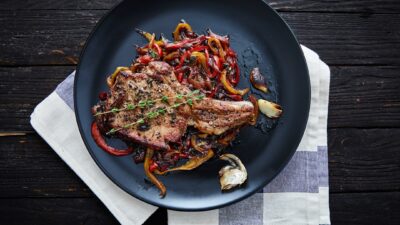
- Grilled, baked, or roasted skinless breast: lowest saturated fat, highest protein density, best fit for tight cardiovascular control.
- Poached or slow-cooked breast: tender result without added oil; useful for meal-prep batches.
- Skinless thigh: more saturated fat than breast but more flavor and moisture; reasonable everyday choice.
- Skin-on roasted: occasional choice rather than daily; remove skin after cooking to keep flavor while cutting saturated fat.
- Air-fried with light coating: keeps a crisp texture; use almond flour or crushed pork rinds instead of wheat flour to stay low-carb.
- Deep-fried, breaded: adds 9 to 25 grams of carbohydrate per serving and 100 to 150 extra calories from oil absorption.
Processed Chicken Pitfalls
- Deli slices: often 600 to 900 milligrams of sodium per 2-ounce serving; sugar may be added for browning.
- Rotisserie chicken: the meat is fine, but the skin and seasoning rub can carry 350 to 500 milligrams of sodium per serving.
- Nuggets and tenders: 15 to 25 grams of carbohydrate from breading, plus high sodium and inflammatory seed oils.
- Chicken sausage: highly variable — check for added sugars, dextrose, and sodium.
- BBQ-glazed wings or thighs: 8 to 15 grams of added sugar per serving from the sauce.
- Honey-mustard or teriyaki marinades: hidden sugars; check the label or make your own.
Portion Guidance for Diabetes
A standard 3-ounce cooked portion is roughly the size of a deck of cards, and most adults with diabetes can comfortably include 4 to 8 ounces of chicken in a daily meal plan. Total daily protein intake of about 0.8 to 1.2 grams per kilogram of body weight is reasonable for most non-renal patients with diabetes, with athletes and older adults often benefiting from the upper end of that range. People with chronic kidney disease should follow individualized protein limits set with their care team, as protein restriction may be appropriate. See our diabetes and protein guide for context on how to balance the macronutrients across a day.
Chicken vs Other Proteins
| Protein (3 oz cooked) | Protein (g) | Saturated Fat (g) | Notes |
|---|---|---|---|
| Skinless chicken breast | 26 | 0.9 | Lowest saturated fat; lean baseline |
| Skinless turkey breast | 25 | 0.6 | Similar profile, slightly leaner |
| Salmon (wild) | 22 | 1.0 | Omega-3 benefit; pricier |
| Lean beef (sirloin) | 26 | 3.0 | Higher iron; more saturated fat |
| Tofu (firm) | 15 | 0.6 | Plant protein; lower per-ounce |
| Eggs (2 large) | 12 | 3.0 | Affordable protein; includes yolk fat |
Who Should Be Careful
- People with chronic kidney disease — total protein load matters more than the source.
- Anyone with familial hypercholesterolemia or recent cardiac events — favor breast over thigh and avoid the skin.
- Those who rely heavily on deli chicken or rotisserie — track sodium across the day.
- People with gout — poultry is moderate-purine; balance with other protein sources.
Practical Patterns That Work
- Batch-bake 2 pounds of skinless breast or thigh on Sunday for the week’s lunches.
- Use shredded chicken over salads, in lettuce wraps, or in low-carb tortillas.
- Replace breading with crushed almonds, parmesan, or pork rinds for a low-carb crust.
- Marinate in olive oil, lemon, garlic, and herbs — flavor without added sugar.
- Build the plate around chicken plus two non-starchy vegetables and a small carbohydrate portion.
The Bottom Line
Chicken is one of the most diabetes-friendly proteins available in mainstream US grocery stores. Skinless breast and thigh provide high-quality protein with essentially no carbohydrate and a modest saturated-fat load. The variables that matter most are cooking method, level of processing, and what gets added — breading, sweet glazes, deli-slice sodium, and fast-food nugget batter are the entries that turn chicken into a glucose-raising or cardiovascular-risk problem. Grilled, baked, poached, or air-fried preparations with herbs and olive oil keep the protein benefit intact. A 4-to-8-ounce daily serving is appropriate for most adults with diabetes, with individualized limits for those with kidney disease. Pair chicken with non-starchy vegetables and a controlled carbohydrate portion, and it functions exactly as a steady, predictable cornerstone of a diabetes-friendly diet.