To control blood sugar, you keep glucose mostly between 70 and 140 mg/dL through a combination of balanced meals, regular movement, quality sleep, and stress management. A1C — the 2-3 month average — should stay under 5.7% for adults without diabetes and under the target your clinician sets if you have prediabetes or diabetes.
What “Controlled” Actually Means
Blood sugar control is more than a single fasting number. Clinicians evaluate three complementary measures:
- A1C — average glucose over 2-3 months, measured in blood.
- Fasting glucose — measured after at least 8 hours without food.
- Post-meal glucose — measured 1-2 hours after eating.
The American Diabetes Association targets for most adults without diabetes are A1C under 5.7%, fasting glucose 70-99 mg/dL, and post-meal glucose under 140 mg/dL. If you have prediabetes, meeting these targets consistently can often reverse your diagnosis over 6-12 months.
Target Ranges at a Glance
| Measure | Normal | Prediabetes | Diabetes |
|---|---|---|---|
| A1C (%) | Under 5.7 | 5.7-6.4 | 6.5 or higher |
| Fasting glucose (mg/dL) | Under 100 | 100-125 | 126 or higher |
| 2-hour OGTT (mg/dL) | Under 140 | 140-199 | 200 or higher |
| Random glucose (mg/dL) | Under 140 typically | Usually normal but may spike | 200 or higher with symptoms |
The Food Foundation
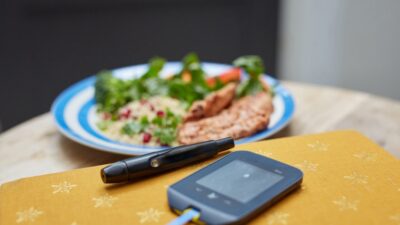
Meal composition is the single biggest lever for most people. A plate that is half non-starchy vegetables, one-quarter lean protein, and one-quarter whole-grain carbohydrate produces flatter glucose curves than a meal dominated by refined grains or sugary drinks.
Useful food swaps:
- White rice → cauliflower rice or brown rice with added legumes.
- Breakfast pastry → Greek yogurt with berries and nuts.
- Soda or juice → water with lemon, unsweetened tea, or sparkling water.
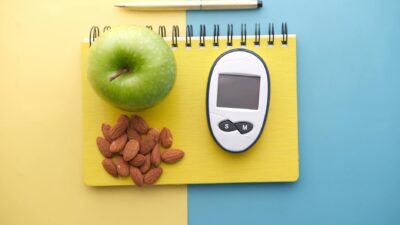
- Chips → raw vegetables with hummus or a small handful of almonds.
- Flavored yogurt → plain Greek yogurt with fresh fruit.
Explore prediabetes-friendly nutrition patterns like Mediterranean, DASH, or low-glycemic approaches, all of which have strong evidence for improving blood sugar.
Food Sequencing
Research shows that the order in which you eat macronutrients affects post-meal glucose spikes. Eating vegetables and protein before carbohydrates can reduce post-meal glucose peaks by 20-30% compared to eating the same meal in reverse order. One practical strategy: begin dinner with a small salad or a few bites of chicken, then eat the starch portion last.
Move Every Day
Physical activity is one of the most powerful tools for controlling blood sugar. Two types matter:
- Aerobic activity — 150 minutes weekly of brisk walking, cycling, swimming, or dancing. Breaks can be short; three 10-minute walks count the same as one 30-minute walk.
- Resistance training — 2-3 sessions per week. Muscle is the largest glucose sink in the body. Even bodyweight squats and push-ups help.
A 10-15 minute walk within 30 minutes after a meal is one of the most evidence-backed interventions. Muscles absorb glucose without needing additional insulin, flattening post-meal spikes.
Sleep and Stress Matter More Than You Think
Short sleep (under 6 hours) and chronic stress both raise insulin resistance and push glucose up. A single night of 4 hours of sleep can increase next-day glucose by 15-25 mg/dL in otherwise healthy adults. Aim for 7-9 hours with a consistent bedtime. For stress, structured approaches — 10 minutes of daily mindfulness, breathing exercises, or regular social connection — have measurable effects on A1C over months.
Weight and Metabolic Health
For adults with overweight or obesity, losing 5-10% of body weight is one of the most effective ways to control blood sugar. The landmark Diabetes Prevention Program trial (published in the New England Journal of Medicine) showed that a 7% weight loss combined with 150 minutes of weekly activity reduced the risk of progressing from prediabetes to type 2 diabetes by 58%. This was more effective than metformin alone.
A Sample Daily Routine
- Morning: 16 oz water on waking. Breakfast with protein + fiber (Greek yogurt + berries + nuts, or eggs + avocado + vegetables).
- Midmorning: 10-minute walk. Coffee without added sugar.
- Lunch: Half-plate vegetables, quarter-plate protein, quarter-plate whole-grain or legume. Start with vegetables.
- Afternoon: 10-minute walk after eating. Snack if needed (apple with peanut butter, string cheese, or handful of nuts).
- Evening: Dinner with similar plate proportions. Walk 10-15 minutes.
- Night: Stop eating 2-3 hours before bed. Aim for 7-9 hours of sleep.
Monitoring Your Progress
Regular monitoring turns effort into feedback. Options include:
- A1C every 3-6 months via lab draw.
- Fasting glucose with a home fingerstick meter or clinic lab.
- Continuous glucose monitoring (CGM) for 10-14 days at a time to see post-meal and overnight patterns.
- Body weight and waist circumference weekly to track physical changes.
Check A1C levels with your clinician at least every six months if you have prediabetes, or every three months if you have diabetes.
Medications and Supplements
For many people, lifestyle is enough to control blood sugar. For others, medications like metformin, GLP-1 receptor agonists (such as semaglutide or tirzepatide), or SGLT2 inhibitors add significant benefit. Supplements with modest evidence include cinnamon, berberine, and chromium, though none replace proven medications or lifestyle. Never start or stop medications without your clinician’s guidance.
When to Call Your Clinician
Certain situations warrant prompt medical attention:
- Fasting glucose consistently above 130 mg/dL despite lifestyle efforts.
- Unexplained weight loss, increased thirst, or frequent urination.
- Random glucose above 250 mg/dL.
- Symptoms of hypoglycemia (shakiness, confusion, sweating) if you take glucose-lowering medications.
The Bottom Line
Controlling blood sugar is about steady, small choices — a vegetable-forward plate, a post-meal walk, a consistent bedtime, and regular monitoring. Results build over weeks and months rather than days. Work with your clinician to personalize your targets, monitoring plan, and any medications. The foundations remain the same whether you are reversing prediabetes or managing diabetes.
Medical disclaimer: This article is for educational purposes only and is not a substitute for professional medical advice, diagnosis, or treatment. Always consult your physician before starting a new diet, exercise routine, or medication regimen.