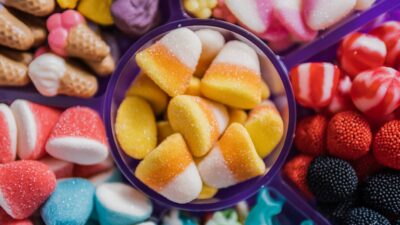
Foods that spike blood sugar are usually refined carbohydrates, sugary drinks, sweets, and some starchy or tropical fruits eaten in large portions. The speed and height of any spike depend on the food’s glycemic index, the portion size (which together give glycemic load), what you eat alongside it, and your own metabolism. Small swaps and thoughtful pairings can flatten the curve even without cutting out favorites entirely.
Why Some Foods Spike Blood Sugar More Than Others
Blood sugar rises any time you eat carbohydrates because the body breaks them down into glucose. The speed of that breakdown depends on how refined the carbohydrate is, how much fiber and fat accompany it, and how much total carbohydrate is in a single sitting. Refined foods like white bread and soda require almost no digestion — the glucose is available within minutes. Whole foods with fiber and protein, such as beans or berries, release glucose more slowly.
Insulin responds to a spike by moving glucose into muscle, liver, and fat cells. In people with insulin resistance or diabetes, insulin cannot keep up, so glucose stays elevated longer. That is why choosing lower-spiking foods matters more in prediabetes than in younger people with fully responsive insulin.
Understanding Glycemic Index and Glycemic Load
The glycemic index (GI) ranks carbohydrate foods on a 0-to-100 scale based on how quickly they raise blood glucose compared with pure glucose. Foods with a GI of 55 or below are considered low, 56 to 69 medium, and 70 or above high. Glycemic load (GL) multiplies GI by the grams of carbohydrate per serving and divides by 100; a GL of 10 or below is low, 11 to 19 medium, and 20 or above high.
GL matters because even a high-GI food in a small portion may cause a modest rise. Watermelon, for example, has a GI around 76 but only about 5 grams of carbohydrate in a small wedge, so its GL can stay in the low range.
Top Culprits at a Glance
| Food category | Examples | Typical GI range | Why it spikes |
|---|---|---|---|
| Sugary drinks | Regular soda, juice, sports drinks | 65 to 90 | Liquid sugar absorbs quickly; no fiber |
| Refined grains | White bread, bagels, white rice, crackers | 70 to 85 | Stripped of bran and germ; fast starch breakdown |
| Breakfast cereals | Cornflakes, puffed rice, sweetened cereals | 75 to 90 | Highly processed; often added sugar |
| Sweets and desserts | Candy, pastries, ice cream | 60 to 80 | Sugar plus refined flour and fat |
| Potatoes | Mashed, baked, french-fried | 70 to 95 | Starchy and easily digested |
| Tropical fruits | Watermelon, ripe banana, pineapple, mango | 55 to 75 | Higher sugar content than berries or apples |
| Low-fiber cold beverages | Iced coffee with syrup, milkshakes | 60 to 80 | Added sugars combined with minimal fiber |
Foods That Raise Glucose Gently
Foods that blunt the spike share a few traits: intact fiber, more protein and fat, and less added sugar. Non-starchy vegetables such as leafy greens, broccoli, cauliflower, peppers, and zucchini barely move blood sugar. Nuts, seeds, eggs, fish, poultry, tofu, and plain Greek yogurt have minimal glycemic impact. Whole fruits like berries, apples, pears, and citrus contribute modest rises. Legumes — beans, lentils, chickpeas — are starchy but rich in fiber and protein, so they spike less than refined grains.
Our diet and nutrition hub explores meal patterns that lean on these foods, and our prediabetes overview offers context for why dietary choices matter more once blood sugar has drifted into the prediabetes range.
Practical Strategies to Flatten the Curve
- Start meals with non-starchy vegetables, then protein, and eat carbohydrates last.
- Pair high-GI foods with protein and fat — think apple with peanut butter rather than apple juice.
- Keep carbohydrate portions moderate; a half cup of cooked grain often has a reasonable glycemic load.
- Walk for 10 to 15 minutes after meals to encourage muscle glucose uptake.
- Choose water, unsweetened tea, or sparkling water instead of sugary drinks.
- Prefer whole fruit over juice and whole grains over refined grains.
Individual Variation
Continuous glucose monitor studies, including the influential PREDICT study, have shown that two people can eat identical meals and have very different glucose responses. Factors include genetics, gut microbiome, sleep, stress, time of day, and the order in which foods are eaten. This is one reason CGM data or occasional fingerstick testing can personalize decisions in ways that GI tables cannot.
People curious about how their own body responds can consult our A1C levels guide to see how cumulative glucose exposure is tracked over months, which may identify whether individual food habits are adding up.
External Resources
Harvard’s School of Public Health maintains a helpful overview at the Nutrition Source. The CDC page on managing blood sugar offers CDC-reviewed practical tips. The peer-reviewed international tables of glycemic index and glycemic load, published by Atkinson and colleagues in Diabetes Care, remain a widely used reference.
The Bottom Line
Foods that spike blood sugar are generally refined grains, sugary drinks, sweets, and starchy or tropical fruits in large portions. Glycemic index describes the speed of the rise, while glycemic load factors in portion size. Pairing carbohydrates with fiber, protein, and fat, keeping portions moderate, and adding a short post-meal walk can all help flatten the curve. Individual responses vary, so your own data — collected with your clinician’s help — can personalize the strategy further.
Medical disclaimer: This article is for educational purposes only and is not a substitute for advice from a qualified healthcare professional. Discuss major dietary changes with your own clinician or a registered dietitian.