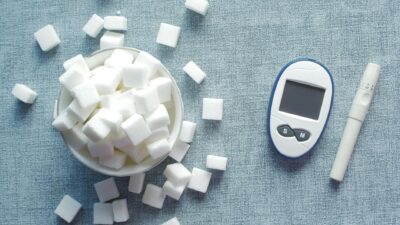
The peanut butter glycemic index is approximately 14 on a 0-100 scale, placing it firmly in the low-GI category. Combined with its high protein and healthy fat content, that means pure peanut butter rarely causes meaningful blood sugar spikes — and it can actually blunt spikes from other foods eaten with it.
What the Glycemic Index Actually Measures
The glycemic index (GI) ranks foods by how quickly their carbohydrates raise blood glucose compared with pure glucose (GI of 100). Foods scoring 55 or below are considered low-GI, 56-69 medium, and 70+ high. Peanut butter’s score near 14 reflects both its minimal carbohydrate content (about 6-7 grams per 2-tablespoon serving, of which 2 grams is fiber) and the buffering effect of its fat and protein.
Glycemic load (GL) is arguably more useful because it accounts for typical serving size. Peanut butter’s glycemic load per serving is roughly 1, well below the threshold of 10 that defines a low-GL food. In practical terms, eating peanut butter on its own produces a barely perceptible glucose response.
Why Peanut Butter Behaves Well in the Body
Two tablespoons of natural peanut butter deliver roughly 8 grams of plant protein, 16 grams of fat (about 75% of which is monounsaturated or polyunsaturated), and 2 grams of fiber. Protein slows gastric emptying. Fat further delays carbohydrate absorption. Fiber adds another layer of delay. The result is a gentle, sustained glucose curve rather than a sharp peak.
The Harvard Nurses’ Health Study tracked over 83,000 women for 16 years and found that regular consumption of peanuts and peanut butter was associated with a 21-27% lower risk of type 2 diabetes. Similar findings appear in Mediterranean diet research.
Peanut Butter vs. Other Spreads
| Spread (2 tbsp) | GI | Carbs | Sugar | Protein | Best for Blood Sugar? |
|---|---|---|---|---|---|
| Natural peanut butter | ~14 | 6g | 1-2g | 8g | Excellent |
| Commercial peanut butter (Jif/Skippy) | ~14-20 | 7-8g | 3g | 7g | Good, but check labels |
| Almond butter | ~20 | 6g | 1g | 7g | Excellent |
| Nutella / chocolate hazelnut | ~33 | 22g | 21g | 2g | Poor |
| Jam or jelly | ~51 | 26g | 24g | 0g | Poor |
| Honey | ~55 | 34g | 34g | 0g | Poor |
| Butter | 0 | 0g | 0g | 0g | Zero-carb, high sat fat |
Reading the Peanut Butter Label
Not all jars are equal. Ingredient lists should show peanuts and optionally salt. Watch for dextrose, high-fructose corn syrup, molasses, maltodextrin, and hydrogenated oils. Powdered peanut butter removes most of the fat, which seems helpful for calorie control but also removes some of the fat-driven glycemic blunting. It can work in smoothies but is not necessarily better for glucose control.
People following a prediabetes diet should prioritize unsweetened natural peanut butter. Brands with added sugar typically contribute 3-5 grams of added sugar per serving — small amounts, but they add up across the day.
Smart Ways to Use Peanut Butter
Peanut butter shines as a pairing food. Spread it on apple slices, celery, or whole-grain toast to slow carbohydrate absorption. Stir it into oatmeal for added protein and satiety. Blend it into smoothies with berries and unsweetened almond milk. Use it in savory dishes — peanut sauces for vegetables, Thai-inspired stir fries, and African peanut stews — where its protein and fat help create balanced meals.
For snacks, pair two tablespoons with a low-GI fruit like a small apple or a handful of berries. This combination typically produces a minimal post-meal rise in people with stable A1C levels.
When to Be Cautious
Peanut butter is calorie-dense at about 190 calories per 2-tablespoon serving. If weight loss is your priority for reversing prediabetes, measure portions rather than free-pouring. People with peanut allergies should obviously avoid it and can consider almond or sunflower seed butter, which have similar glycemic profiles. People with kidney disease may need to moderate intake because peanuts contain phosphorus and potassium.
Understanding Glycemic Load Versus Glycemic Index
Glycemic index and glycemic load tell slightly different stories. GI reflects how quickly 50 grams of available carbohydrate from a food raises glucose. For peanut butter, getting 50 grams of carbohydrate would require eating more than a full jar, which is not realistic. Glycemic load accounts for typical serving sizes and therefore better represents real-world impact. Peanut butter’s glycemic load of about 1 per 2-tablespoon serving is minimal.
This distinction explains why carrots, despite a moderate GI, have a low GL — you rarely eat enough to matter — and why watermelon, despite a high GI, has a modest GL because the serving size contains relatively little carbohydrate. For practical diet planning, glycemic load is usually the more useful metric.
Beyond Blood Sugar: Other Health Effects
Peanut butter offers cardiometabolic benefits beyond glucose. Its monounsaturated fats improve lipid profiles, and the PREDIMED trial showed that adding nuts to a Mediterranean diet reduced cardiovascular events by about 28%. Peanuts contain resveratrol, niacin, folate, and magnesium. Magnesium in particular is associated with improved insulin sensitivity in multiple large cohort studies.
Aflatoxin — a mold-produced toxin — is a legitimate concern for peanut products, though commercial peanut butter in the United States is regulated with strict limits. Buying from established brands rather than bulk bins provides additional assurance.
The Bottom Line
Peanut butter’s low glycemic index of roughly 14, combined with its protein and fat, makes it one of the more blood-sugar-friendly spreads available. Pick natural varieties, respect portion sizes, and use it strategically to flatten the glycemic response of other foods. For most people with prediabetes, a daily serving fits comfortably into a balanced pattern.