Foods that don’t spike blood sugar share three traits: they are low in quickly digested carbohydrates, rich in fiber or protein, and often high in water content. Non-starchy vegetables, lean proteins, legumes, nuts, seeds, berries, and unsweetened dairy form the backbone of a meal plan that keeps glucose steady. This guide organizes those foods by category and explains how to combine them for the smoothest curves.
Why Some Foods Spike Glucose and Others Do Not
Carbohydrates break down into glucose, so foods heavy in refined carbohydrates (white bread, sugar-sweetened drinks, pastries) flood the bloodstream quickly. Fiber, protein, and fat slow digestion, which flattens the peak. The glycemic index (GI) ranks carbohydrate foods on how sharply they raise blood sugar. Low-GI foods (55 or below) produce smaller rises; high-GI foods (70 or above) produce bigger ones. For reference, see the A1C levels guide, which explains how day-to-day glucose becomes a longer-term average.
The Main Categories of Stable Foods
A practical way to think about this is by food group. Each group below contributes something specific to glucose control.
Non-Starchy Vegetables
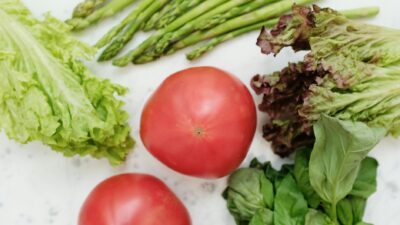
Leafy greens, broccoli, cauliflower, Brussels sprouts, zucchini, bell peppers, asparagus, green beans, mushrooms, cucumbers, and tomatoes all produce minimal glucose rises. They are high in fiber and water, low in digestible carbohydrates, and calorie-light. Aim to fill roughly half of your plate at lunch and dinner.
Lean Proteins
Chicken, turkey, fish, shellfish, eggs, tofu, tempeh, and Greek yogurt have essentially no effect on glucose on their own. They support satiety and slow the absorption of any carbohydrates eaten with them. Plain protein does not equal permission to pile on refined carbs, but pairing the two is a powerful strategy.
Legumes
Beans, lentils, and chickpeas are carbohydrate sources, but their combination of fiber, resistant starch, and protein produces a much smaller glucose rise than grains of the same size. The Harvard Chan School’s glycemic index tables consistently rank legumes in the low-GI range.
Nuts and Seeds
Almonds, walnuts, pistachios, pecans, chia seeds, flax seeds, and hemp seeds have a minimal direct effect on blood sugar and blunt the spikes of foods eaten with them. A small handful (about one ounce) is a typical portion.
Healthy Fats
Avocado, olive oil, nut butters, and fatty fish do not raise glucose directly and slow gastric emptying. They replace refined carbohydrate calories with slower-acting energy.
Whole, Intact Grains
Steel-cut oats, barley, quinoa, farro, and intact wheat berries produce smaller rises than rolled oats, instant oatmeal, white rice, or white bread. The more “whole” the grain, the slower the digestion.
Berries and Select Fruits
Strawberries, raspberries, blackberries, and blueberries are the lowest-GI fruits. Apples, pears, cherries, oranges, and kiwi are also in the low-to-moderate range. Limit juices and dried fruit, which concentrate sugar and raise glucose faster.
Unsweetened Dairy
Plain Greek yogurt, cottage cheese, kefir, and hard cheeses contain some natural lactose but also protein and fat that moderate the glucose rise. Choose unsweetened versions.
Glycemic Index at a Glance
| Food | Approx GI | Category |
|---|---|---|
| Non-starchy vegetables | 0-15 | Very low |
| Lentils, cooked | ~32 | Low |
| Chickpeas | ~28 | Low |
| Plain Greek yogurt | ~11 | Low |
| Apple | ~36 | Low |
| Strawberries | ~40 | Low |
| Steel-cut oats | ~55 | Low-moderate |
| Quinoa | ~53 | Low-moderate |
| White rice | ~73 | High |
| White bread | ~75 | High |
Meal-Building Principles
- Fill half the plate with non-starchy vegetables.
- Add a palm-sized portion of lean protein.
- Include a small portion of intact whole grain or legume if you want starch.
- Add a thumb of healthy fat such as olive oil, avocado, or nuts.
- Finish with water, unsweetened tea, or coffee rather than juice or soda.
For a deeper framework, see our diet and nutrition hub.
The Eating-Order Trick
A 2015 Diabetes Care study by Shukla and colleagues showed that eating vegetables and protein first, followed by carbohydrates, reduced the post-meal glucose peak by about 29 percent compared with the opposite order. The finding has since been replicated across different cuisines. You do not need to change what you eat; eat vegetables and protein first, then move to starch.
Foods That Usually Cause Big Spikes
- Sugar-sweetened beverages: regular soda, sweet tea, sports drinks, juice.
- Refined baked goods: white bread, bagels, pastries, croissants.
- Breakfast cereals made of puffed or flaked grains with added sugar.
- White rice, rice cakes, instant mashed potatoes.
- Candy, many granola bars, and sweetened yogurts.
- Dried fruit and fruit juice, which lack the fiber of whole fruit.
Individual Variation
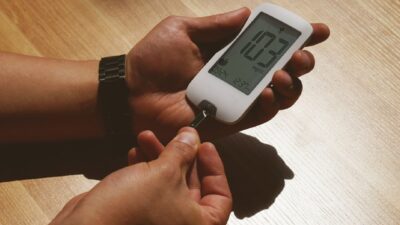
Personal glucose responses differ. A famous 2015 study in Cell by Zeevi and colleagues showed that two people eating the same banana or slice of bread can have very different glucose responses. Genetics, sleep, stress, and gut microbiome all play roles. If you have a CGM or a fingerstick meter, test your own responses over two to four weeks to refine which “safe” foods are actually safe for you.
How This Fits a Prediabetes Plan
Consistently choosing foods that keep glucose steady is one of the most effective long-term levers for lowering A1C. Combined with regular physical activity, adequate sleep, and weight management, a low-spike eating pattern often moves A1C from the prediabetes range back toward normal. See our overview of reversing prediabetes for the broader strategy.
The Bottom Line
The foods that keep blood sugar steady are simple to name and widely available: vegetables, legumes, lean protein, nuts, seeds, berries, healthy fats, and intact whole grains. The trick is building meals around them, pairing any carbohydrates with protein, fiber, or fat, and eating vegetables first. Pay attention to your personal responses, because no two bodies react identically, and bring any borderline A1C results to your clinician to plan the next step.
This article is for educational purposes only and does not replace individualized nutrition or medical advice. Talk with a dietitian or clinician before making significant dietary changes, especially if you take glucose-lowering medication.