Yes, coffee affects blood sugar, but the direction depends on timing, dose, and what you add to it. Caffeine can briefly raise glucose by triggering cortisol and adrenaline, while long-term coffee intake is linked to lower type 2 diabetes risk. The biggest spikes usually come from syrups and creamers, not the coffee itself.
The Short-Term Caffeine and Cortisol Story
Caffeine blocks adenosine receptors, which in turn increases the release of stress hormones. The adrenal glands secrete cortisol and adrenaline (epinephrine), both of which stimulate the liver to break down glycogen and release glucose into the bloodstream. The result is a modest, usually transient glucose rise that starts within about 30 minutes of your first sip.
For people without diabetes, the pancreas responds by secreting insulin to clear that extra glucose. In people with prediabetes or type 2 diabetes, the same caffeine load can push glucose higher and keep it elevated longer because the insulin response is blunted. Individual sensitivity varies widely.
Coffee, Cortisol, and the Dawn Phenomenon
Morning coffee lands on top of a physiological cortisol peak known as the cortisol awakening response. Layering caffeine on this already-elevated cortisol tends to amplify hepatic glucose release and is part of why many home testers see higher post-coffee fasting numbers. If you track fasting glucose, take the reading before your first cup for a cleaner baseline.
Comparing Typical Coffee Drinks
The add-ins frequently do more to blood sugar than the coffee itself. This table illustrates approximate carbohydrate and caffeine loads across common orders. Actual values vary by brand and serving size.
| Drink (12 oz) | Approx. Carbs (g) | Approx. Caffeine (mg) | Glucose Impact |
|---|---|---|---|
| Black drip coffee | 0-1 | 140-180 | Small caffeine-driven rise |
| Black decaf coffee | 0-1 | 2-8 | Minimal |
| Coffee with 2 Tbsp half-and-half | 1-2 | 140-180 | Small caffeine-driven rise |
| Coffee with 2 Tbsp flavored creamer | 10-12 | 140-180 | Moderate rise from added sugar |
| Latte with whole milk | 15-18 | 150 | Moderate rise from lactose |
| Mocha or caramel macchiato | 30-45 | 150 | Large post-meal-style spike |
| Bulletproof-style with butter/MCT | 0-1 | 140-180 | Caffeine rise, no carb spike |
Long-Term Observational Evidence
Despite the short-term caffeine bump, habitual coffee consumption is consistently linked to lower type 2 diabetes risk. A 2014 meta-analysis in Diabetes Care pooled 28 prospective studies covering more than 1.1 million participants and reported about a 25 percent lower risk of type 2 diabetes in those who drank four to six cups daily versus none. The Harvard Nutrition Source summarizes the same pattern, attributing the effect to polyphenols such as chlorogenic acid, magnesium, and trigonelline, all of which may improve insulin sensitivity.
Decaf Versus Regular for Blood Sugar
Decaf coffee retains most of the polyphenol and mineral content of regular coffee while removing the caffeine-driven cortisol effect. For people who see clear glucose bumps after caffeinated cups, decaf is a reasonable way to keep the possible protective compounds without the short-term rise. Some research suggests decaf may actually show a slightly stronger long-term risk reduction than caffeinated coffee in certain populations.
Where Add-Ins Go Wrong
Sweetened creamers, flavored syrups, and sugar cubes routinely add 10 to 30 grams of carbohydrate per drink. That load will spike glucose faster and higher than anything caffeine does on its own. For blood sugar management, the practical order is: black coffee, then coffee with milk or cream, then sweetened drinks sparingly. See our diet and nutrition hub for add-in swaps.
Practical Rules for Coffee and Glucose
- Test glucose before your first cup for a clean fasting reading
- Cap sweeteners at zero-calorie alternatives if you are carb sensitive
- Pair caffeinated drinks with protein or fiber to blunt any rise
- Switch afternoon cups to decaf to protect sleep, which directly affects insulin sensitivity
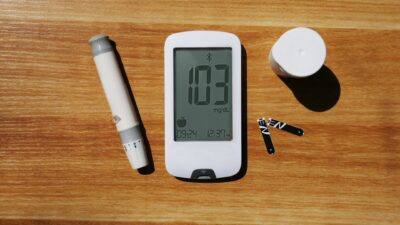
- Log how your own meter responds to your usual order; personal response varies
When Coffee Is Not a Good Fit
People with uncontrolled hypertension, certain arrhythmias, anxiety disorders, or on interacting medications may need to limit caffeine regardless of glucose effects. If you are tracking prediabetes and on medication, review coffee choices with your clinician and visit our treatment guide for medication interactions. Pregnant patients should cap caffeine at 200 mg per day per obstetric guidance.
The Bottom Line
Coffee causes a small, short-term rise in blood sugar through caffeine and cortisol, but long-term drinkers show lower type 2 diabetes risk in large observational studies. The practical takeaway is to keep the coffee and lose the syrup, test on your own meter to see your personal response, and discuss caffeine intake with your clinician if you are on glucose-lowering medications. This article is educational and is not medical advice.