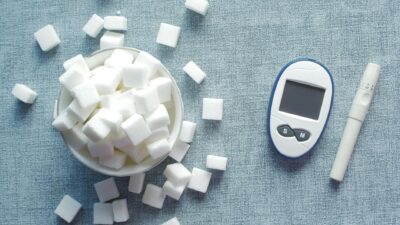
The most effective natural way to lower blood sugar is not one food or supplement but a stack of small, proven habits: walking after meals, eating more fiber, sleeping seven to eight hours, managing stress, and losing modest amounts of weight if overweight. Each produces a measurable effect, and together they can delay or prevent type 2 diabetes.
Move After You Eat
Post-meal walking is the single most impactful free intervention. Research published in Sports Medicine (2022) found that just two to five minutes of light walking after a meal significantly blunts the glucose spike, and 10 to 15 minutes produces a 12-22% reduction compared with sitting. The mechanism is straightforward: contracting muscles pull glucose out of the bloodstream using non-insulin-dependent pathways.
You do not need a gym. A walk around the block, pacing while on a phone call, or light household activity all qualify. People who cannot walk can get similar benefit from seated calf raises and leg extensions. Aim to move within 30 minutes of finishing a meal, when glucose is rising most rapidly.
Fix the Fiber Gap
Americans average 15 grams of fiber per day against a recommended 25-38 grams. Soluble fiber — the kind found in oats, beans, apples, pears, flax, psyllium, and avocados — forms a gel in the gut that slows carbohydrate absorption. This flattens the post-meal curve and feeds gut bacteria that produce short-chain fatty acids linked to improved insulin sensitivity.
Practical ways to add fiber include starting the day with steel-cut oats, adding a cup of beans to lunch salads, swapping white rice for barley or lentils, and eating fruit with the skin on. Review our prediabetes diet guide for specific meal structures.
Evidence-Based Natural Strategies Compared
| Strategy | Typical Glucose Effect | Time to Effect | Evidence Quality |
|---|---|---|---|
| Post-meal walking (10-15 min) | -12 to -22% spike | 30-60 minutes | Strong RCT data |
| 5-7% weight loss | -15 to -30 mg/dL fasting | 2-6 months | DPP trial gold standard |
| +15g soluble fiber/day | -10 to -20 mg/dL fasting | 1-4 weeks | Multiple meta-analyses |
| Apple cider vinegar (1-2 tbsp) | -20 to -30% post-meal | Immediate | Small RCTs, consistent |
| Ceylon cinnamon (1-3g) | -10 to -30 mg/dL fasting | Weeks | Mixed meta-analyses |
| 7-8 hours sleep | Variable | Days | Observational, strong |
| Stress reduction | Variable | Weeks | Observational |
Sleep and Stress Are Hidden Levers
Cortisol — the stress hormone — triggers glucose release from the liver. Chronic stress and insufficient sleep keep cortisol elevated, raising fasting glucose even when diet and exercise are dialed in. Studies consistently show that sleeping fewer than six hours a night is associated with a 28% higher risk of incident diabetes. Meditation, slow breathing, and cognitive behavioral therapy for insomnia have all been shown to improve glucose metrics.
According to the CDC, structured lifestyle programs cut diabetes risk by 58% in people with prediabetes — more than metformin achieved in head-to-head comparison.
Smaller Supporting Habits
Drink water before meals to reduce portion size. Add a tablespoon of apple cider vinegar in water before carbohydrate-heavy meals; multiple small trials show 20-30% reductions in post-meal spikes. Add cinnamon, berries, nuts, and olive oil to the mix — each contributes small improvements. None replace exercise or weight management, but together they nudge A1C levels in the right direction.
When Natural Alone Isn’t Enough
Natural strategies work best for prediabetes and early type 2 diabetes. If your A1C is above 7% or you have symptoms like excessive thirst, unexplained weight loss, or recurrent infections, medications may be necessary while lifestyle changes take hold. Never stop prescribed medication without your clinician’s input, and monitor glucose closely if you change your routine significantly.
Food Choices That Make the Biggest Difference
Within the broader fiber and carbohydrate framework, certain swaps produce outsized effects. Replacing refined grains with intact whole grains like steel-cut oats, quinoa, barley, and farro can drop post-meal glucose by 15-30%. Choosing beans or lentils in place of white rice once daily lowers daily glucose exposure substantially. Adding a green, leafy salad before meals reduces post-meal peaks by roughly 10-15% thanks to the fiber and water content.
Berries, citrus fruits, and apples rank low on the glycemic index and deliver polyphenols linked to improved insulin sensitivity. Nuts and seeds — almonds, walnuts, chia, flax — add fiber, healthy fats, and magnesium, a mineral specifically associated with better glucose regulation in observational studies. Replacing sugary beverages with water, unsweetened tea, or sparkling water is perhaps the single largest dietary lever for many people; one 16-ounce sweetened soda contributes about 50 grams of added sugar.
How to Track Progress
Meaningful change is hard to sustain without feedback. Fasting morning glucose, weekly weigh-ins, and quarterly A1C tests each provide a different signal. Continuous glucose monitors — now available over the counter — let you see in real time how specific meals and workouts affect your readings. This real-time data is often more motivating than monthly lab visits and can help you identify personal triggers that differ from population averages.
The Bottom Line
There is no single natural miracle for blood sugar, but the combination of post-meal movement, more fiber, adequate sleep, stress control, and modest weight loss rivals the effect of first-line medications for many people with prediabetes. Start with one habit, make it automatic, then layer the next. The compounding effect over months is what produces durable change.