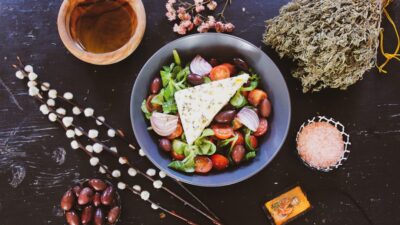
A Filipino diet for diabetes can work very well when meals are built around the traditional pillars of Filipino cooking — broth-based soups, grilled and steamed fish, ceviche-style kinilaw, vegetable dishes, and a controlled portion of rice. Filipino Americans face the highest diabetes prevalence among Asian-American subgroups, so culturally faithful guidance is especially important. The pitfalls are mostly large white rice portions, lechon (roast pork), pancit, and sweet desserts. Small swaps — half-portion rice, more vegetables, broth-based proteins — keep meals authentic while protecting blood sugar.
Why Filipino Cuisine Matters for Diabetes
Filipino Americans have the highest type 2 diabetes prevalence of any Asian-American subgroup — roughly 16 to 18 percent compared with about 9 percent in non-Hispanic white adults. Contributors include earlier insulin resistance at lower body mass index, a starch- and sugar-heavy modern diet, rice-centered meals, traditional cooking that emphasizes fried and braised pork, and genetic susceptibility. The American Diabetes Association recommends Asian Americans screen for diabetes starting at a BMI of 23 rather than 25. Traditional Filipino cooking — before modern portion creep and Westernized fast food — actually includes many fish-, vegetable-, and broth-based dishes that align with diabetes-friendly eating.
Diabetes-Friendly Filipino Staples
- Sinigang (sour soup): tamarind broth with fish, shrimp, or pork, vegetables (radish, eggplant, okra, kangkong, tomato) — low-glycemic and vegetable-heavy.
- Tinola (ginger chicken soup): chicken, ginger, chayote (sayote) or green papaya, moringa leaves (malunggay) — broth-based and warming.
- Nilagang baka (boiled beef soup): beef shank, cabbage, potato (small portion), onion, peppercorns.
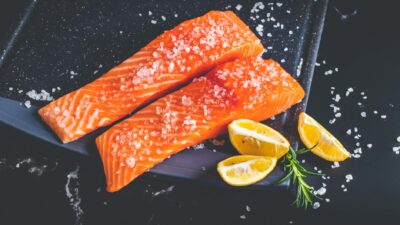
- Inihaw na isda (grilled fish): tilapia, milkfish (bangus), salmon — zero carbs, high protein, omega-3.
- Kinilaw (ceviche): raw fish “cooked” in vinegar and calamansi with ginger, chili, onion — low-glycemic and protein-rich.
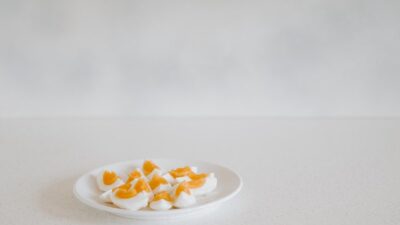
- Ginisang ampalaya (sauteed bitter melon with egg): bitter melon (ampalaya) traditionally used for blood sugar, paired with egg.
- Pinakbet (mixed vegetables): bitter melon, eggplant, okra, squash, long beans, with small amount of pork or shrimp paste.
- Chicken or pork adobo (skin off, leaner cuts): braised in vinegar and soy — zero added sugar in traditional recipes.
- Munggo (mung bean stew): mung beans with vegetables and a small amount of pork — high fiber, plant protein.
- Calamansi water: small Filipino citrus, slightly sweetened with stevia for a zero-sugar drink.
Foods to Limit or Modify
| Food / Dish | Why Limit | Better Swap |
|---|---|---|
| Large white rice serving (2 cups) | ~90 g carbs, GI ~73 | 1/2 cup brown rice or cauliflower rice |
| Lechon (roast pork) | High saturated fat, often with sugary sauce | Small portion of skinless lean pork |
| Lechon kawali (deep-fried pork belly) | Fat-heavy and crispy from frying | Grilled or roasted pork tenderloin |
| Pancit (large noodle dish) | 50-70 g carbs per cup of noodles | Small side portion, double the vegetables |
| Spaghetti Filipino-style | Sweet banana ketchup sauce, ~50 g carbs/cup | Skip or use low-carb noodles, unsweetened sauce |
| Halo-halo (shaved ice dessert) | ~80 g sugar with sweet beans, ube, leche flan | Small share-size; fresh fruit alternative |
| Leche flan | ~35 g sugar per slice | Sugar-free flan with monk fruit, small portion |
| Ube ice cream / ube halaya | 30-50 g sugar per cup/scoop | Plain Greek yogurt with cinnamon, small berry portion |
| Champorado (chocolate rice porridge) | Glutinous rice + sugar, ~60 g carbs | Skip as main; small taste with breakfast eggs |
| Banana ketchup | Sugar-based condiment | Tomato salsa or low-sugar hot sauce |
| Bibingka and puto (rice cakes) | Glutinous rice flour, sweetened | Small festival-size, not weekly |
| Sweetened iced tea (sago’t gulaman) | 30-50 g sugar per glass | Unsweetened iced tea or calamansi water |
Glycemic Impact of Common Filipino Dishes
| Dish (typical serving) | Carbs (g) | GI (approx.) | Diabetes Rating |
|---|---|---|---|
| Sinigang na hipon (1 bowl) | 10-15 | Low | Excellent |
| Tinolang manok (1 bowl) | 10-15 | Low | Excellent |
| Inihaw na tilapia (1 fillet) | 0 | — | Excellent |
| Kinilaw (1 cup) | 8-10 | Low | Excellent |
| Ginisang ampalaya (1 cup) | 8-10 | Low | Excellent |
| Pinakbet (1 cup) | 15-20 | Low-moderate | Good |
| Chicken adobo (4 oz, skinless) | 3-5 | Low | Excellent |
| Munggo (1 cup) | 30-35 | Low (~30) | Good (high fiber) |
| White rice (1 cup) | 45 | ~73 | Limit portion |
| Pancit canton (1 cup) | 50-60 | Moderate | Limit |
| Lechon (4 oz) | 0-3 | — | Limit (saturated fat) |
| Halo-halo (1 glass) | 80-100 | High | Avoid |
| Leche flan (1 slice) | 30-40 | High | Avoid |
The Rice Question
Rice (kanin) is foundational to Filipino meals and is often served in 1.5- to 2-cup portions. You do not have to eliminate it — but portion changes have the largest single impact on blood sugar. The math:
- Typical Filipino rice serving (1.5 cups): ~67 g carbs, GI ~73
- 1/2 cup white rice: ~22 g carbs
- 1/2 cup brown rice: ~22 g carbs, slightly lower GI (~50), more fiber
- 1/2 cup red rice or black rice: ~22 g carbs, lower GI, anthocyanins
- Cauliflower rice (1 cup): 3 to 5 g carbs
- Shirataki (konjac) rice: 1 to 3 g carbs per cup
For a viand-heavy meal (large fish, vegetable side, broth soup), skipping rice entirely or using cauliflower rice is a powerful option. For carb-pairing meals (sinigang with rice), half a cup of brown rice with the broth is a balanced choice.
Sample 1-Day Filipino Meal Plan
- Breakfast: Tortang talong (Filipino eggplant omelet) with 2 eggs, sliced tomato, 1/2 cup brown rice (or skip), unsweetened coffee. Carbs ~25 g.
- Lunch: Sinigang na hipon (shrimp in sour broth) with kangkong (water spinach), 4 oz inihaw na tilapia (grilled tilapia) with calamansi and soy on the side, 1/2 cup brown rice, small ginisang ampalaya (bitter melon with egg). Carbs ~30 g.
- Snack: Small Filipino mango cheek (1/2 mango), small handful of cashews. Carbs ~15 g.
- Dinner: Tinolang manok (chicken with ginger and chayote), pinakbet (mixed vegetables with bitter melon, eggplant, okra), 1/2 cup brown rice, calamansi water with stevia. Carbs ~35 g.
- Optional dessert: 1/2 cup sliced papaya with a sprinkle of cinnamon. Carbs ~10 g.
Total: roughly 115 g carbs, well within typical moderate-carb targets for many adults with type 2 diabetes.
Family Meal Strategies
Filipino family meals are central to culture — Sunday lunches, fiestas, and birthday celebrations often feature lechon, pancit, spaghetti, and trays of rice. Refusing to participate is rarely realistic, but small choices add up:
- Take a half-cup of rice (or cauliflower rice mixed in) rather than the typical large scoop
- Fill half the plate with vegetable viand and meat or fish, half with rice and pancit combined
- Eat the protein and vegetables first, rice last — this blunts glucose response
- Skip seconds of rice and noodles; ask for another piece of fish or chicken instead
- Take a small taste of leche flan or halo-halo to share, rather than a full portion
- Walk after the meal — even a 10-minute family stroll lowers post-meal glucose
- Drink water or unsweetened iced tea — skip the soda and sweet juice
Cooking at Home
- Switch the household rice to brown, red, or 50/50 white-brown blend for daily meals
- Make sinigang or tinola weekly as the family broth soup — vegetable- and protein-forward
- Grill or bake fish instead of frying — tilapia, bangus, salmon, mackerel
- Cook adobo with skinless chicken thigh or pork tenderloin; skip the sugar in the marinade
- Build vegetable viands — pinakbet, ginisang munggo, laing — as half the table
- Use stevia or monk fruit in calamansi water, leche flan, and other sweet preparations
- Stock low-sodium soy and patis (fish sauce) and dilute traditional condiments
Cultural Sensitivity
Telling a Filipino family to abandon rice, lechon, or halo-halo is rarely realistic — and the underlying cuisine has many naturally diabetes-friendly options. The friendlier approach is preparation: smaller rice portions across the household, more vegetable and fish viands, water or calamansi water as the default drink, and reserving lechon, pancit, and sweet desserts for fiestas rather than daily meals. Family meals can still anchor identity and connection while protecting metabolic health — and walking together after meals is a low-cost intervention that genuinely lowers post-meal glucose for everyone.
Related Reading
See our broader guides on diet and nutrition, the Asian diet for diabetes, the Chinese diet for diabetes, and the whether prediabetes is reversible.
The Bottom Line
A Filipino diet for diabetes is workable and culturally faithful when meals are anchored on broth-based soups (sinigang, tinola), grilled fish, kinilaw, and vegetable viands like pinakbet and ginisang ampalaya. Limit very large white rice portions, lechon, pancit, sweet desserts (halo-halo, leche flan, ube), and Filipino-style sweet spaghetti. The single biggest lever is rice portion: a half-cup of brown rice instead of a 2-cup white-rice serving cuts roughly 65 grams of carbs per meal. Filipino Americans face the highest type 2 diabetes prevalence among Asian-American subgroups and should screen starting at a BMI of 23.